
Invasion of Astro-Monster
1965
No user ratings available yet
Diversity score: 3.3 out of 10

1959
ApprovedDirector
Ishirō Honda
Runtime
90 minutes
Average Rating
No ratings yetSynopsis
In 1965, the space station JSS-3 is destroyed by a fleet of UFOs, which then begin a global siege on Earth, using rays to manipulate gravity and control the minds of men. In response, a global council meeting is held to determine the source of the attacks and prepare a rocket ship armada for a counter-attack, a true battle in outer space. . . The film is a sequel of sorts to Toho's THE MYSTERIANS in the reprise of the Etsuko Shiraishi character of that film as its heroine. It was edited to 74 minutes for its American release.
Overall Score
Limited
Category Breakdown
LGBTQ+ Representation
The film contains no visible or implied LGBTQ+ characters. The social landscape remains strictly conventional, adhering to the heteronormative frameworks of the late 1950s.
Gender Representation
Narrative agency is concentrated among male military and scientific leads. While Etsuko Shiraishi is a central figure, she functions primarily as a supporting character rather than a tactical leader.
Racial & Ethnic Diversity
A global council framework suggests internationalism, but the cast remains largely homogeneous. The film prioritizes a collective human identity over nuanced or intersectional ethnic depictions.
Religious & Cultural Diversity
The story celebrates organized, hierarchical systems and military discipline. It lacks engagement with moral relativism or critiques of established institutions, focusing instead on global stability.
Disability Representation
There are no depictions of physical, neurodivergent, or mental health-related disabilities. Characters are presented exclusively as able-bodied members of a specialized elite.
Strengths
Areas for Improvement
AI Analysis
Battle in Outer Space functions as a study of institutional competence and military discipline. It utilizes a global siege trope to explore internationalism, yet remains firmly rooted in the traditional social hierarchies of its era. The film prioritizes a centralized, high-tech response to existential threats over the exploration of individual identity. This focus on command structures and established authority results in a narrative that reinforces mid-century social norms rather than challenging them. Ultimately, the 'United Earth' concept serves as a trope for cooperation rather than a vehicle for social deconstruction. The lack of agency for marginalized identities reflects a conservative storytelling model.
1965
1968
1963

1957
1978
2011
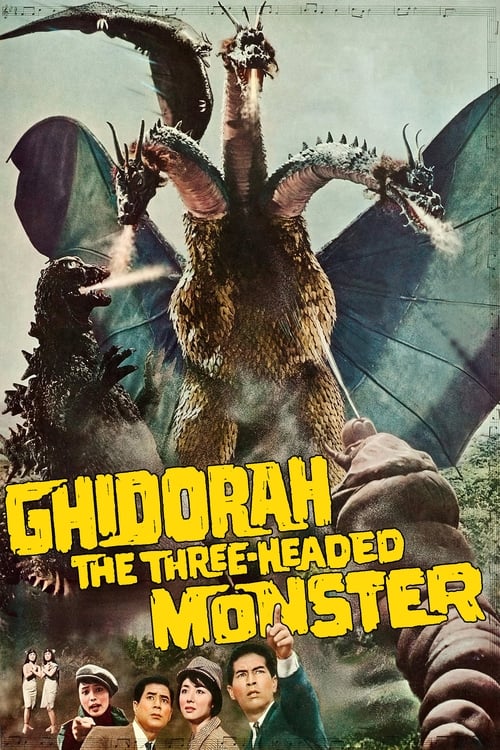
1964

1940

2013
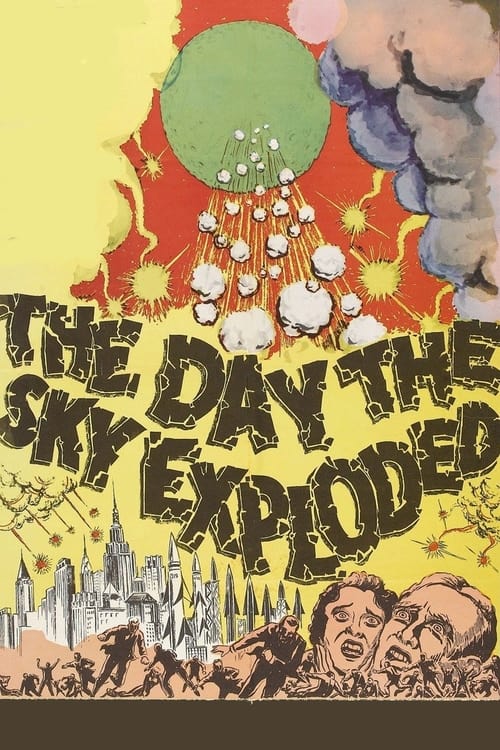
1958
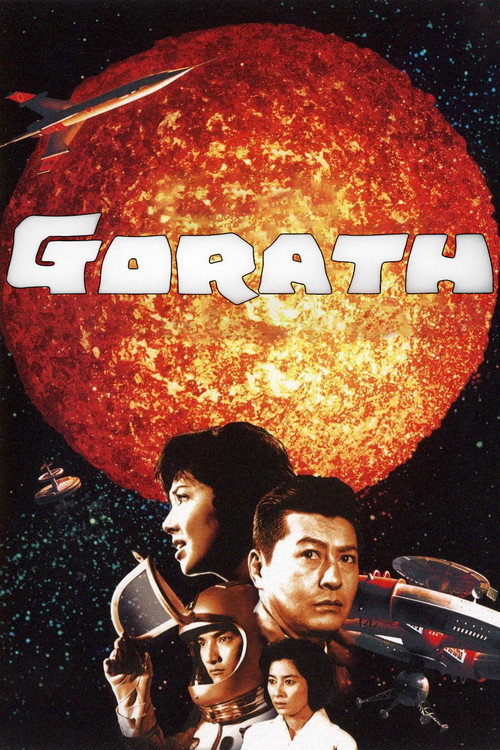
1962

1990
No reviews yet. Be the first to share your thoughts on this movie!
Use the rating form above to leave a star rating and optional review.