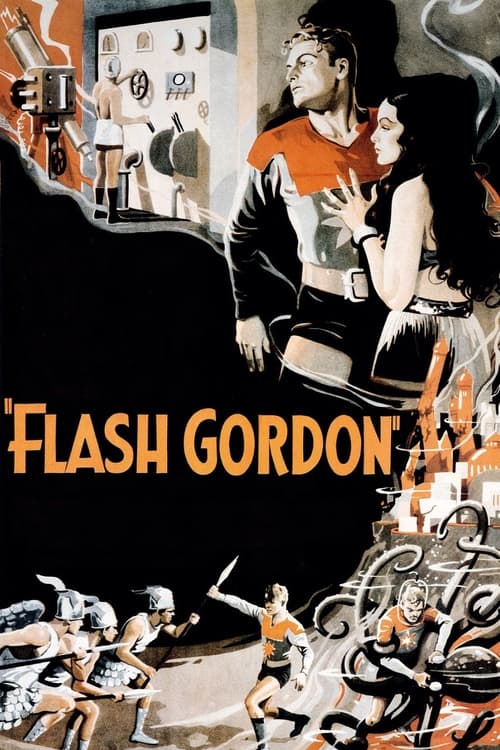
Flash Gordon
1936
No user ratings available yet
Representation score: 0.4 out of 10
Representation Score
Minimal
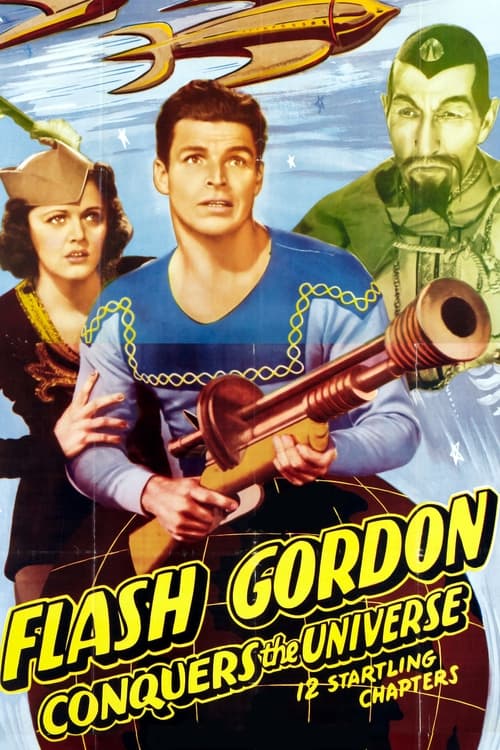
1940
NRDirector
Ford Beebe, Ray Taylor
Runtime
195 minutes
Average Rating
No ratings yetNew Showbiz Analysis
This 1940 serial is a quintessential product of its era, prioritizing episodic excitement over social complexity. It relies heavily on established pulp archetypes that reinforce existing social hierarchies rather than challenging them. The narrative structure centers on traditional binaries of heroism and villainy. By emphasizing masculine leadership and Western-centric adventure clichés, the film maintains a narrow perspective on identity and authority. Ultimately, the production reflects the industrial standards of the 1940s studio system. It offers little in the way of diverse representation or subversion of the period's conventional casting and character norms.
Category Breakdown
The film does not include any LGBTQ+ characters. The romantic subplot focuses solely on the traditional relationship between the hero and the female lead.
Gender roles adhere strictly to the 1940s hierarchy. Princess Dale Arden is portrayed as a damsel in distress, while the story emphasizes masculine physical strength.
The cast is primarily composed of white actors, following the casting norms of the time. Ming the Merciless is depicted using exoticized stereotypes to portray him as a foreign threat.
The story upholds Western adventure themes and a clear moral good versus evil dichotomy. It does not engage with diverse cultural perspectives or offer social critique.
No characters with disabilities are shown. All characters are depicted as having idealized physical abilities.
Present on Screen
Limited or Absent
Official Synopsis
A mysterious plague, the Purple Death, ravages the earth. Dr. Zarkov, investigating in his spaceship, finds a ship from planet Mongo seeding the atmosphere with dust. Sure enough, Ming the Merciless is up to his old tricks. So it's back to Mongo for Flash, Dale, and Zarkov.
1936
1953
1938
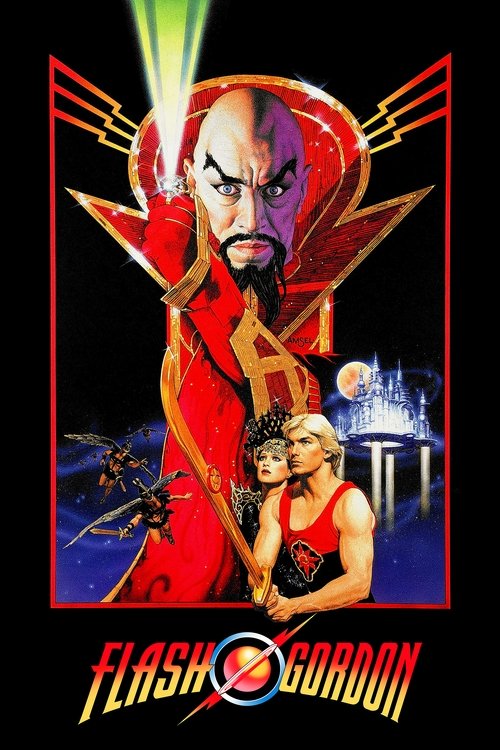
1980
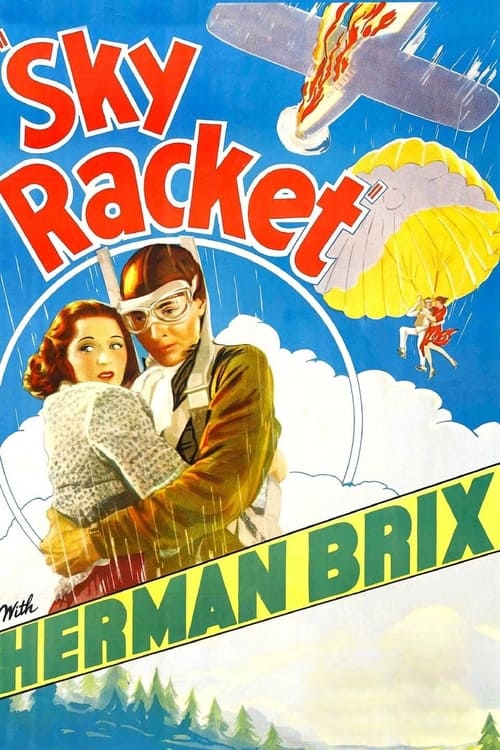
1937
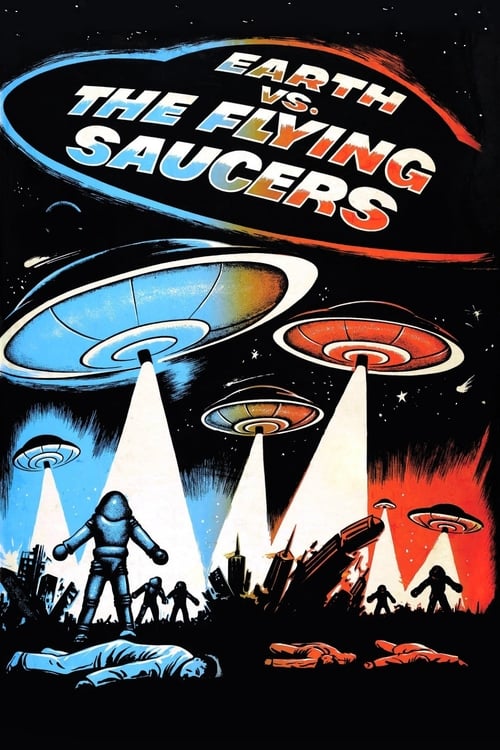
1956
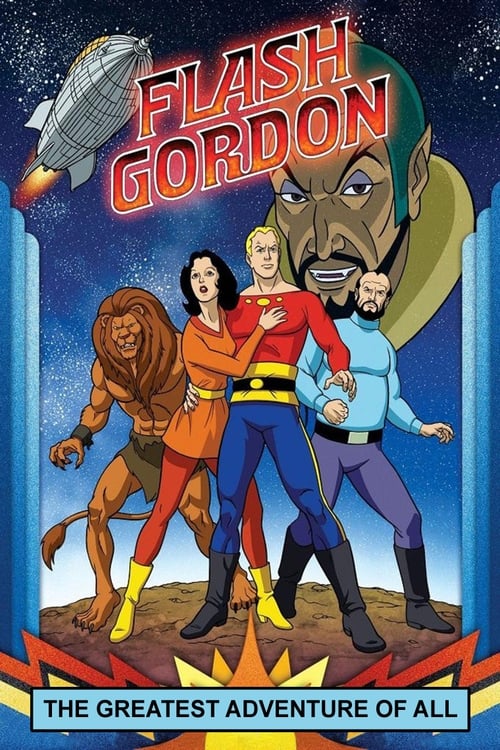
1982
1937
No reviews yet. Be the first to share your thoughts on this movie!
Use the rating form above to leave a star rating and optional review.