
That's Not Me
2017
No user ratings available yet
Representation score: 4.2 out of 10

Representation Score
Good
2020
RDirector
Jamie Babbit
Runtime
101 minutes
Average Rating
No ratings yetNew Showbiz Analysis
The film uses a mid-century setting to explore identity and social performance. By using a 'trading places' cliché, it challenges traditional expectations of women's ability to drive the story and social hierarchy. Director Jamie Babbit emphasizes the subversion of traditional gender and social norms. The narrative centers on the tension between individual authenticity and the systemic expectations of the 1950s. While the film effectively critiques gender and cultural norms, its portrayal of racial diversity is secondary to the central interpersonal conflict. The lack of information about disability representation hinders a comprehensive assessment of inclusivity.
Category Breakdown
The 1950s setting highlights the rigid social structures of the time. The film explores identities that exist outside these norms, showing the complexity of life during an era with strict social boundaries.
Female characters play significant roles by actively challenging the social norms of the 1950s. They take control of their careers and personal lives, defying the passive roles typically expected of women.
The urban New York setting includes a diverse cast that reflects various backgrounds. This ensemble avoids the typical homogeneity found in period pieces, providing a more realistic and layered backdrop.
The film critiques the conformity and restrictions imposed by societal institutions of the mid-20th century. It presents identity theft as a nuanced reaction to systemic pressures rather than a straightforward moral issue.
There is no evidence provided regarding the portrayal of physical or neurodivergent disabilities.
Present on Screen
Limited or Absent
Official Synopsis
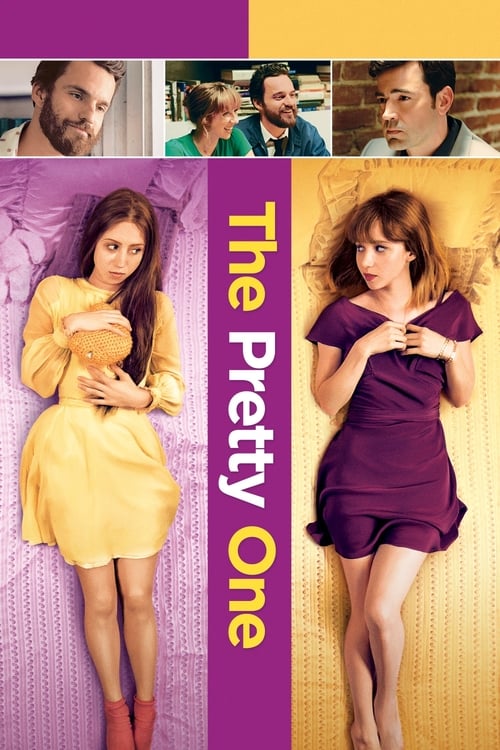
When ordered to serve a year in rehab, actress Candy hires her on-set stand-in to take her place. The unassuming woman flips the script and steals her identity, career and boyfriend in this hilarious comedy about trading places.
2017

2012

2019

2015

2013
2014

2020

2017
No reviews yet. Be the first to share your thoughts on this movie!
Use the rating form above to leave a star rating and optional review.