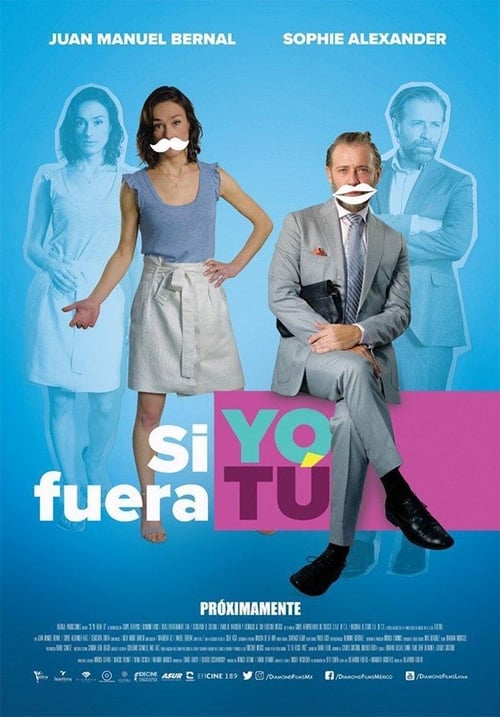
If I Were You
2018
No user ratings available yet
Representation score: 4.9 out of 10

Representation Score
Fair
2020
PG-13Director
Ihtzi Hurtado
Runtime
94 minutes
Average Rating
No ratings yetNew Showbiz Analysis
Crazy for Change uses the body-swap cliché to deconstruct identity and social performance. By forcing antagonistic women into each other's bodies, the film challenges how gendered expectations are inhabited. The production leans into a Latin American cultural context through its cast and creative direction. This provides a non-Western centric perspective that moves away from traditional Anglo-Saxon storytelling norms. However, the narrative lacks confirmed multi-layered depth. There is no clear evidence of LGBTQ+ representation or specific disability inclusion to bolster its social commentary.
Category Breakdown
The film does not explicitly show queer identities or non-straight romantic relationships. It focuses on the conflict between two female characters.
The body-swap mechanic allows for challenging traditional gender roles. Characters face social consequences while inhabiting different physical forms.
The cast includes prominent Latin American actors, suggesting a narrative centered around a non-Anglo-Saxon demographic. Specific ethnic breakdowns are not confirmed.
Magical realism elements allow the story to explore social hierarchies through high school interpersonal conflicts. This departs from rigid moralities.
There is no evidence of physical or neurodivergent disabilities portrayed within the film's cast or synopsis.
Present on Screen
Limited or Absent
Official Synopsis
Paula and Paulina, two young women who hate each other, magically swap bodies after a high school reunion.
2018

2019

2016

2018

2022
2006

2015
1976
No reviews yet. Be the first to share your thoughts on this movie!
Use the rating form above to leave a star rating and optional review.