Vanity
2015
No user ratings available yet
Representation score: 8.1 out of 10
Representation Score
Fair
2010
Not RatedDirector
Olias Barco
Runtime
95 minutes
Average Rating
No ratings yetNew Showbiz Analysis
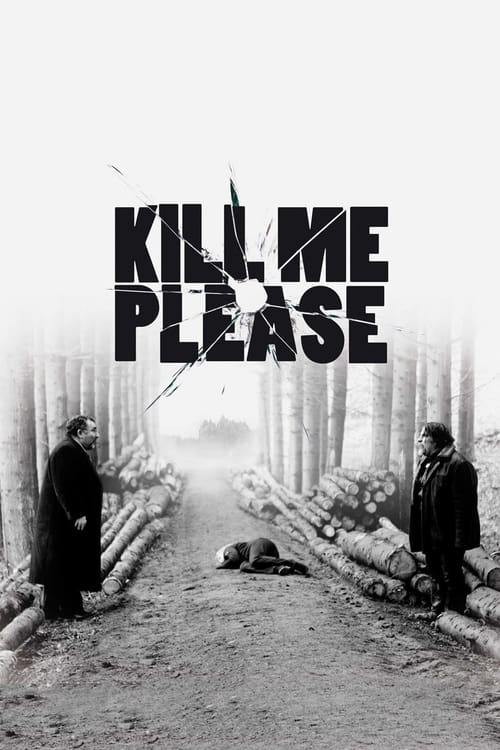
Kill Me Please functions as an existential black comedy that prioritizes nihilism and class commentary over identity politics. The narrative structure focuses on the clinical management of suicide among the wealthy, using death as a lens to critique capitalist excess and modern social structures. While the film challenges traditional religious and moral frameworks regarding the sanctity of life, it does not actively center underrepresented identities. The creative approach leans towards European independent existentialism rather than multi-layered sociopolitical commentary. Ultimately, the film's impact lies in its secular deconstruction of mortality. It avoids traditional moralism but fails to provide significant representation for LGBTQ+, racial, or diverse gender-based perspectives.
Category Breakdown
The film does not explicitly address non-binary or transgender identities. Its focus is on the existential concept of death among the wealthy, rather than exploring queer identities.
The movie includes notable female actors but centers on a male doctor's professional authority. It adheres to conventional dramatic structures without challenging traditional gender roles.
The film's setting revolves around a wealthy socio-economic class. There is no indication of a predominantly non-white cast or efforts to break historical racial norms.
The film critiques traditional Western institutions by presenting death as a luxury service. It frames the right to die as a secular choice rather than a moral issue.
The plot touches on mental health and self-harm, which relate to psychological struggles. However, it is unclear if these elements give characters a significant role in driving the story or merely serve as plot devices.
Present on Screen
Limited or Absent
Official Synopsis
Doctor Kruger dreams to insert “the suicide in modernity”. He offers to his patients the service of a private clinic where one can die in all peace, champagne glass to the hand. But in the private clinic of “ideal death”, nothing occurs as envisaged.
2015

2021

2020
1971

2011

2016
2005

1990
No reviews yet. Be the first to share your thoughts on this movie!
Use the rating form above to leave a star rating and optional review.