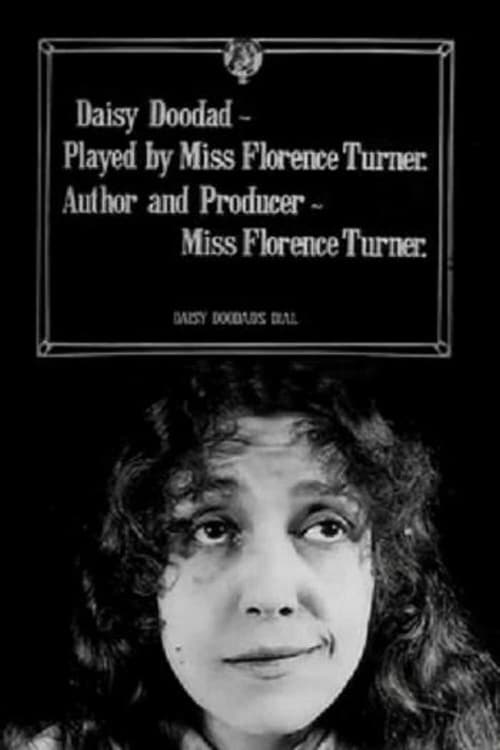
Daisy Doodad's Dial
1914
No user ratings available yet
Representation score: 2.0 out of 10
No Poster Available
Representation Score
Minimal
1926
PassedDirector
Harold Beaudine
Average Rating
No ratings yetNew Showbiz Analysis
Fresh Faces is a product of the 1920s studio system, focusing on situational comedy rather than narrative subversion. The film's structure relies heavily on established social hierarchies and gender stereotypes common to the silent era. The narrative centers on a beauty contest, limiting female roles to aesthetic competition. This focus, along with a lack of diverse casting, narrows the social scope significantly. Overall, the film functions as a traditional comedy that upholds the era's standard social norms without challenging them.
Category Breakdown
The film doesn't include any LGBTQ+ characters or themes. The plot revolves around traditional romance and adheres to the heterosexual norms of the 1920s.
Female characters are primarily defined through a beauty contest, emphasizing their value based on physical appearance. The use of stereotypes like the 'Village Vamp' reinforces outdated views of women.
The story doesn't feature any non-Anglo-Saxon characters or diverse casting. It seems to mirror the homogeneous society depicted in early Hollywood comedies.
The plot unfolds within a typical Western setting of small-town social hierarchies. It follows a conventional comedic progression without questioning traditional community structures.
There are no characters with visible or invisible disabilities mentioned. The story focuses solely on the beauty contest and its chaotic aftermath.
Present on Screen
Limited or Absent
Official Synopsis
Bingville is holding a beauty contest and the three finalists are Mary, Dora, and the Village Vamp. Dora's beau Eddie asks Walter, the contest judge, who will win, and is told that Dora will. Walter goes to the barber shop where the Village Vamp is the manicurist and her father is the barber, and advises them she will win. When they all arrive at the contest, Walter announces Mary as the winner. The mêlée that follows destroys the roadster that was the winner's prize.
1914
1927
1938
1926
1924
1936

1926
1933
No reviews yet. Be the first to share your thoughts on this movie!
Use the rating form above to leave a star rating and optional review.