The Telegram Man
2011
No user ratings available yet
Representation score: 2.0 out of 10
Representation Score
Fair
2010
TV-14Director
Brad Haynes
Runtime
93 minutes
Average Rating
No ratings yetNew Showbiz Analysis
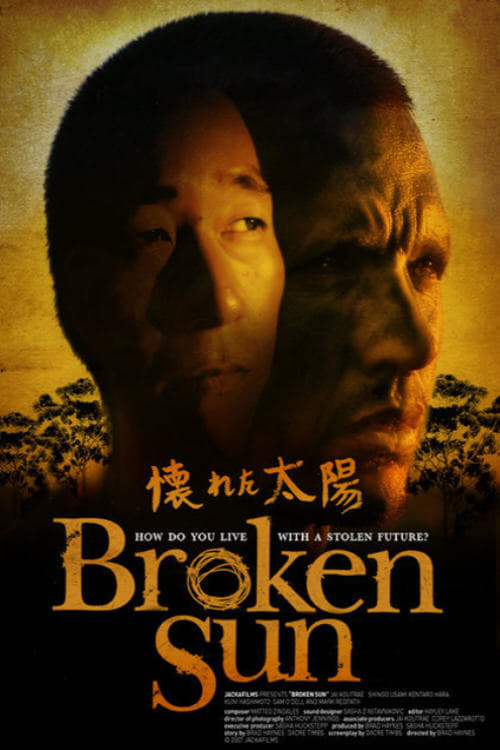
Broken Sun is a period drama that primarily explores intercultural tension. By focusing on a high-stakes encounter between a white veteran and a Japanese prisoner of war, the film breaks away from the racial homogeneity typical of mid-century settings. However, the film adheres to traditional frameworks regarding gender and sexuality. It emphasizes masculine conflict and lacks representation of LGBTQ+ identities or narratives. Overall, the film excels in depicting racial and moral complexity, though it falls short in other diversity categories.
Category Breakdown
The film does not include explicit LGBTQ+ characters or stories that question the assumption that everyone is straight or cisgender. Instead, it focuses on the geopolitical tension between two central male figures.
The story revolves around masculine roles, particularly a veteran and a soldier. It does not challenge traditional gender hierarchies or offer diverse portrayals of women.
The film introduces racial complexity by featuring a Japanese character in an Anglo-Australian context. This interaction challenges conventional Western-centric storytelling through cross-cultural negotiation.
The setting allows for a critique of institutionalized warfare and wartime morality. It potentially challenges nationalist narratives by presenting the 'enemy' as victims.
While the characters may experience trauma or PTSD, there is no explicit mention of characters with disabilities playing a significant role in the narrative.
Present on Screen
Limited or Absent
Official Synopsis
In 1944, Australia a World War 1 vet encounters an escaped Japanese P.O.W on his rural farm.
2011
1959
1986
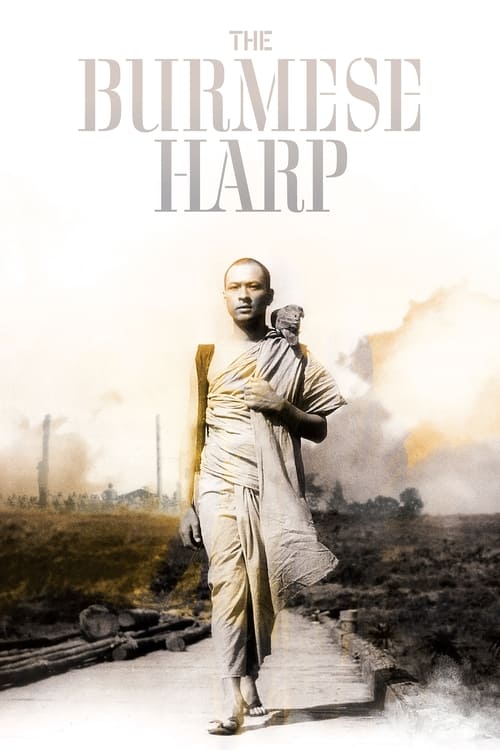
1956
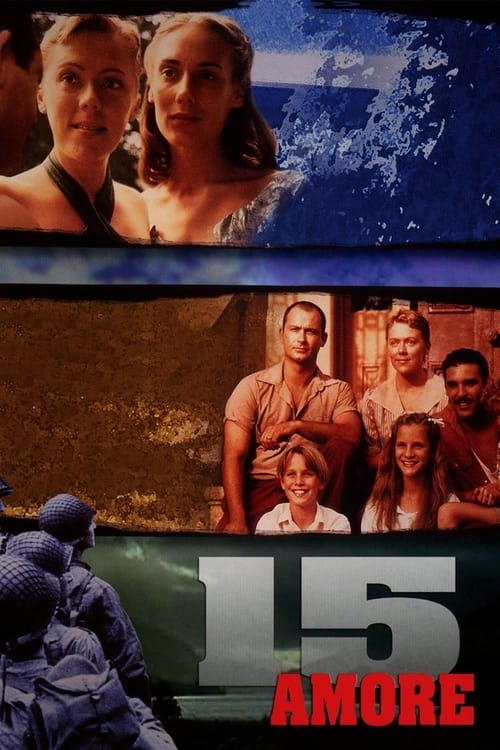
1998
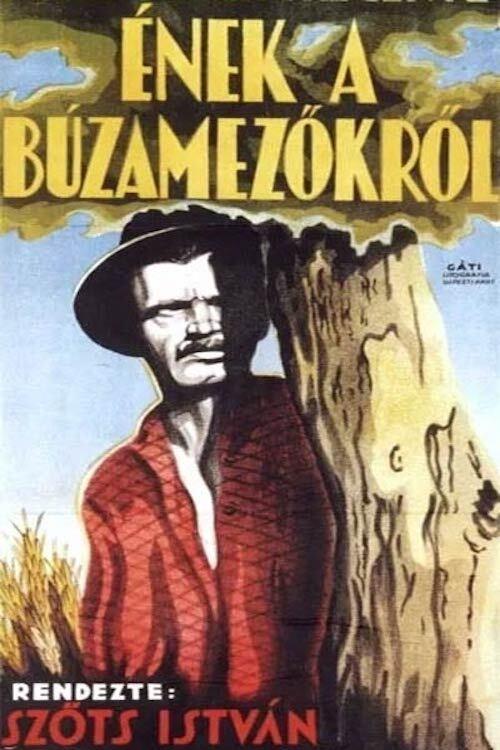
1947
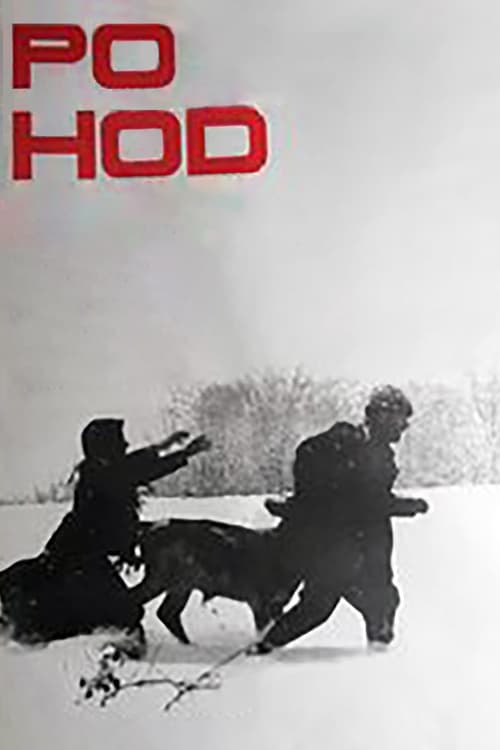
1968
1946
No reviews yet. Be the first to share your thoughts on this movie!
Use the rating form above to leave a star rating and optional review.