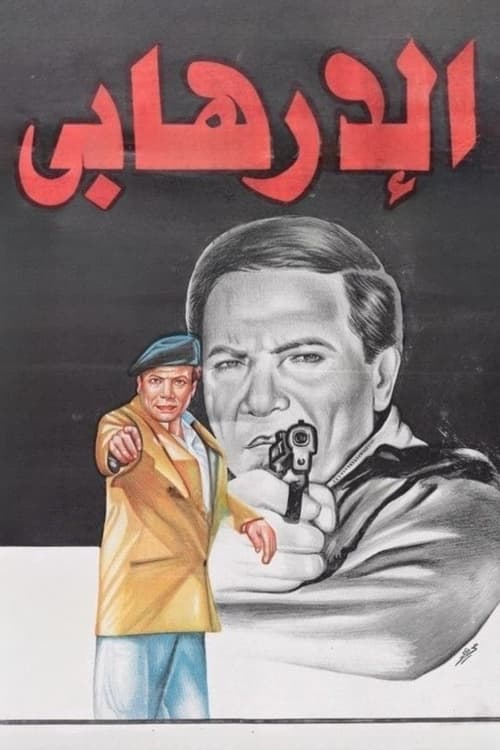
The Terrorist
1994
No user ratings available yet
Representation score: 3.2 out of 10
Representation Score
Fair
2005
PG-13Director
Mohamed Yassin
Runtime
109 minutes
Average Rating
No ratings yetNew Showbiz Analysis
The film functions as a social realist drama that examines the intersection of economic disenfranchisement and radicalization. It moves away from Western-centric storytelling by focusing on regional class struggles and the consequences of systemic instability. While the film offers a critique of social structures and class hierarchies, it lacks explicit markers reflecting multiple aspects of identity. The narrative centers on traditional romantic and class-based conflicts without exploring broader identity-based diversity. Ultimately, the work succeeds in providing a regional perspective on social displacement, though it remains limited in its representation of underrepresented identities.
Category Breakdown
The film focuses on the romantic tension between Reda and Hanan. There is no explicit depiction of LGBTQ+ identities or relationships outside of the assumption that everyone is straight.
Hanan acts as a catalyst for the plot by choosing to leave her environment to live with an aristocrat. It remains unclear if she maintains a significant role in driving the story or serves as a passive element.
The production prioritizes regional identity and local social strata over Western-centric norms. It explores the divide between unemployed citizens and the aristocracy.
The narrative critiques class hierarchies and systemic failures. It frames radicalization as a response to social displacement and economic instability rather than individual moral failure.
There is no mention of characters with visible or invisible disabilities in the narrative.
Present on Screen
Limited or Absent
Official Synopsis
The unemployed Reda develops feelings for his neighbor Hanan who runs away and lives with an aristocratic lady for whom she works, leaving Reda to get involved with terrorist groups. Meanwhile, Jaber earns his living by fraud and deceit and eventually dies in an accident.
1994

2019
2008
2006

2006

2008

2021
2016
No reviews yet. Be the first to share your thoughts on this movie!
Use the rating form above to leave a star rating and optional review.