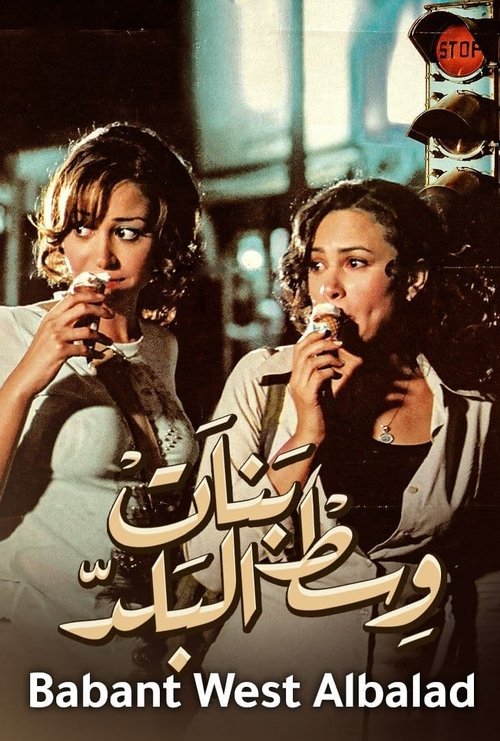
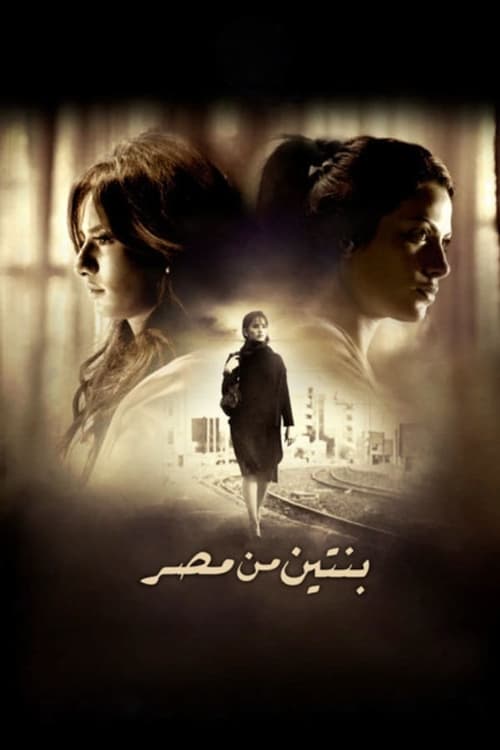
Downtown Girls
2005
No user ratings available yet
Diversity score: 6.2 out of 10
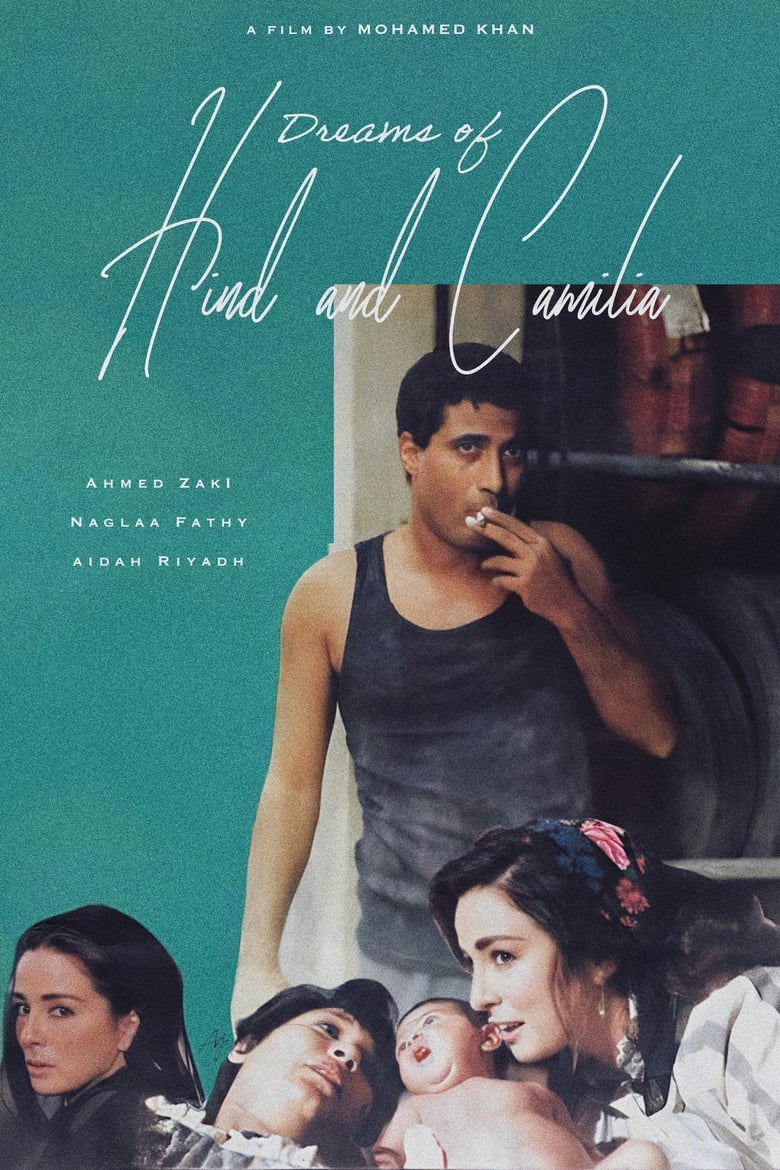
1988
Director
Mohamed Khan
Runtime
109 minutes
Average Rating
No ratings yetSynopsis
Hend is a young widow who works as a maid, she meets Eid the conman who goes to prison and leaves her pregnant. While Camellia is a divorced maid who supports her unemployed brother and his family in exchange for letting her sleep over in his apartment.
Overall Score
Good
Category Breakdown
LGBTQ+ Representation
The film lacks explicit depictions of LGBTQ+ identities or non-heteronormative relationships. While Camellia engages in unconventional living arrangements, these are driven by economic necessity rather than queer identity.
Gender Representation
The narrative centers on female agency, portraying Hend and Camellia as resilient drivers of their own survival. Male characters are often depicted as unstable or unreliable compared to the protagonists' endurance.
Racial & Ethnic Diversity
As an Egyptian production, the film provides a non-Western perspective on working-class life. It grants psychological complexity to characters often relegated to the periphery in global cinema.
Religious & Cultural Diversity
The film critiques economic structures by showing how material reality tensions with traditional social expectations. It portrays survival-based morality as a response to systemic failure.
Disability Representation
There is no evidence of characters with visible or invisible disabilities playing central roles in the narrative.
Strengths
Areas for Improvement
AI Analysis
Mohamed Khan’s work serves as a vital piece of Egyptian New Realism, focusing on the lived experiences of the marginalized working class. The film succeeds by shifting the narrative lens away from male-led authority toward female-led resilience. By centering on the domestic and reproductive struggles of women, the film disrupts traditional patriarchal hierarchies. It avoids escapist tropes, opting instead to document the socioeconomic pressures facing urban populations. While the film lacks LGBTQ+ representation and disability-focused narratives, its strength lies in its cultural specificity and its refusal to romanticize the hardships of the domestic sphere.
2005
1983

1988

2013
2012
1997
2025

2021
2010
1989
1974
2017
No reviews yet. Be the first to share your thoughts on this movie!
Use the rating form above to leave a star rating and optional review.