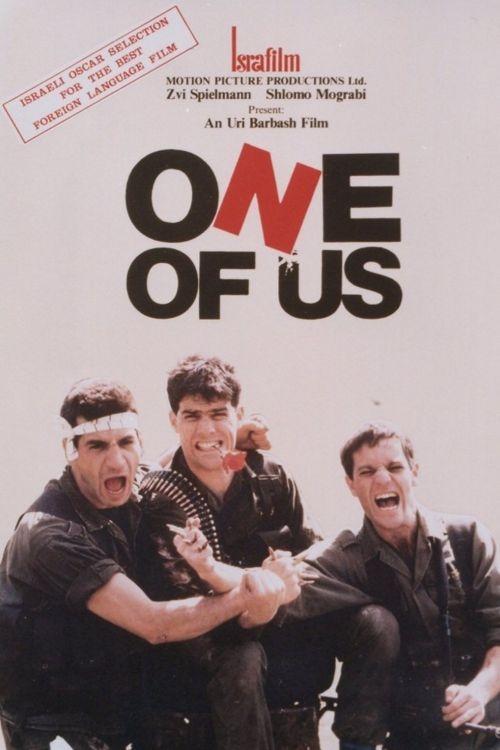
One of Us
1989
No user ratings available yet
Representation score: 4.0 out of 10

Representation Score
Fair
2000
Not RatedDirector
Joseph Cedar
Runtime
102 minutes
Average Rating
No ratings yetNew Showbiz Analysis
Time of Favor succeeds by breaking down rigid social and religious hierarchies rather than simply representing specific identity groups. It uses the friction between individual autonomy and communal dogma to drive its psychological depth. The film's strength lies in its sophisticated critique of institutional authority and its exploration of ethnic tension. It moves beyond simple portrayals to examine how zealotry impacts human connection. However, the narrative is limited by a lack of LGBTQ+ and disability representation. While it challenges traditional gender roles, it remains focused on a specific religious and political landscape.
Category Breakdown
The film does not include explicit LGBTQ+ characters or non-straight relationships. The romantic tensions are confined to traditional gender roles, focusing on the interactions between Michal, Pini, and Menachem.
Michal's resistance to traditional roles offers a nuanced look at women's ability to drive the story. Her refusal of the ideal scholar challenges the patriarchal expectations and domestic obedience within her religious community.
The film addresses the intense ethnic friction between Jewish and Arab populations. It avoids simplistic portrayals, focusing instead on the human cost of polarization and the difficulty of coexistence under nationalist fervor.
The film critiques religious and nationalist institutions through a post-colonial lens. It shows how sectarian identities and paramilitary groups can act as oppressive mechanisms that erode individual morality.
There are no significant depictions of visible or invisible disabilities. No characters use neurodivergence or disability as a central narrative element.
Present on Screen
Limited or Absent
Official Synopsis
Is today's fanaticism tomorrow's policy? In a West Bank settlement, Rabbi Meltzer has a grand design: he's building a movement "to pray at the Temple Mount." His yeshiva has scholars, and the settlement is getting its own military company to be commanded by Menachem, a disciple of the rabbi. He also wants his daughter, Michal, to marry Pini, the yeshiva's best scholar. Michal has no interest in Pini, but she is attracted to Menachem. When she rebuffs Pini, he hatches a bold and secret plan. Is jealousy the motivation or something else? Meanwhile, the army and Moussad are closely watching the rabbi's activities and Menachem's military training. Who is trustworthy?
1989

2008

2001

2002

2004

1990

2010

2001
No reviews yet. Be the first to share your thoughts on this movie!
Use the rating form above to leave a star rating and optional review.