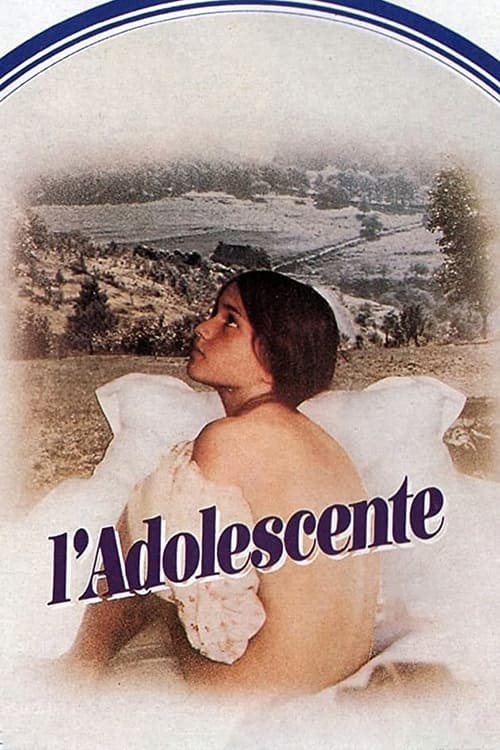
The Adolescent
1979
No user ratings available yet
Diversity score: 5.9 out of 10

2002
Director
Inas El Degheidy
Runtime
115 minutes
Average Rating
No ratings yetSynopsis
Jamila falls in love with Raouf, a handsome young man and a friend of Nancy at first sight, to the extent that she gives herself to him.
Overall Score
Good
Category Breakdown
LGBTQ+ Representation
The narrative focuses on a heterosexual romantic encounter between Jamila and Raouf. There is no explicit evidence of queer subtext or non-heteronormative identities present.
Gender Representation
The film centers on female agency and the exploration of female sexuality. Jamila is framed as a driver of her own physical experiences rather than a passive object.
Racial & Ethnic Diversity
As an Egyptian production, the film offers a vital non-Western perspective. It provides a localized lens on adolescence that resists Westernized archetypes and Anglo-centric storytelling.
Religious & Cultural Diversity
The story prioritizes individual desire over institutional or religious oversight. This approach disrupts rigid moral frameworks often found in traditionalist depictions of youth.
Disability Representation
There is no evidence regarding the depiction of physical or neurodivergent disabilities within the film.
Strengths
Areas for Improvement
AI Analysis
Journals of a Teenager stands out for its focus on female subjectivity and the complexities of desire. By centering Jamila's choices, the film challenges patriarchal constraints and traditional expectations of female submissiveness. The production provides a significant non-Western perspective, offering an Egyptian lens on adolescence. This helps disrupt the hegemony of Anglo-centric cinematic storytelling. While the film lacks LGBTQ+ representation and disability visibility, its strength lies in its exploration of personal autonomy and secular truth over rigid social hierarchies.
1979

2010

2020

2011
2019
2013

2014
2017
2022
2008
2010

2020
No reviews yet. Be the first to share your thoughts on this movie!
Use the rating form above to leave a star rating and optional review.