Goth
2008
No user ratings available yet
Representation score: 7.3 out of 10
Representation Score
Fair
2017
Director
Yu Irie
Runtime
118 minutes
Average Rating
No ratings yetNew Showbiz Analysis
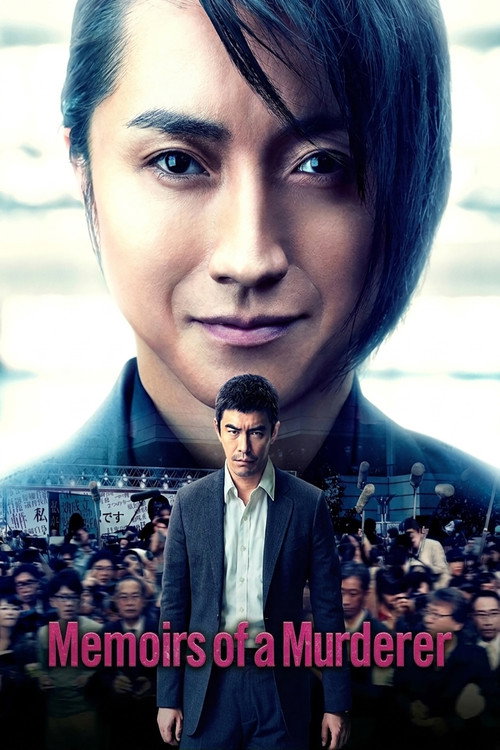
Memoirs of a Murderer is a genre-driven psychological thriller that prioritizes the deconstruction of truth over social identity representation. It successfully presents a female protagonist with professional authority, moving away from standard procedural clichés through its focus on systemic failures. However, the film lacks multi-layered complexity and does not actively engage with diverse demographic identities. Ultimately, its strength lies in its social critique of digital culture and media influence rather than its commitment to broad demographic subversion.
Category Breakdown
The film does not include any LGBTQ+ characters or narratives focused on non-assuming gender matches what was assigned at birth identities. It operates within a conventional framework that assumes everyone is straight and cisgender.
Detective Makimura serves as a strong female lead with professional authority. She challenges traditional gender roles in law enforcement, though the film focuses more on procedural elements than gender dynamics.
The film features a culturally homogeneous cast typical of Japanese productions. It operates within its local context without evidence of whitewashing or Western-centric racial hierarchies.
The story critiques modern social institutions and media sensationalism. It highlights how the legal system and truth can be manipulated through social networking services and public voyeurism.
There is no information about the depiction of physical, sensory, or neurodivergent disabilities in the narrative. No character arcs or casting details are available to assess this category.
Present on Screen
Limited or Absent
Official Synopsis
The movie begins in the year 1995 where there were 5 peculiar murder cases. The murderer would always get someone close to the victim to witness how he would strangle the victim from behind with a rope but he would let the witnesses go and speak to the media on how the murders happened. Ito plays the role of Makimura, the police detective who was in charge of investigating the serial murders but failed to catch the cunning murderer and his respected superior ended up being killed as well. 22 years later in 2017 when the case is nearing its statute of limitations, a man named Sonezaki claims to be the culprit for the 1995 murders and even publishes a book titled "Watashi ga satsujinhan desu" to talk about the cases. Despite the disgust towards Sonezaki's actions, the intensive attention showered on him via the media and SNS makes him become the talk of town.
2008

2017
2022

2012
2016

2009

2016
2017
No reviews yet. Be the first to share your thoughts on this movie!
Use the rating form above to leave a star rating and optional review.