
Tribute to the Teachers
1977
No user ratings available yet
Representation score: 3.9 out of 10
Representation Score
Limited
1967
Director
Mani Kaul
Runtime
3 minutes
Average Rating
No ratings yetNew Showbiz Analysis
Mani Kaul’s work stands out as a key piece of the Indian New Wave, marked by its rejection of Western storytelling methods. The film’s greatest impact comes from its racial and cultural representation, reclaiming indigenous aesthetics and challenging Western dominance. While the film is a powerful example of post-colonial resistance, it doesn’t engage much with current identity issues. It does not address LGBTQ+ identities or significantly challenge traditional gender roles within its educational context. Ultimately, the film’s strength lies in its experimental style. It challenges the 'universal' standards of Western media by presenting a rhythmic, non-linear, and culturally specific way of viewing the world.
Category Breakdown
The film focuses on the spiritual bond of the Guru-Shishya tradition and does not include any non-straight identities or narratives that challenge the assumption that everyone is straight.
The story follows a traditional educational framework that emphasizes intellectual growth but does not challenge the usual gender roles or social structures.
The film features an all-Indian cast and perspective, rejecting the Western viewpoint in favor of indigenous viewpoints and stories.
The film does a great job of presenting non-Western ways of thinking. It explores the passing down of knowledge through a spiritual understanding of time and tradition.
There are no prominent depictions of visible or invisible disabilities. The film focuses on metaphysical and educational themes.
Present on Screen
Limited or Absent
Official Synopsis
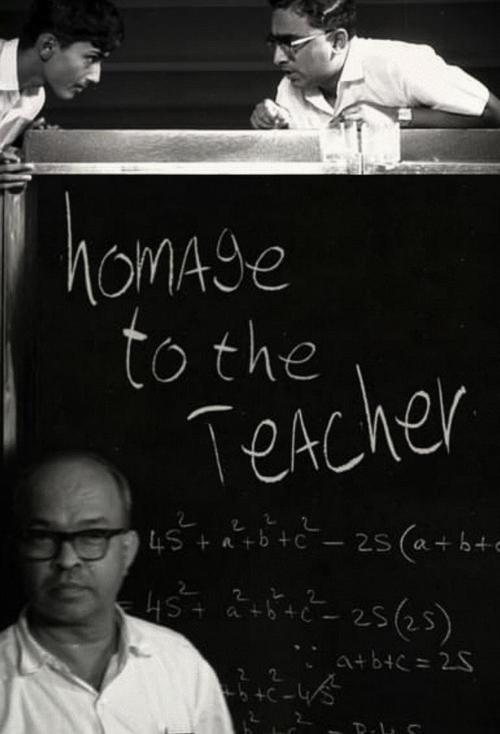
The film shows the role of school teachers and the importance thereof.
1977

2002
2016

1969

1989

2006

2025

1984
No reviews yet. Be the first to share your thoughts on this movie!
Use the rating form above to leave a star rating and optional review.