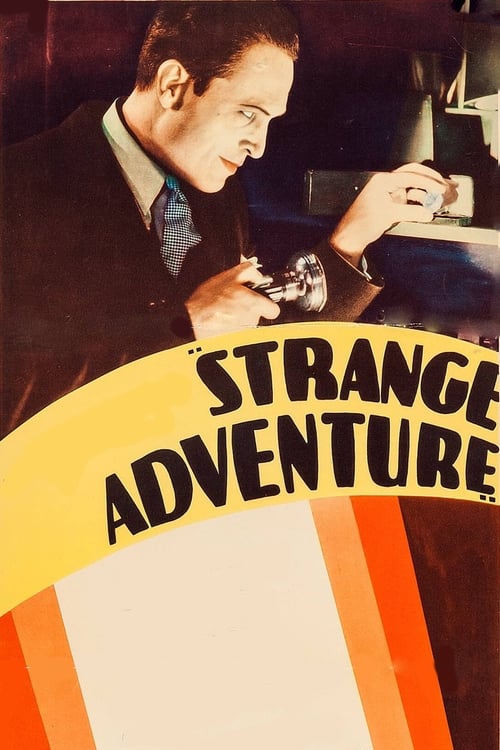
A Strange Adventure
1932
No user ratings available yet
Representation score: 2.0 out of 10

Representation Score
Minimal
1932
NRDirector
Maurice Elvey
Runtime
85 minutes
Average Rating
No ratings yetNew Showbiz Analysis
The Lodger functions as a period-specific psychological thriller that focuses on creating an atmosphere of dread rather than offering social commentary. The narrative structure relies on early 20th-century clichés, emphasizing the stability of the Western domestic sphere. Representation is limited, as the film reinforces traditional hierarchies of gender and social order. It does not challenge conventional expectations, instead embracing the homogeneous social landscape of 1930s London. Ultimately, the film serves as a classic product of its era, highlighting the threat posed by an outsider to a traditional domestic unit, without exploring diverse social roles.
Category Breakdown
The film follows traditional structures that assume everyone is straight or cisgender. There is no indication of queer themes or non-conforming gender identities.
Gender roles align with the conventional hierarchy of the time. The female lead is emotionally central but mostly reacts to conflicts driven by male characters.
The setting depicts a homogeneous 1930s London. The cast lacks racial or ethnic diversity, showing a typical Anglo-Saxon middle-class environment.
The story emphasizes the sanctity of the family unit within a Western context. It upholds social order without exploring multicultural or secular viewpoints.
There is no representation of physical, sensory, or neurodivergent disabilities. Characters are standard archetypes within the thriller genre.
Present on Screen
Limited or Absent
Official Synopsis
An elderly couple's lodger, a British musician (Ivor Novello), becomes the suspect in a series of killings.
1932
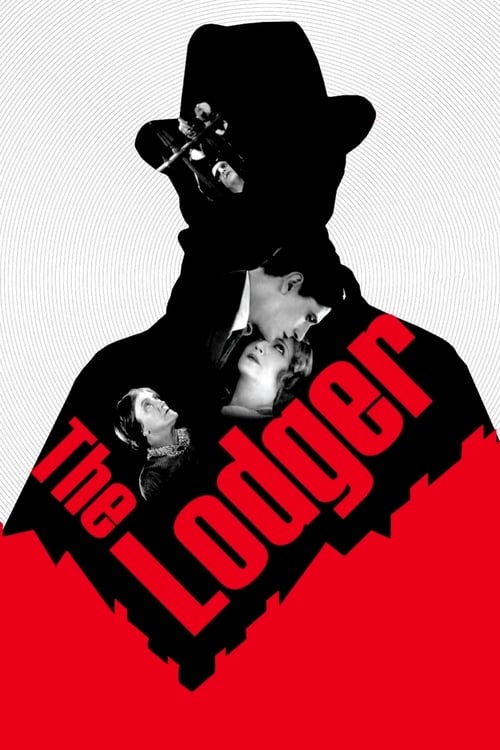
1927
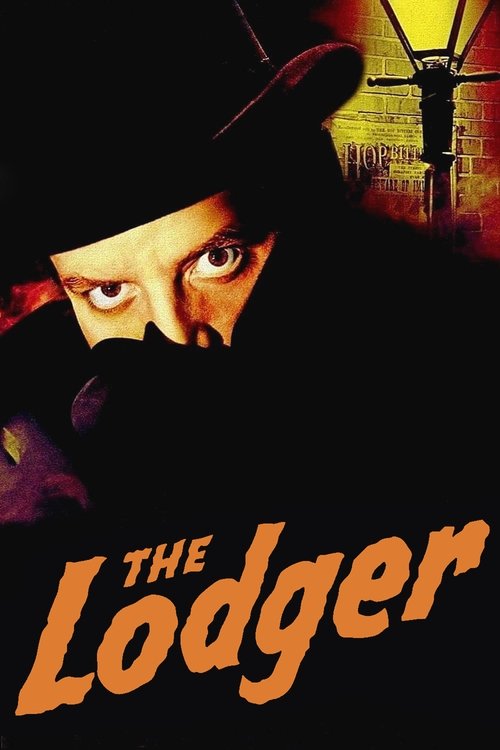
1944
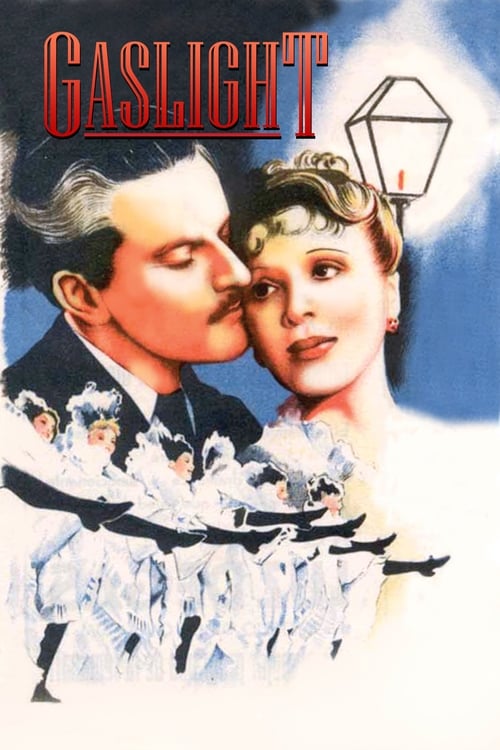
1940
1935
1937
1940

1930
No reviews yet. Be the first to share your thoughts on this movie!
Use the rating form above to leave a star rating and optional review.