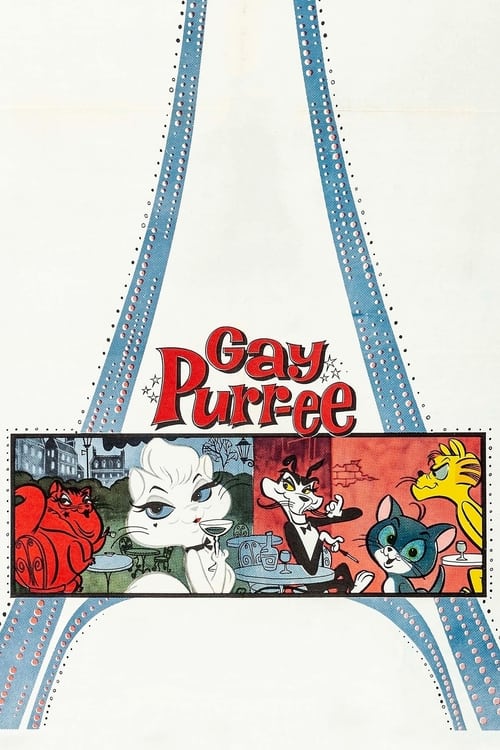
Gay Purr-ee
1962
No user ratings available yet
Diversity score: 1.4 out of 10
1935
NRDirector
Wilfred Jackson
Runtime
10 minutes
Average Rating
No ratings yetSynopsis
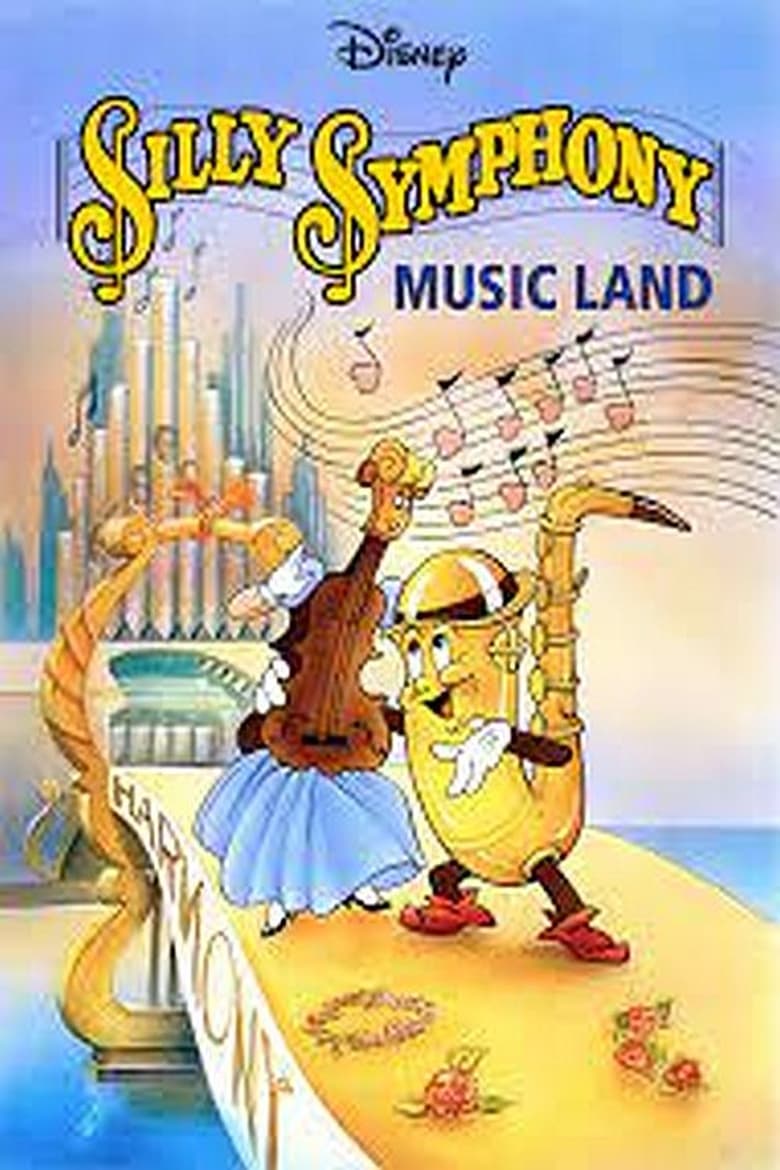
Musical instruments are the stars of a romantic fable set in the Land of Symphony and the Isle of Jazz, two islands separated by the Sea of Discord. The violin princess and the saxophone prince fall in love, but must meet secretly in order to avoid the wrath of their parents, the Symphony queen and the Jazz king. The queen finds the boy saxophone on her island, attempting to woo her daughter. She has him locked in the metronome, but the young lover manages to send a note - in fact, several musical notes on sheet music - that conveys the message that he has been imprisoned. The Isle of Jazz declares war by blasting musical notes across the sea. The only thing that can bring peace and harmony to the Sea of Discord is love.
Overall Score
Minimal
Category Breakdown
LGBTQ+ Representation
The film follows a traditional romantic fable structure. The central romance between the Violin Princess and Saxophone Prince adheres strictly to heteronormative tropes without queer subtext.
Gender Representation
Anthropomorphic instruments mirror traditional gender hierarchies through royal archetypes. While the princess shows emotional agency, she remains subject to patriarchal authority and parental wrath.
Racial & Ethnic Diversity
Musical genres serve as metaphors for distinct cultures. The separation of the Symphony and Jazz islands via the Sea of Discord mirrors historical segregationist tropes.
Religious & Cultural Diversity
The narrative reinforces Western structures of authority and monarchy. Peace is achieved through romantic love, which stabilizes the existing social order rather than critiquing it.
Disability Representation
The film contains no characters with visible or invisible disabilities. It does not engage with neurodivergence or physical impairment.
Strengths
Areas for Improvement
AI Analysis
Music Land uses anthropomorphism to explore universal romantic themes through a conservative lens. The story relies on rigid social hierarchies and binary cultural divisions to drive its conflict. While the musical metaphors provide a unique framework, they ultimately reinforce historical segregationist tropes. The film functions as a classic piece of early animation that prioritizes traditional moralizing over social critique. Ultimately, the work lacks the intentionality needed to disrupt conventional expectations or provide nuanced representation of marginalized identities.
1962
1936
1932
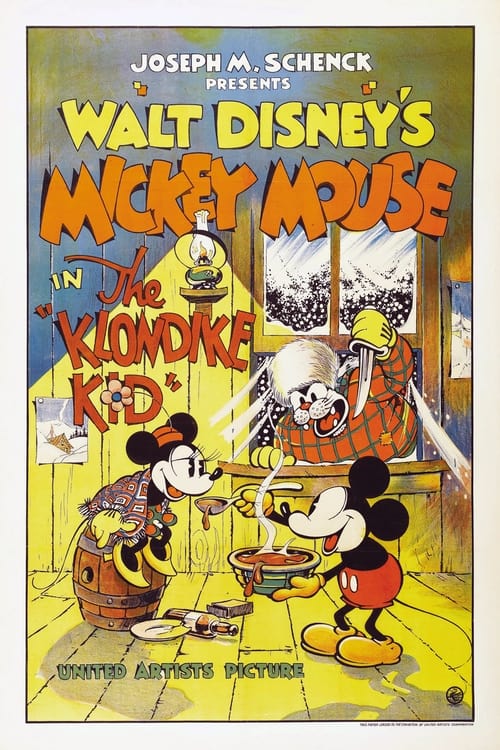
1932
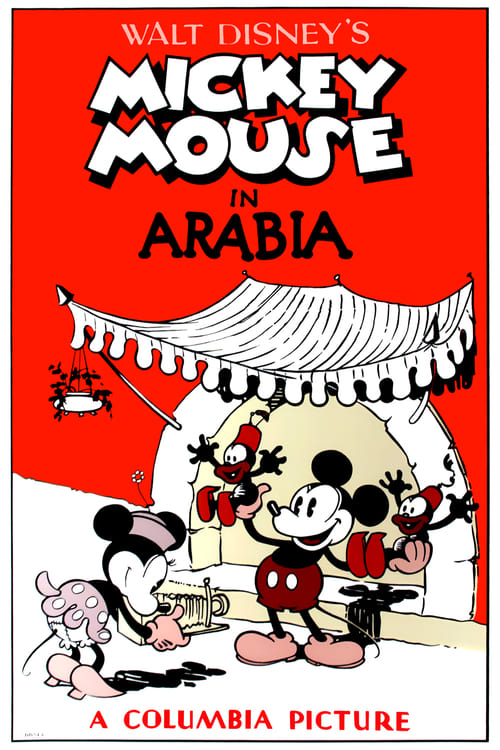
1932

1937
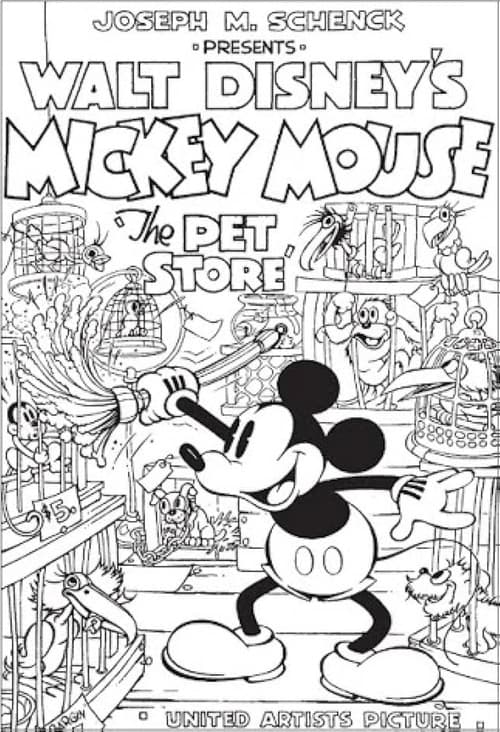
1933
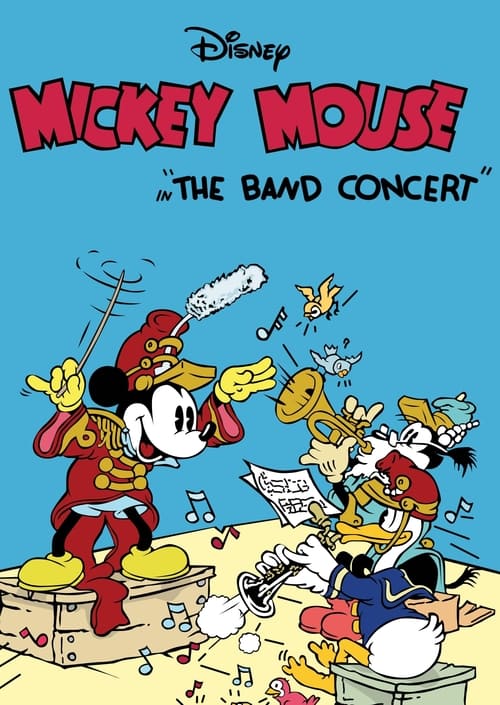
1935
1933
No reviews yet. Be the first to share your thoughts on this movie!
Use the rating form above to leave a star rating and optional review.