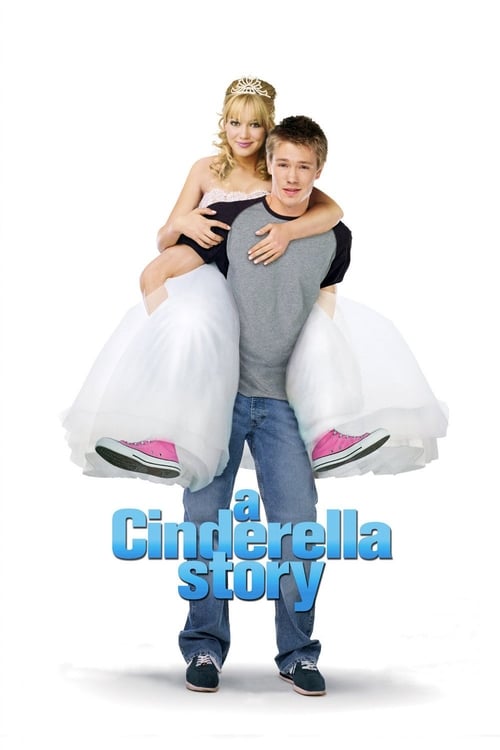
A Cinderella Story
2004
No user ratings available yet
Representation score: 2.9 out of 10
Representation Score
Fair
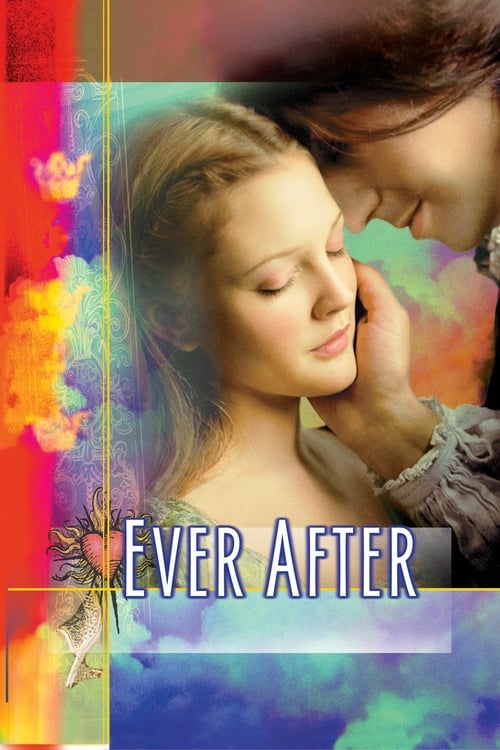
1998
PG-13Director
Andy Tennant
Runtime
121 minutes
Average Rating
No ratings yetNew Showbiz Analysis
EverAfter stands out as a progressive retelling of fairy-tale clichés, particularly through its sophisticated portrayal of female empowerment. By highlighting Danielle's intellect and strategic thinking, the film moves beyond passive stereotypes to present a proactive protagonist. While the film excels in gender representation, it remains limited by the era's conventions regarding race and sexuality. The central power structures and romantic lines are rooted in a white, aristocratic framework, and the narrative lacks LGBTQ+ presence. Ultimately, the film's strength lies in its ability to use a historical setting to critique social status and merit, offering a more nuanced perspective than typical genre stories.
Category Breakdown
The film follows the heterosexual and cisgender standards typical of the late 1990s. The romantic storyline focuses on a traditional binary pairing without considering non-binary or transgender identities.
Danielle de la Force challenges the damsel in distress stereotype through her intelligence and strategic thinking. The film passes the Bechdel test with conversations between female characters that have substance.
The cast is mainly Anglo-European, fitting the 16th-century French setting. However, supporting roles like Pauletta Washington bring more diversity compared to many modern period dramas.
The story questions the notion that nobility automatically means virtue, emphasizing merit and intellect instead. It criticizes strict class hierarchies and the ethics of social climbing.
There are no significant depictions of visible or invisible disabilities in the main storyline.
Present on Screen
Limited or Absent
Official Synopsis
Danielle, a vibrant young woman, was forced into servitude after the death of her father when she was a young girl. Danielle's stepmother, Rodmilla, is a heartless woman who forces Danielle to do the cooking and cleaning, while she tries to marry off the eldest of her two daughters to the prince. But Danielle's life takes a wonderful turn when, under the guise of a visiting royal, she meets the charming Prince Henry.
2004
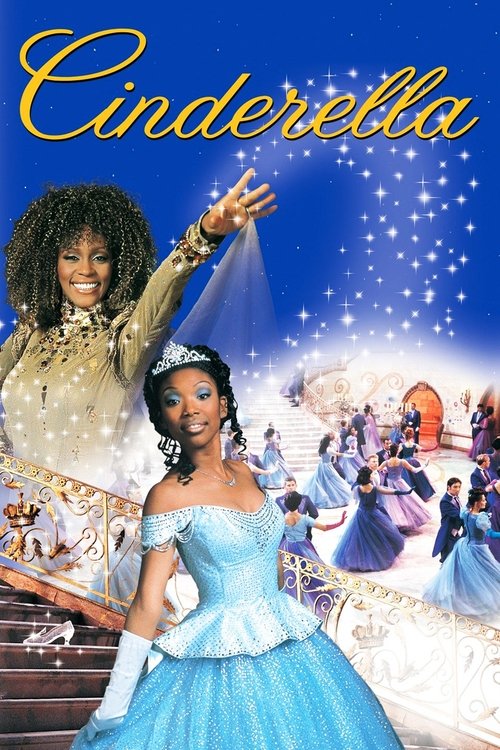
1997
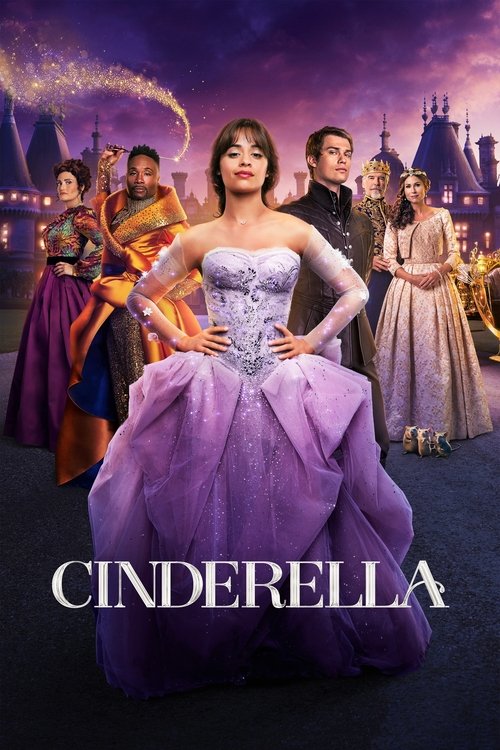
2021

1992
2015
1998
2004
1996
No reviews yet. Be the first to share your thoughts on this movie!
Use the rating form above to leave a star rating and optional review.