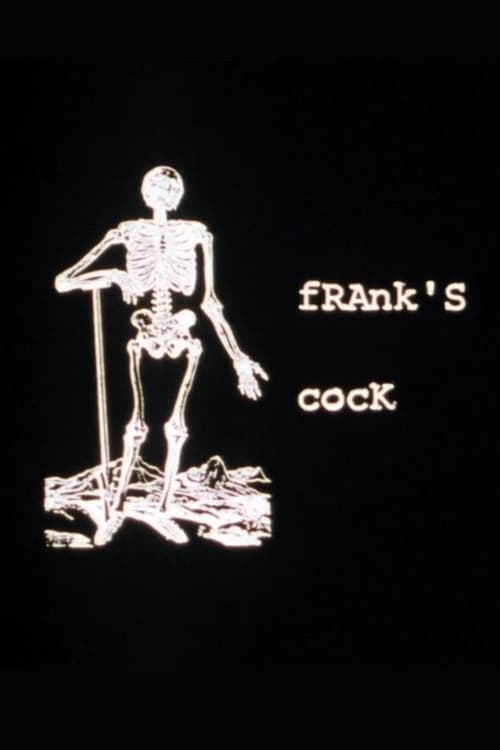
Frank's Cock
1994
No user ratings available yet
Representation score: 7.1 out of 10

Representation Score
Excellent
2006
Director
Gaspar Noé
Runtime
18 minutes
Average Rating
No ratings yetNew Showbiz Analysis
Gaspar Noé’s work shifts the cinematic lens away from Western-centric perspectives by centering a narrative in Burkina Faso. This provides a vital disruption of the traditional global health gaze, offering authentic ethnic and cultural representation through a local protagonist's testimony. The film excels in its refusal to treat illness as a mere spectacle, instead focusing on the individual's experience of living with HIV. This approach fosters a more complex, realistic portrayal of systemic medical struggles. However, the film's impact is limited by a lack of explicit diversity in gender and LGBTQ+ identities. The focus remains heavily concentrated on a singular male experience, leaving broader social hierarchies unexamined.
Category Breakdown
The film touches on themes related to intimacy and bodily autonomy in the context of HIV/AIDS. However, it does not include explicit representations of non-binary or LGBTQ+ identities or celebrate diverse LGBTQ+ narratives.
The story focuses on a single male protagonist in a medical setting. There is little information about the presence of female characters or the subversion of traditional gender roles.
By centering a perspective from Burkina Faso, the film challenges Western-centric viewpoints. The protagonist's personal story provides authentic ethnic representation and a significant role in driving the narrative.
The film critiques systemic vulnerabilities and global power dynamics through a post-colonial lens. It prioritizes authentic lived experiences over generalized moralizing frameworks regarding medical issues.
Chronic illness is portrayed as a direct human experience rather than a plot device. The documentary format allows the subject to take control of their story, avoiding the reductionist clichés of inspiration porn.
Present on Screen
Limited or Absent
Official Synopsis
In a hospital in Burkina Faso, a man infected by HIV tells his story.
1994
2002
2016

2005

1993

2012
2001
2013
No reviews yet. Be the first to share your thoughts on this movie!
Use the rating form above to leave a star rating and optional review.