8: SIDA
2006
No user ratings available yet
Representation score: 8.1 out of 10
Representation Score
Good
2002
Director
Gaspar Noé
Runtime
5 minutes
Average Rating
No ratings yetNew Showbiz Analysis
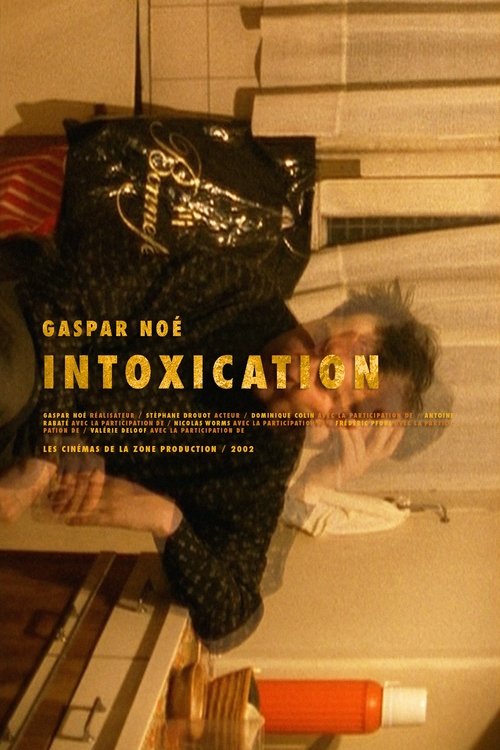
Intoxication is a raw, fragmented exploration of existentialism that dismantles social and moral hierarchies. Its strength lies in its unflinching portrayal of identity and systemic struggles, especially regarding chronic illness. However, the film focuses on a narrow social circle in Paris. While it challenges traditional narratives, it lacks a broad range of racial and non-traditional gender representations. Ultimately, the work succeeds as a postmodern critique of stability, even though it does not offer a wide variety of racial or non-assuming gender matches what was assigned at birth character types.
Category Breakdown
The film examines LGBTQ+ themes through the main character's struggle with AIDS. It presents a nuanced look at identity and chronic illness without relying on typical romantic storylines.
Gender hierarchies are challenged through intense, emotional interactions. Masculinity and femininity are shown through hedonism and vulnerability, rather than traditional roles.
The story centers around a relatively homogeneous, artistic community in Paris. It does not emphasize a diverse cast or explore multiple ethnic backgrounds.
The work critiques modern society by presenting a nihilistic worldview focused on sensory experiences. It highlights subjective truths over established Western institutions.
The film portrays the lived experience of AIDS as an invisible disability. It gives the main character a significant role in driving the story rather than using illness merely as a plot device.
Present on Screen
Limited or Absent
Official Synopsis
Short documentary by Gaspar Noé filmed around the the same time as Irréversible (in 16mm Scope), in which his friend Stéphane Drouot, the director of the cult film "La Banlieue des Étoiles / Star Suburb", discusses his life with AIDS and struggles to make films.
2006
1994

1993

2005

2003

1995

2003

2003
No reviews yet. Be the first to share your thoughts on this movie!
Use the rating form above to leave a star rating and optional review.