Los Sures
1984
No user ratings available yet
Representation score: 6.4 out of 10
Representation Score
Excellent
2006
Director
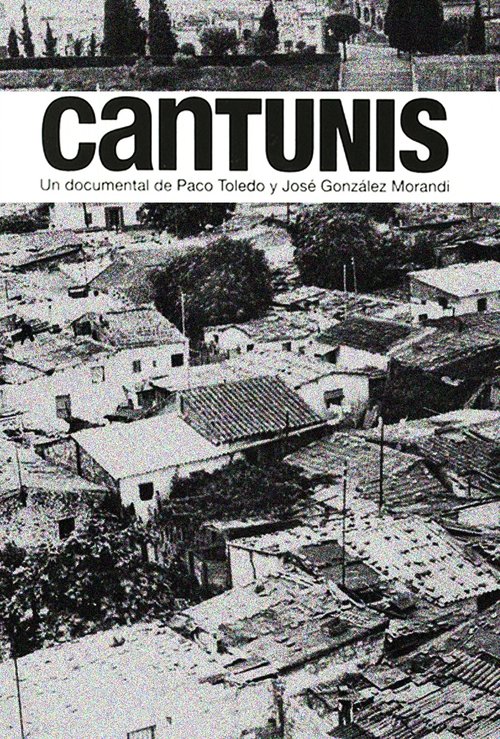
Paco Toledo, José González Morandi
Runtime
84 minutes
Average Rating
No ratings yetNew Showbiz Analysis
Can Tunis serves as a powerful documentary critique of systemic urban displacement. It refuses to romanticize the domestic sphere, instead using the lived experiences of a underrepresented family to challenge the perceived stability of urban institutions. The film's strength lies in its ability to deconstruct city 'order' by highlighting the systemic neglect of vulnerable residents. It moves beyond middle-class clichés to offer a raw look at the impact of capitalist development on the periphery. While the film excels in racial and cultural representation, it remains neutral regarding LGBTQ+ identities and lacks specific evidence regarding physical or neurodivergent disabilities.
Category Breakdown
The film focuses on the socio-economic struggles of a specific household. There is no explicit mention of LGBTQ+ characters or narratives that challenge the assumption that everyone is straight or cisgender.
The narrative centers on a domestic unit shaped by a patriarchal father and an incarcerated mother. Her absence highlights a nuanced view of female roles and familial resilience.
By centering on a underrepresented community in Barcelona, the film disrupts homogeneous depictions of Spanish life. It provides ability to act to characters living on the periphery of mainstream society.
The film critiques institutional authority by portraying state expropriation as an oppressive force. It prioritizes a gritty, realistic portrayal of social dysfunction over idealized family clichés.
The environment is characterized by addiction and chemical dependency. However, it is unclear if neurodivergence or specific physical disabilities are explored as central character arcs.
Present on Screen
Limited or Absent
Official Synopsis
Year 2002. In a neighborhood of Barcelona, residents demonstrate against the expropriation of their homes. Since the 80s, this neighborhood in ruins is the main drug market in the city. Juan lives there with his father, eight brothers and about twenty nephews. Surrounded by addicts, Juan output grows hoping his mother from prison. The neighborhood will be demolished, and the family will have to find another home.
1984

2000
2017

2012
2012

2001

2019
2016
No reviews yet. Be the first to share your thoughts on this movie!
Use the rating form above to leave a star rating and optional review.