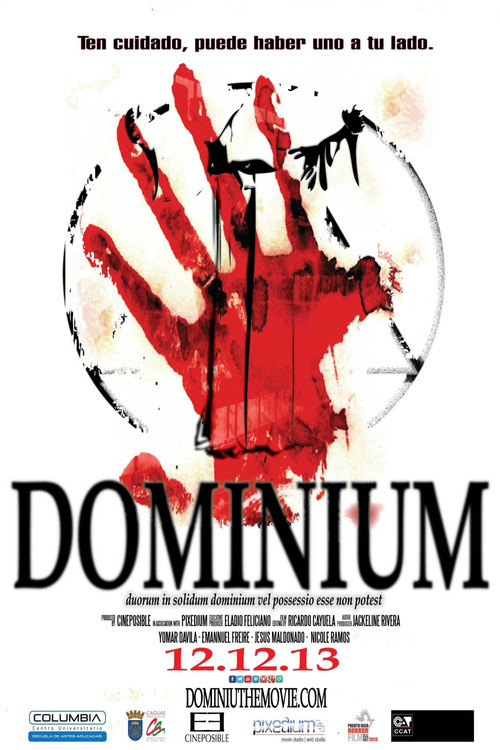
Dominium
2013
No user ratings available yet
Diversity score: 4.9 out of 10
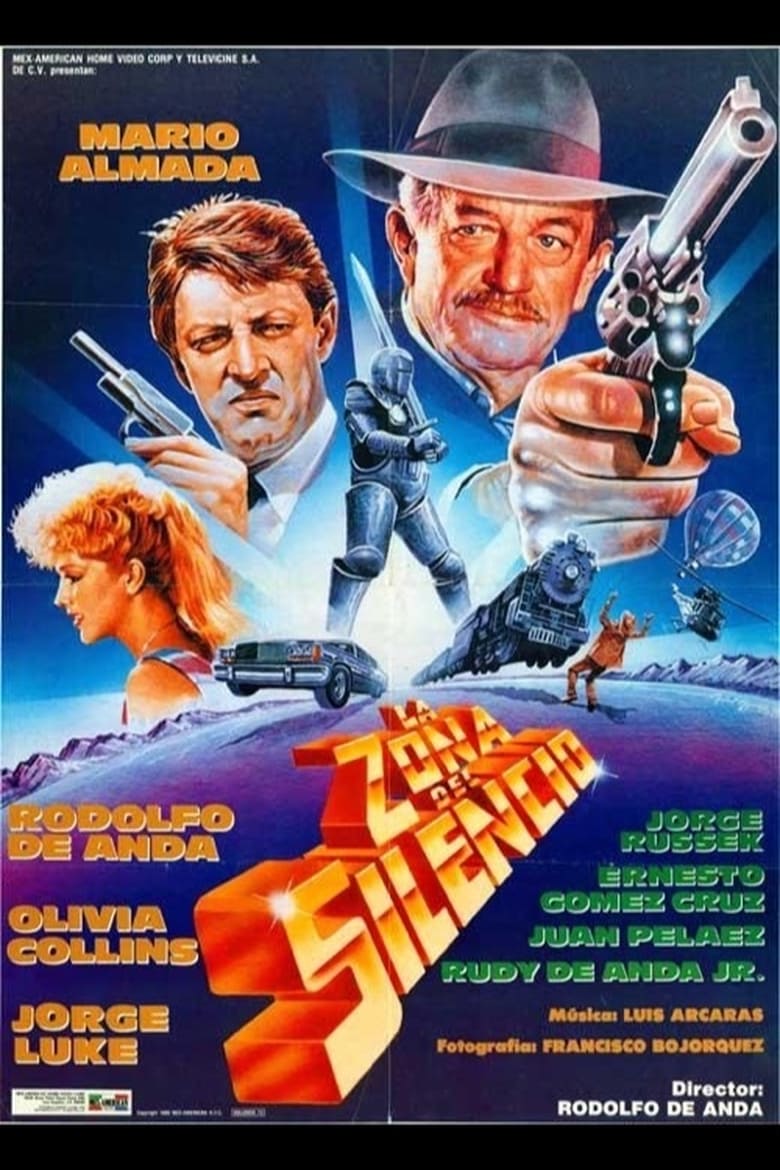
1990
Director
Rodolfo de Anda
Runtime
82 minutes
Average Rating
No ratings yetSynopsis
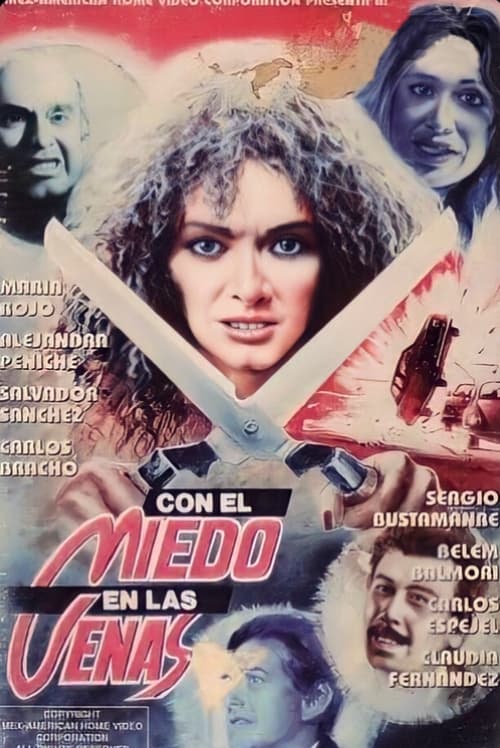
Several fantastic stories occur in the Mexican "Zone of Silence." It begins in the 1920s when a man steals a train and then flees to enter the present. Another man finds a colonizer guarded by a ghost treasure, two girls are attacked by an evil car and finally a man steals money, then he flees to enter the past.
Overall Score
Limited
Category Breakdown
LGBTQ+ Representation
The film lacks visible LGBTQ+ characters or narratives. The focus remains on traditional horror elements like ghosts and supernatural attacks rather than non-cisnormative identities.
Gender Representation
Female characters appear in the car vignette but primarily serve as subjects of peril. There is no evidence of subverting gender hierarchies or portraying non-traditional roles.
Racial & Ethnic Diversity
As a Mexican production, the film centers a non-Anglo-Saxon perspective. However, it utilizes traditional historical tropes regarding colonizers and treasure rather than intersectional reimagining.
Religious & Cultural Diversity
The story engages with Mexican folklore and local mysticism. It prioritizes individualistic morality and adventure tropes over critiques of systemic oppression or Western institutions.
Disability Representation
There is no mention of characters with visible or invisible disabilities. The narrative centers on supernatural phenomena rather than neurodivergence or physical disability.
Strengths
Areas for Improvement
AI Analysis
Rodolfo de Anda’s anthology film prioritizes the 'fantastic' over the intersectional. It functions as a traditional piece of regional genre cinema, leaning heavily into local legends and supernatural mystery. While the film avoids Hollywood-centric homogeneity by centering a Mexican cultural context, it does not use its narrative to challenge social hierarchies. The episodic structure focuses on folklore and individualistic morality. Ultimately, the work serves as a collection of horror vignettes that favor genre tropes over sociopolitical commentary or the interrogation of identity politics.
2013
2014
1964
1978
2015
1990
2016
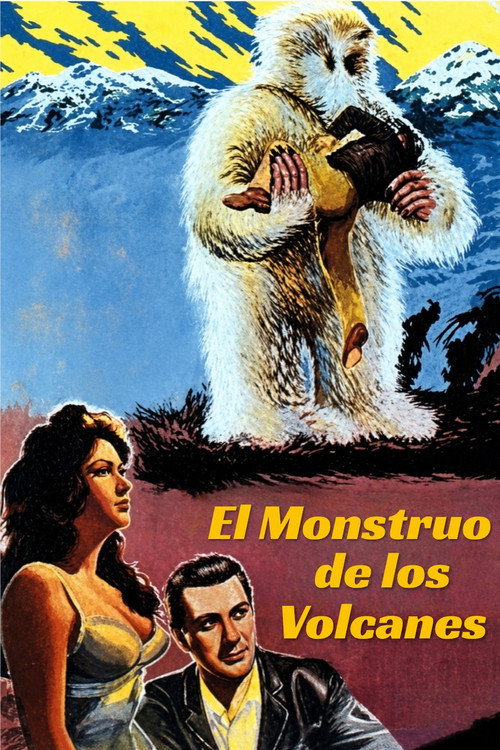
1963
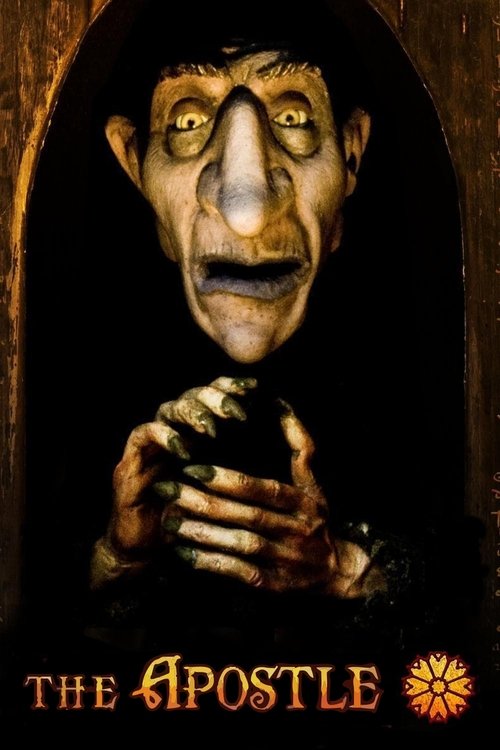
2012
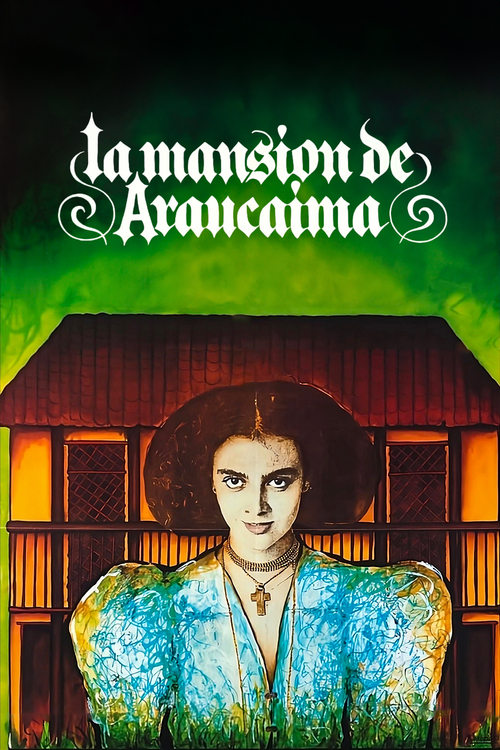
1986
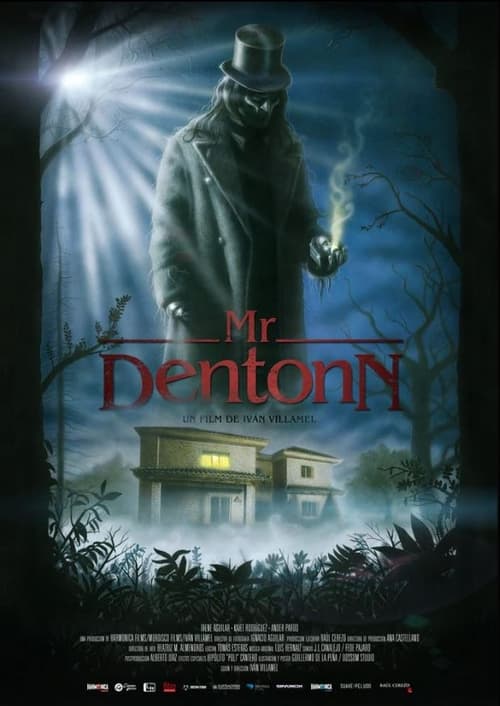
2014
2002
No reviews yet. Be the first to share your thoughts on this movie!
Use the rating form above to leave a star rating and optional review.