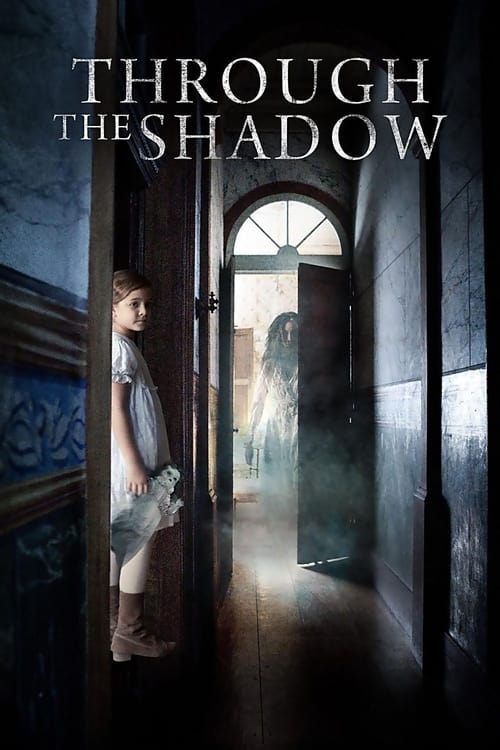
Through The Shadow
2015
No user ratings available yet
Diversity score: 5.9 out of 10

1990
Director
José Luis García Agraz, Juan Mora Catlett, Gerardo Pardo
Runtime
90 minutes
Average Rating
No ratings yetSynopsis
Compilation tape of Hora Marcada episodes.
Overall Score
Fair
Category Breakdown
LGBTQ+ Representation
The anthology format offers potential for varied character studies, but there is no evidence of non-cisnormative identities. Representation remains at a baseline level typical of 1990s Mexican genre television.
Gender Representation
Women often occupy roles of vulnerability or central supernatural conflict within this era's horror tropes. While the episodic structure allows for diverse agency, no systemic subversion of gender hierarchies is evident.
Racial & Ethnic Diversity
As a Mexican production, the film naturally centers Latin American demographics and non-Anglo-Saxon perspectives. This provides a distinct departure from the homogeneous casting often seen in Western horror of the same period.
Religious & Cultural Diversity
The narrative likely engages with themes of morality and the supernatural through standard genre conventions. However, there is no evidence of explicit anti-institutional or anti-capitalist themes.
Disability Representation
Physical or mental impairments in this era of horror were frequently used as plot devices or signifiers of the uncanny. There is no evidence of characters with disabilities possessing high agency.
Strengths
Areas for Improvement
AI Analysis
The film's diversity is primarily driven by its regional origin. As a product of Mexican television, it inherently avoids the white-centric casting common in Hollywood horror, providing a necessary non-Western perspective. However, the anthology format limits the ability to verify deep, intersectional character arcs. The episodic nature means the work relies more on genre tropes than on progressive, character-driven representation. Ultimately, while the cultural context is diverse, the specific portrayals of gender and disability appear to follow traditional horror conventions rather than subverting them.
2015
2013
1990
1978
1973
2014
1964
1965

2017
1986
1973
2011
No reviews yet. Be the first to share your thoughts on this movie!
Use the rating form above to leave a star rating and optional review.