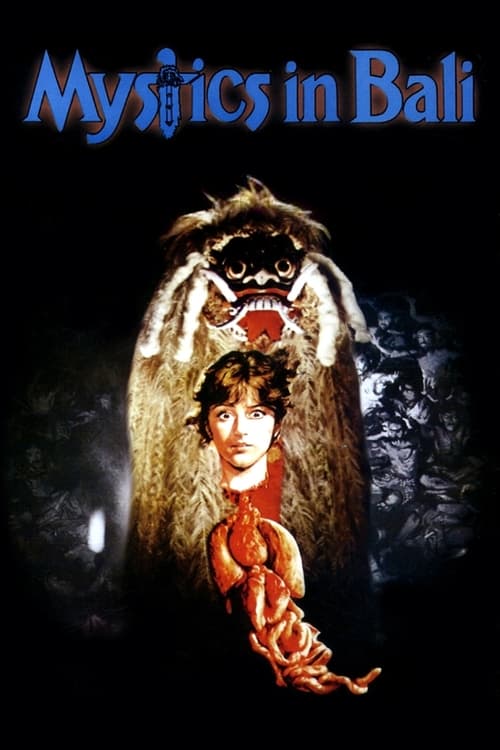
Mystics in Bali
1981
No user ratings available yet
Diversity score: 5.6 out of 10
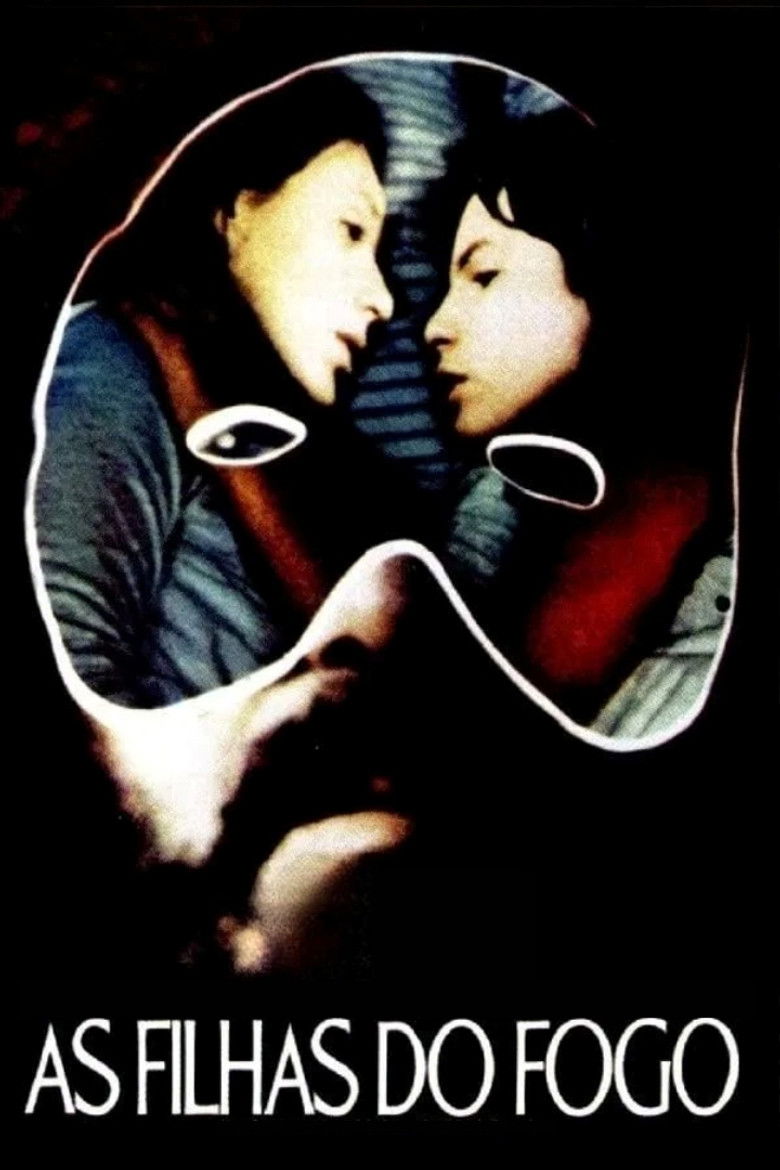
1978
Director
Walter Hugo Khouri
Runtime
98 minutes
Average Rating
No ratings yetSynopsis
A young woman living in São Paulo goes to Gramado to visit a friend of hers. Together, they meet an odd woman who engages in strange experiences through parapsychology. From then on, bizarre events are bound to happen.
Overall Score
Fair
Category Breakdown
LGBTQ+ Representation
The film focuses on heteronormative eroticism and psychological tension. It lacks explicit depictions of queer romantic arcs or non-cisnormative identities.
Gender Representation
Female characters drive the psychological and erotic momentum of the story. The film subverts traditional hierarchies by prioritizing female agency and sexuality.
Racial & Ethnic Diversity
The production features a predominantly Brazilian cast and setting. This provides a non-Western perspective that resists Hollywood's typical Anglo-centric norms.
Religious & Cultural Diversity
The narrative favors personal liberation and subjective morality over rigid religious institutions. It explores obsession rather than overt political or anti-capitalist messaging.
Disability Representation
There are no discernible depictions of physical or neurodivergent disabilities. The focus remains on parapsychological phenomena and psychological states.
Strengths
Areas for Improvement
AI Analysis
Walter Hugo Khouri’s work functions as a sophisticated deconstruction of traditional cinematic structures. By centering the female gaze, the film challenges mid-century patriarchal norms and replaces female passivity with intellectual and erotic autonomy. The film excels in its cultural positioning, offering a Brazilian perspective that avoids the homogenization of globalized media. Its exploration of moral relativism and sensory truth provides a nuanced alternative to conventional social stability. However, the film remains limited in its representation of specific identities. It lacks overt LGBTQ+ presence and does not address disability, focusing instead on the internal psychological landscape.
1981
2015

1990

1986

1993
2014

2017

1978
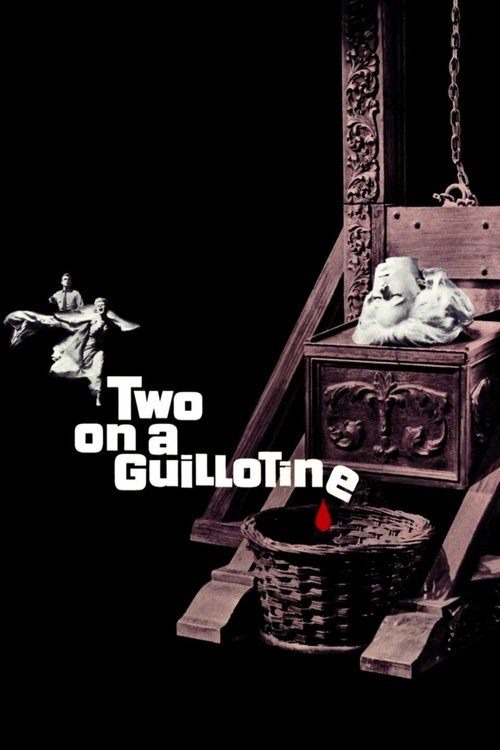
1965
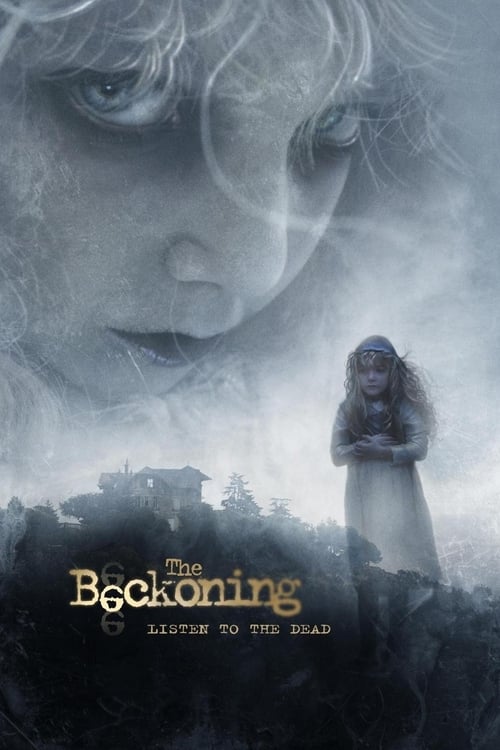
2009

1986

1982
No reviews yet. Be the first to share your thoughts on this movie!
Use the rating form above to leave a star rating and optional review.