
The Girl From The Marsh Croft
1934
No user ratings available yet
Representation score: 7.4 out of 10
Representation Score
Minimal
1934
Director
Hans Steinhoff
Runtime
121 minutes
Average Rating
No ratings yetNew Showbiz Analysis
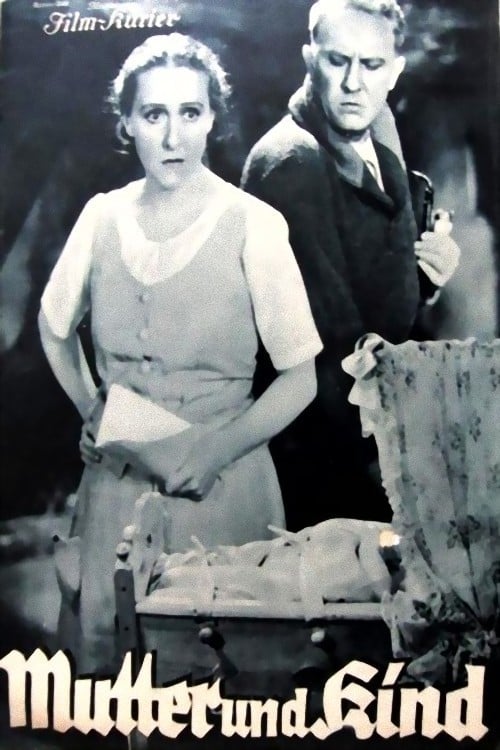
Mother and Child is a period drama that reinforces established social, familial, and class hierarchies. The plot relies on traditional archetypes, such as the desperate couple and the working-class maid, to drive a narrative about socioeconomic desperation. While Anna's decision to flee with her child provides a rare moment of individual ability to act, this does not translate into a broader critique of social structures. The film remains rooted in the conventional norms of 1934, prioritizing domestic stability and property ownership. Ultimately, the work lacks a multi-layered approach. It presents a narrow, culturally specific view of family and class that avoids disrupting the power dynamics of its time.
Category Breakdown
The film strictly follows the assumption that everyone is straight or cisgender. There are no non-cisgender identities present, focusing solely on traditional marriage and biological or adoptive parenting.
Anna provides a moment where she plays a significant role in driving the story by fleeing with her child to break a social contract. However, her actions are framed through maternal crisis rather than challenging broader gender norms.
The narrative depicts a homogeneous social structure with no evidence of racial blending or diverse ethnic perspectives within this localized class struggle.
The story emphasizes the sanctity of the family unit and social stability, operating within the moral frameworks of its era, focusing on property and traditional social contracts.
There is no mention of characters with visible or invisible disabilities in the narrative.
Present on Screen
Limited or Absent
Official Synopsis
Consul Petersen and his wife are desperate, because they lost their only child and can’t have another. At the same time, the maid Anna is expecting a child, whose father, Jurgen, works in a sawmill. When both of them lose their jobs, they fear they won’t be able to feed the newborn. Thus, they strike a deal with the Petersens, which works for both couples: Anna and Jurgen will receive a farm from the Petersens, free and clear; and the two will allow the Petersens to adopt the child. Anna and Jurgen marry and are quite happy; but when the child is finally born, Anna doesn’t wish to surrender him and flees with the child into the Wattenmeer.
1934

1929

1935

1920

1925

2005

1938
1923
No reviews yet. Be the first to share your thoughts on this movie!
Use the rating form above to leave a star rating and optional review.