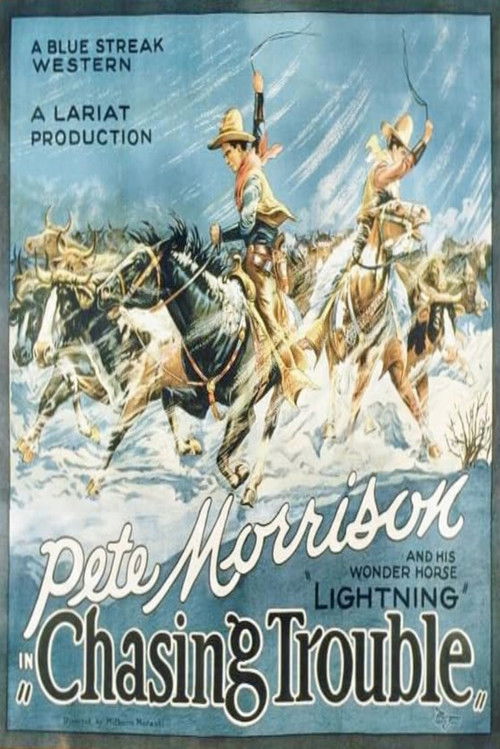
Chasing Trouble
1926
No user ratings available yet
Representation score: 1.7 out of 10
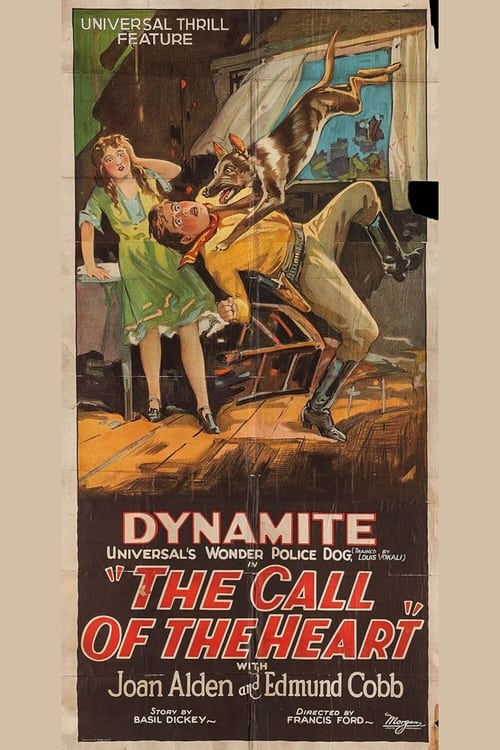
Representation Score
Minimal
1928
PassedDirector
Francis Ford
Runtime
50 minutes
Average Rating
No ratings yetNew Showbiz Analysis
Francis Ford’s Western film follows traditional hero archetypes and moral binaries common in early Hollywood. The story focuses on land ownership and homesteading rights in a frontier context. The film upholds established social and gender hierarchies without challenging them. Ultimately, it lacks complexity in representing multiple aspects of identity and relies on the conventions of silent-era cinema to tell a localized story of survival and conflict.
Category Breakdown
The film does not include any characters with LGBTQ+ identities or non-straight relationships. The storyline revolves around homesteading and territorial conflicts, reflecting the social norms of the 1920s.
Molly O'Day plays a key role in the struggle but is portrayed primarily as needing protection. The presence of Jerry Wilson emphasizes traditional gender roles and hierarchies.
The film depicts the American frontier in a homogeneous manner, typical of 1920s cinema. There is no indication of a diverse or non-Anglo-Saxon cast.
Themes center on individual property rights and the resilience of settlers. The film does not critique or subvert Western institutional norms.
There is no evidence of characters with visible or invisible disabilities in the narrative.
Present on Screen
Limited or Absent
Official Synopsis
Molly O'Day and her brother, Josh, are homesteading on and trying to make a living on a piece of government land, but local rancher Dave Crenshaw claims the land is part of his holdings, and he and his henchmen try to drive the O'Days off. Cowhand Jerry Wilson and his dog, Dynamite, come to their aid against Crenshaw.
1926
1940
1935
1930
1943
1930
1933

1934
No reviews yet. Be the first to share your thoughts on this movie!
Use the rating form above to leave a star rating and optional review.