
Illegal in Blue
1995
No user ratings available yet
Representation score: 2.1 out of 10
Representation Score
Good
1995
RDirector
Don Boyd
Runtime
90 minutes
Average Rating
No ratings yetNew Showbiz Analysis
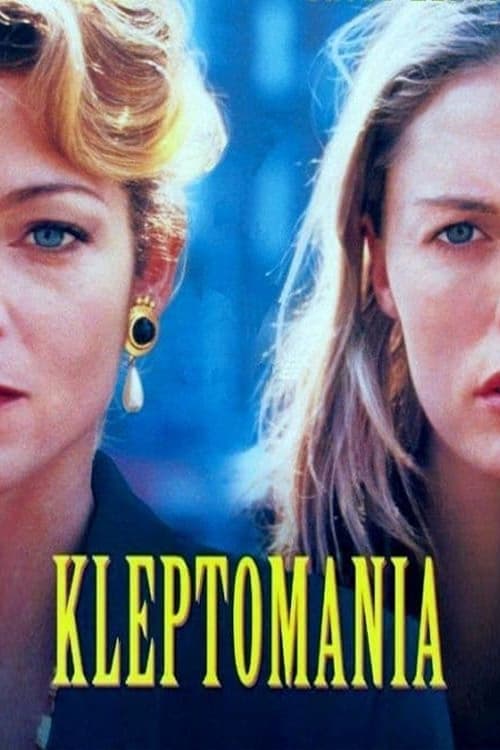
Kleptomania explores the intersection of psychological instability and social dysfunction. By centering on two women from vastly different backgrounds, the film shifts focus away from male-driven action toward complex female experiences. The narrative succeeds in deconstructing religious and moral authority, using characters like a corrupt priest to challenge systemic power. However, the film lacks visible evidence of racial or LGBTQ+ the way different parts of someone's identity overlap. While the exploration of eating disorders provides a window into mental health, the film's overall impact is limited by a lack of documented diversity in its cast and social identities.
Category Breakdown
The film does not include explicit LGBTQ+ identities or non-straight relationships. The story focuses on a female friendship, but the presence of a husband indicates a traditional family structure.
The story disrupts typical gender hierarchies by centering on women's ability to drive the story and psychological complexity. It avoids traditional domestic roles, focusing instead on the chaotic internal experiences of its female protagonists.
There is no evidence of racial or ethnic diversity within the cast. The character archetypes may reflect the homogeneous casting often found in mid-90s independent dramas.
The film challenges Western institutions by portraying a corrupt priest and systemic violence. It uses theft to deconstruct traditional moral frameworks in favor of situational necessity.
Bulimia and psychological instability serve as central narrative drivers. While this gives ability to act to characters with invisible disabilities, these conditions risk being used as mere thriller plot devices.
Present on Screen
Limited or Absent
Official Synopsis
Diana is a troubled, bulimic socialite who lives with her loving husband and shoplifts to get herself off. Julie is an unstable, homeless rape victim who lives with a corrupt priest and steals to survive. They form an uneasy friendship.
1995
1970
1996
1970

2003

1959

2002
1989
No reviews yet. Be the first to share your thoughts on this movie!
Use the rating form above to leave a star rating and optional review.