Little Palestine: Diary of a Siege
2021
No user ratings available yet
Representation score: 6.5 out of 10
Representation Score
Good
2019
PG-13Director
Feras Fayyad
Runtime
107 minutes
Average Rating
No ratings yetNew Showbiz Analysis
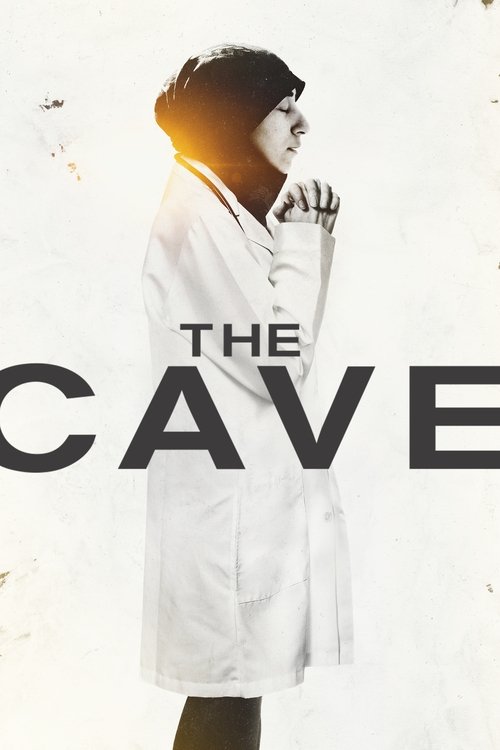
The Cave is a powerful documentary that subverts traditional wartime hierarchies by centering female medical professionals. It provides a localized, internal view of the Syrian conflict, emphasizing the ability to act of those navigating geopolitical upheaval. The film excels by presenting complex identities—the intersection of gender, nationality, and professional expertise—within a landscape of systemic crisis. It avoids the common pitfall of portraying non-Western populations solely as victims. While the film lacks LGBTQ+ representation, its strength lies in its profound deconstruction of institutional efficacy and its focus on grassroots resilience in the face of systemic devastation.
Category Breakdown
The film focuses on the immediate, high-stakes realities of medical triage and survival. There are no depictions of LGBTQ+ identities or narratives within this context.
The narrative centers on Dr. Amani and her team of female doctors, who occupy positions of absolute authority and leadership. These women serve as the primary architects of survival, challenging conventional stereotypes of passivity.
The film offers an authentic portrayal of Syrian identity, moving beyond Western-centric perspectives. It centers a Middle Eastern cast in positions of professional expertise, avoiding common victimhood clichés.
The film critiques global power dynamics and the failure of international institutions. It presents a narrative where local populations must rely on grassroots, communal resilience rather than external political frameworks.
The documentary provides a raw look at physical disability and trauma caused by warfare. These depictions focus on the systemic causes of injury and the complex medical realities of impairment.
Present on Screen
Limited or Absent
Official Synopsis
Deep beneath the surface in the Syrian province of Ghouta, a group of female doctors have established an underground field hospital. Under the supervision of paediatrician Dr. Amani and her staff of doctors and nurses, hope is restored for some of the thousands of children and civilian victims of the ruthless Syrian civil war.
2021
2016
2014
2011
2020
2019
2017
2019
No reviews yet. Be the first to share your thoughts on this movie!
Use the rating form above to leave a star rating and optional review.