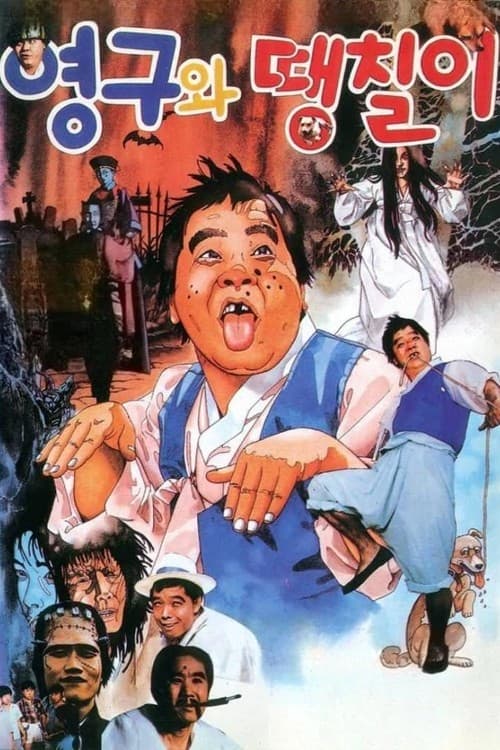
Younggu and Ddaengchili
1989
No user ratings available yet
Diversity score: 3.4 out of 10
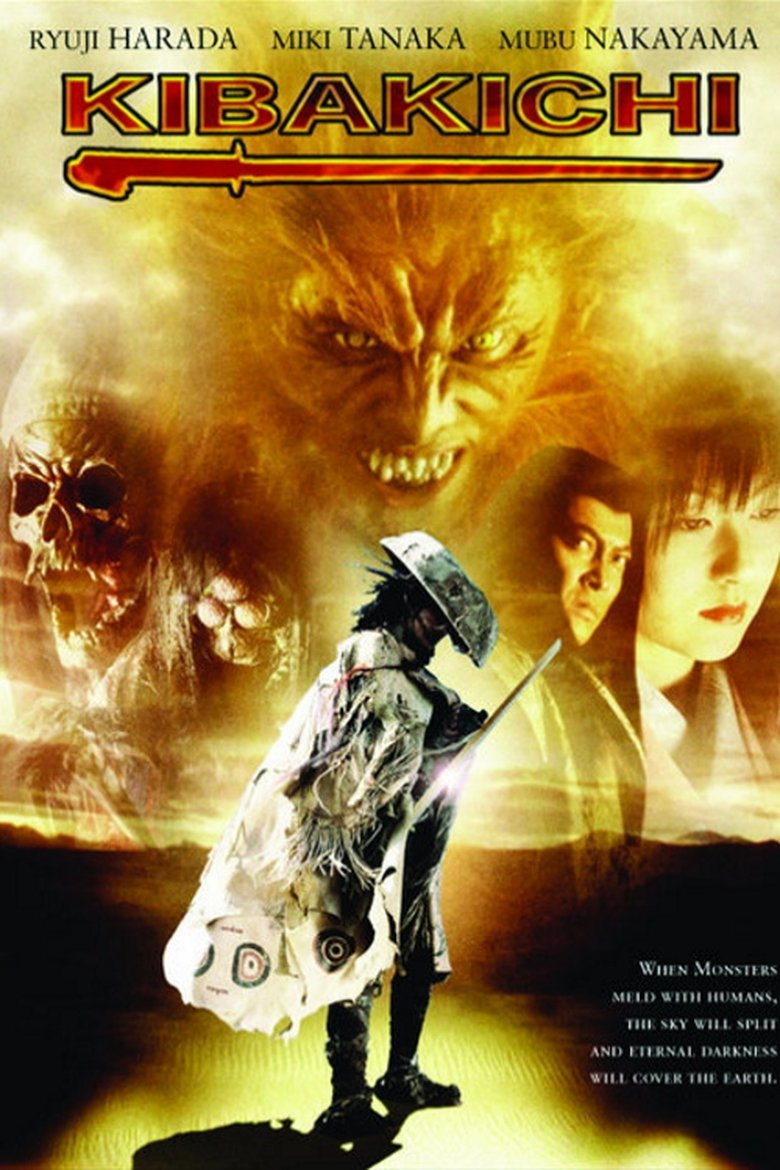
2004
RDirector
Tomoo Haraguchi
Runtime
97 minutes
Average Rating
No ratings yetSynopsis
A werewolf samurai walks the countryside, finding himself in the middle of a village of monsters who feed on human flesh.
Overall Score
Fair
Category Breakdown
LGBTQ+ Representation
The plot focuses on a survivalist conflict between a werewolf and a village of monsters. There is no explicit evidence of non-cisnormative identities or same-sex intimacy.
Gender Representation
The narrative centers on a male-coded samurai protagonist. While the monster trope can subvert masculine roles, there is no evidence of nuanced gender hierarchies or female empowerment.
Racial & Ethnic Diversity
Set in feudal Japan, the film likely reflects the era's ethnic homogeneity. However, the use of monsters and werewolves serves as a metaphor for exploring 'otherness' and marginalized status.
Religious & Cultural Diversity
The film explores situational ethics through a protagonist navigating a world of monsters. The portrayal of religious or state institutions remains undocumented in the current summary.
Disability Representation
There is no documented evidence regarding the portrayal of physical or neurodivergent disabilities within the available narrative summary.
Strengths
Areas for Improvement
AI Analysis
Kibakichi is a genre-driven piece that utilizes fantasy tropes to explore themes of alienation and outsider status. By centering on a werewolf samurai, the film creates a framework where non-human entities can serve as metaphors for social marginalization. However, the film lacks explicit intersectional depth. The narrative architecture appears focused on the conflict between a singular protagonist and a community of monsters, leaving little room for visible representation of gender or sexual orientation. Ultimately, while the 'monster' motif provides a foundation for exploring the outsider perspective, the lack of specific character development prevents a higher diversity rating.
No reviews yet. Be the first to share your thoughts on this movie!
Use the rating form above to leave a star rating and optional review.