We Were Young
1961
No user ratings available yet
Representation score: 3.9 out of 10
Representation Score
Limited
1964
Director
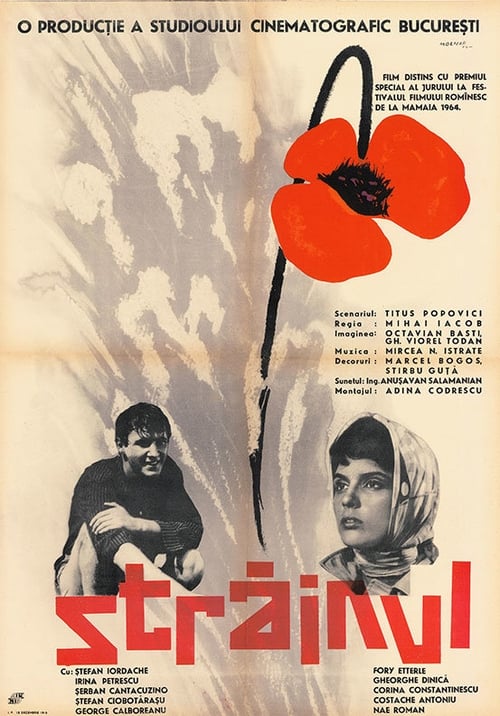
Mihai Iacob
Runtime
158 minutes
Average Rating
No ratings yetNew Showbiz Analysis
The Stranger is a period-specific psychological drama that operates within the conventional narrative frameworks of 1964. It prioritizes individual tension and the impact of World War II on personal relationships over social subversion. The film reflects the traditional social structures of its era, focusing on a localized Romanian context. It lacks the multi-layered complexity or intentional deconstruction of hierarchies found in modern progressive cinema. Ultimately, the work serves as a study of wartime survivalist ethics and romantic conflict rather than a platform for diverse representation.
Category Breakdown
The film follows a traditional love triangle between two males and one female, adhering to the heterosexual norms typical of mid-century period dramas.
A young woman serves as the emotional focal point, but the narrative is driven by male conflict. Power dynamics reflect traditional hierarchies where female influence is largely reactive.
Set in 1944 Romania, the cast reflects a homogeneous ethnic landscape. The film focuses on a localized psychological study rather than exploring multi-layered ethnic diversity.
The story examines the tension between individuals and their community during wartime upheaval. It critiques local social rigidity through its central motif of the stranger.
There is no discernible evidence regarding the portrayal of physical or neurodivergent disabilities within the film's narrative.
Present on Screen
Limited or Absent
Official Synopsis
The love of two adolescents for the same girl, in 1944, which is disrupted by the demands of war. From the novel by Titus Popovici.
1961
1957

1965

1960
1994
1958
1961

2021
No reviews yet. Be the first to share your thoughts on this movie!
Use the rating form above to leave a star rating and optional review.