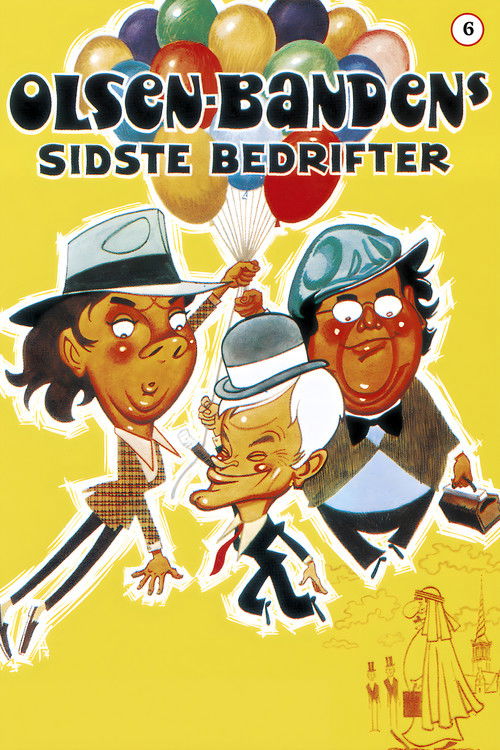
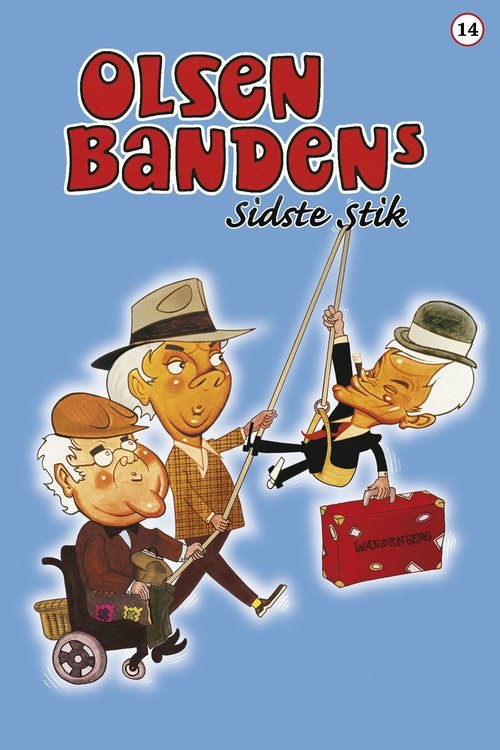
The Last Exploits of the Olsen Gang
1974
No user ratings available yet
Representation score: 1.2 out of 10
Representation Score
Limited
1998
Not RatedDirector
Morten Arnfred, Tom Hedegaard
Runtime
105 minutes
Average Rating
No ratings yetNew Showbiz Analysis
The film operates within a traditionalist framework, prioritizing established character archetypes over progressive social representation. While it offers a spirited anti-establishment subtext, it lacks demographic breadth. The narrative centers on a homogeneous social environment and conventional gender hierarchies. Most ability to act resides with the male protagonists, leaving female characters in secondary, domestic roles. Ultimately, the production favors continuity and classic heist comedy clichés. It succeeds in critiquing institutional rigidity but fails to integrate multi-layered identities or diverse social perspectives.
Category Breakdown
The film sticks to traditional relationship models and does not include any non-cisgender gender identities or critiques of the assumption that everyone is straight or cisgender.
Narrative ability to act is concentrated among the male characters. Female characters, such as Yvonne, serve mainly as domestic foils rather than as independent drivers of the plot.
The casting reflects a highly homogeneous social environment. The film lacks racial or ethnic diversity, presenting a demographic that aligns with the Danish status quo.
The story consistently critiques Western institutions and bureaucratic rigidity. It portrays the protagonists as lovable rogues challenging the integrity of capitalist structures.
Egon's confinement in a psychiatric ward serves as a narrative catalyst. This depiction functions as a plot device for his escape rather than a nuanced exploration of mental health issues.
Present on Screen
Limited or Absent
Official Synopsis
Egon escapes from the psychiatric ward, where he has been incarcerated since the gang's last coup. Keld and Benny pick him up, and when Egon, as always, is planning the big heist, the Olsen Gang is once again on the move.
1974

1973
1975
1971

1981
1977
1981

1968
No reviews yet. Be the first to share your thoughts on this movie!
Use the rating form above to leave a star rating and optional review.