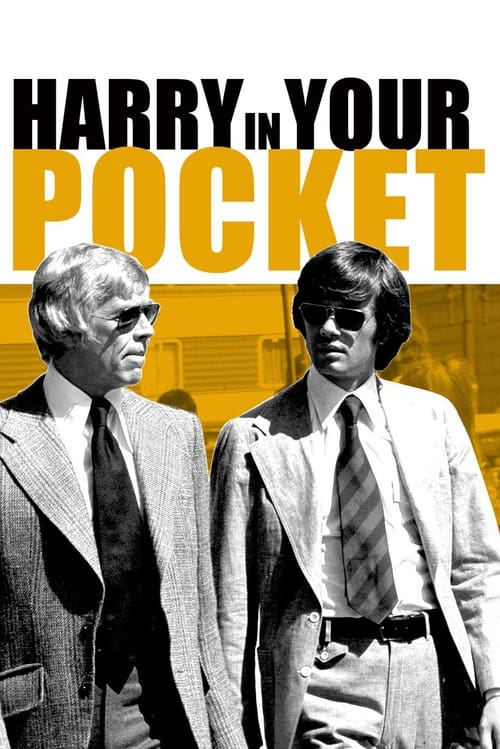
Harry in Your Pocket
1973
No user ratings available yet
Representation score: 2.8 out of 10
Representation Score
Limited
1971
RDirector
Ivan Passer
Runtime
88 minutes
Average Rating
No ratings yetNew Showbiz Analysis
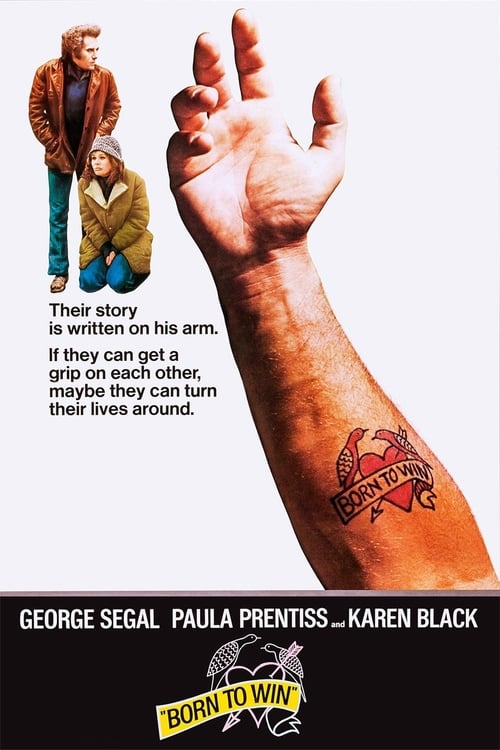
Born to Win is a period-specific character study that emphasizes individual struggle and personal conflict. It captures the gritty, outsider archetypes of the early 1970s through the lens of substance dependency and social tension. However, the film adheres to traditional social norms, focusing on a predominantly white, masculine-centric world without challenging established social or racial hierarchies. Ultimately, the work functions as a traditional character study, exploring the friction between personal impulses and societal norms without actively questioning the gendered or racial hierarchies of its time.
Category Breakdown
The film does not include any LGBTQ+ characters or explore non-straight identities. The story focuses solely on heterosexual relationships and male-dominated conflicts.
The narrative centers on masculine identity and the conflicts between men. It does not provide significant roles for women or challenge traditional gender power dynamics.
The cast and setting are primarily white and working class, with no significant racial diversity or blended cultural representation.
The film examines personal struggles within restrictive environments, focusing on individual experiences rather than a broader critique of societal institutions.
While addiction is a key theme, the film does not give specific attention to the health challenges faced by the characters. It portrays addiction as a character cliché rather than a nuanced exploration of disability.
Present on Screen
Limited or Absent
Official Synopsis
A smart-mouthed junkie and a former hairdresser spends his days looking for just "one more fix".
1973
1981

1977
1961
1980

1955
1979

1971
No reviews yet. Be the first to share your thoughts on this movie!
Use the rating form above to leave a star rating and optional review.