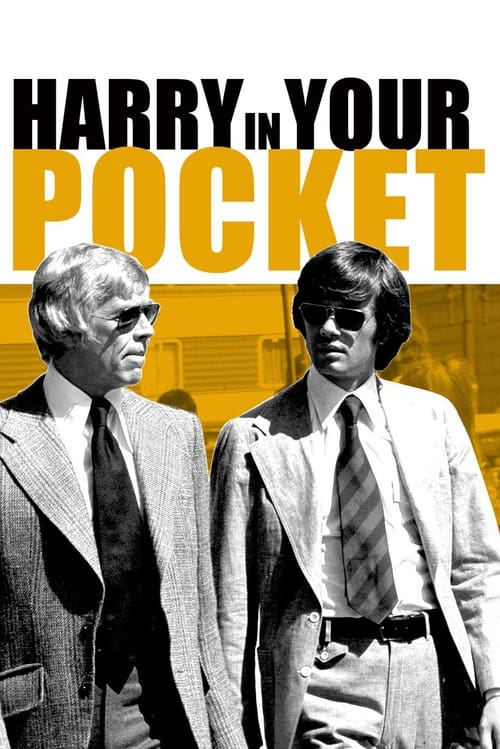
Harry in Your Pocket
1973
No user ratings available yet
Representation score: 2.8 out of 10
Representation Score
Fair
1980
PGDirector
Robert Ellis Miller
Runtime
103 minutes
Average Rating
No ratings yetNew Showbiz Analysis
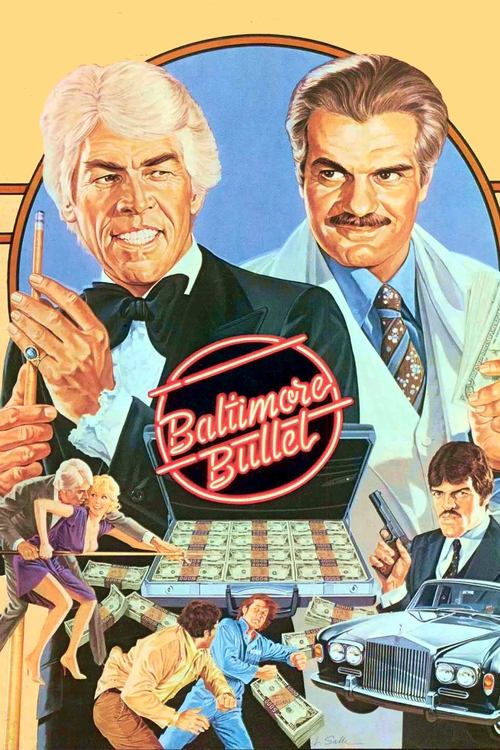
The Baltimore Bullet is a historical satire that emphasizes political commentary over social diversity. It serves as a critique of Cold War-era institutional paranoia, using humor to highlight the fragility of systemic power. Although the film falls short in terms of gender, race, and LGBTQ+ representation, it gains credit for its skeptical view of mid-century political conformity. The narrative centers on the ideological conflicts of the Red Scare era. Ultimately, the film’s influence lies in its deconstruction of patriotism and authority rather than its portrayal of diverse identities.
Category Breakdown
The film does not include any characters who identify as LGBTQ+. The protagonist's isolation is due to political beliefs rather than sexual orientation.
The story follows a traditional mid-century structure where conflicts are driven by men. There is no emphasis on challenging gender roles or highlighting women’s intellectual capabilities.
The cast appears fairly uniform, typical of 1950s-set period comedies. The film focuses on the ideological battles of the Red Scare era rather than issues related to race.
The film stands out by humorously dismantling mid-century American institutions. It criticizes the irrational fears of McCarthyism and questions the stability of conventional political systems.
There are no characters with visible or invisible disabilities that play key roles in the narrative or serve as central devices.
Present on Screen
Limited or Absent
Official Synopsis
A tale of two hustlers trying to set up a big game.
1973

1972
1972
1978
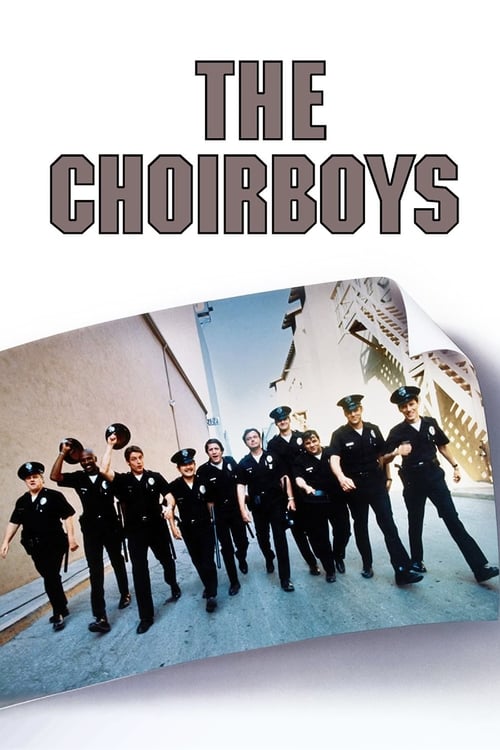
1977
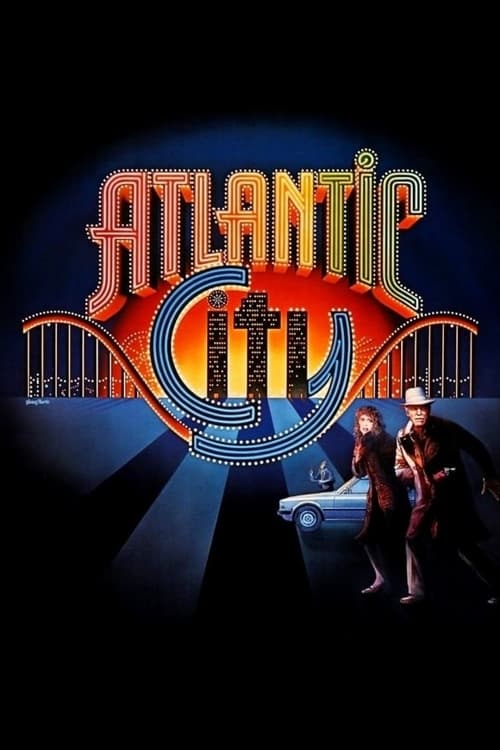
1980
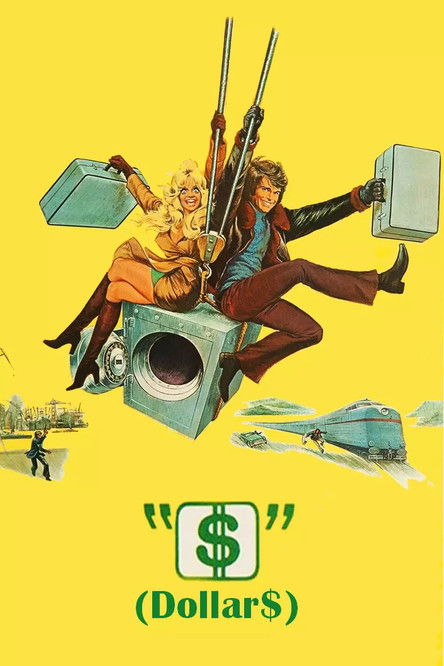
1971
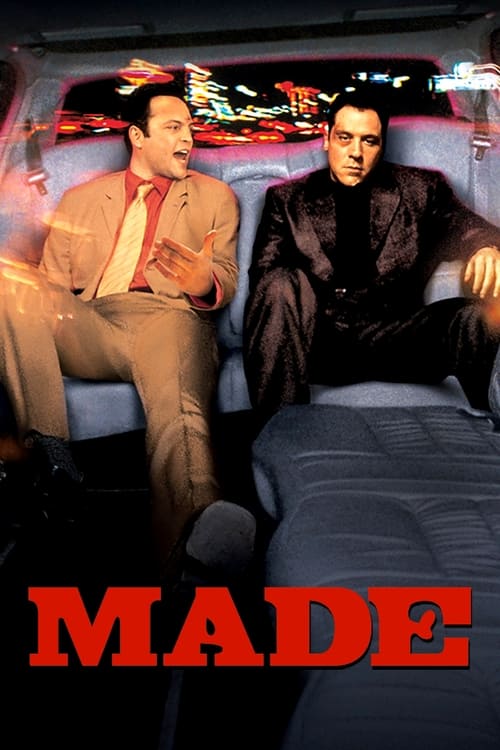
2001
No reviews yet. Be the first to share your thoughts on this movie!
Use the rating form above to leave a star rating and optional review.