Wild Gals of the Naked West
1962
No user ratings available yet
Representation score: 3.4 out of 10
Representation Score
Fair
1968
XDirector
Andy Warhol, Paul Morrissey
Runtime
109 minutes
Average Rating
No ratings yetNew Showbiz Analysis
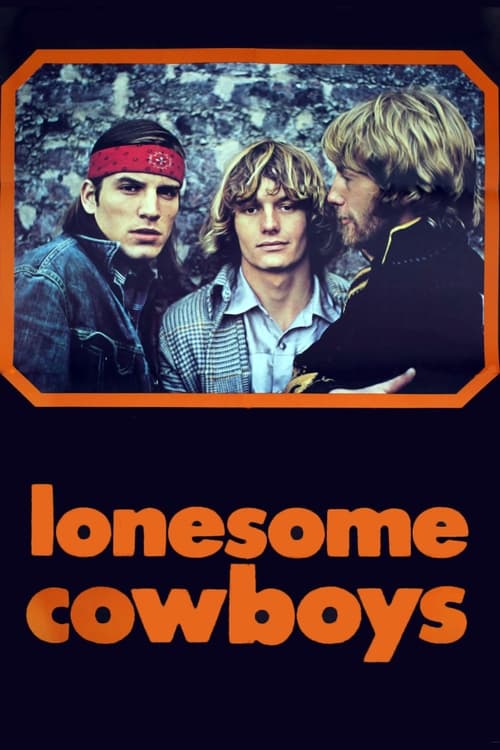
Lonesome Cowboys is a radical postmodern deconstruction of the Western genre. It effectively breaks down the assumptions of traditional Western cinema from the mid-20th century. The film stands out by challenging conventional sexual and gender norms. By focusing on non-traditional intimacy and fluid dynamics, it overturns the established norms of the Western genre. However, the film falls short in representing racial diversity. While it offers a strong critique of cultural myths and identity constructs, the predominantly white cast limits its scope of representation.
Category Breakdown
The film focuses on male-to-male sexual relationships and non-traditional gender expressions. It challenges the Western genre by making queer-coded masculinity a central part of the story instead of a minor subplot.
Traditional gender roles are challenged by avoiding the damsel in distress cliché. The film shows a chaotic, equal social structure without patriarchal frameworks or protector/protected relationships.
The main cast is mostly white, offering little representation of non-Anglo-Saxon identities. The story focuses on social status and the lives of drifters rather than ethnic diversity.
The film questions American cowboy myths by emphasizing moral relativism over traditional values. It portrays anti-social behavior as a form of liberation from religious and societal norms.
There are no prominent depictions of physical or neurodivergent disabilities that play a central role in the narrative.
Present on Screen
Limited or Absent
Official Synopsis
Five lonesome cowboys get all hot and bothered at home on the range after confronting Ramona Alvarez and her nurse.
1962
1970

1967
1961
1976

1974
1987
1972
No reviews yet. Be the first to share your thoughts on this movie!
Use the rating form above to leave a star rating and optional review.