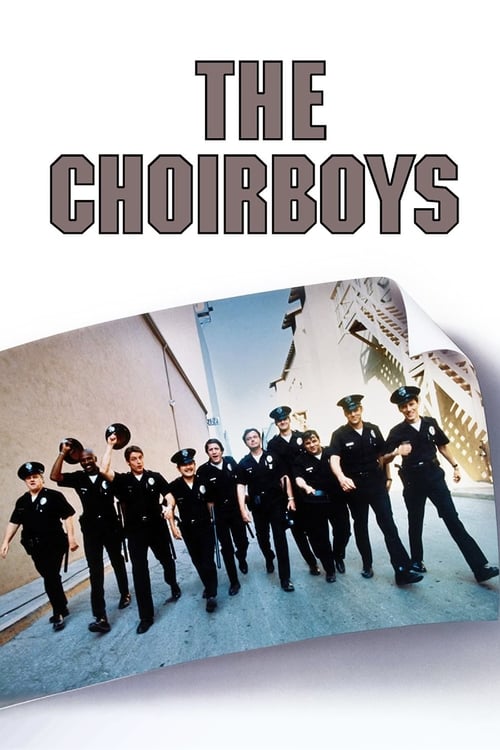
The Choirboys
1977
No user ratings available yet
Representation score: 4.6 out of 10
Representation Score
Limited
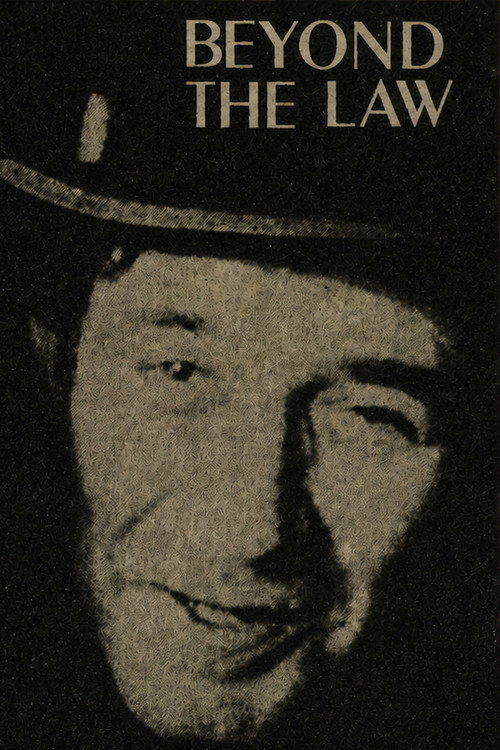
1968
Director
Norman Mailer
Runtime
110 minutes
Average Rating
No ratings yetNew Showbiz Analysis
Norman Mailer’s film provides a gritty, observational look at Manhattan life that rejects polished Hollywood norms. It successfully dismantles the heroic police archetype, presenting a chaotic and potentially oppressive view of law enforcement. However, the film struggles with providing meaningful roles for underrepresented groups. While racial diversity is present, these characters are often depicted as criminals. Women and LGBTQ+ individuals lack substantial narrative roles. Ultimately, the work serves as a critique of Western institutions rather than a progressive study of identity.
Category Breakdown
The film does not explicitly depict LGBTQ+ identities or stories. The focus is on detectives and women interacting in a traditional social setting.
The story focuses on the male perspective of detectives Rocco and Mickey. Female characters appear mainly as social dates and do not significantly drive the plot.
Hispanic and Black characters appear in a police lineup but are shown as suspects being mistreated, limiting their individual roles.
The film critiques idealized law enforcement by showing a dysfunctional precinct where officers mistreat suspects, highlighting institutional authority issues.
There is no evidence of characters with visible or invisible disabilities having significant roles or being central to the narrative.
Present on Screen
Limited or Absent
Official Synopsis
Takes place over the course of one feverish night in a Manhattan police precinct and neighboring bar.
1977
1981
1972
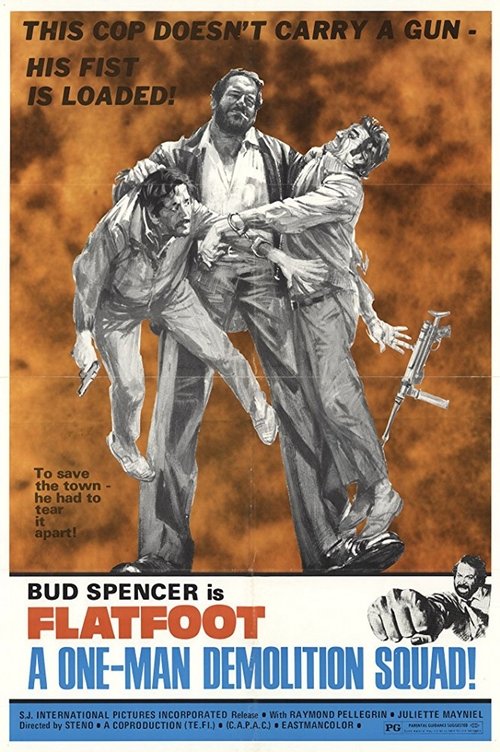
1973
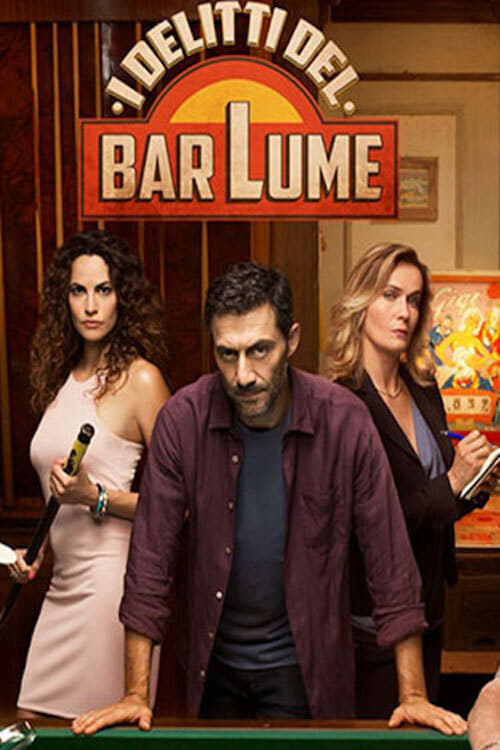
2018
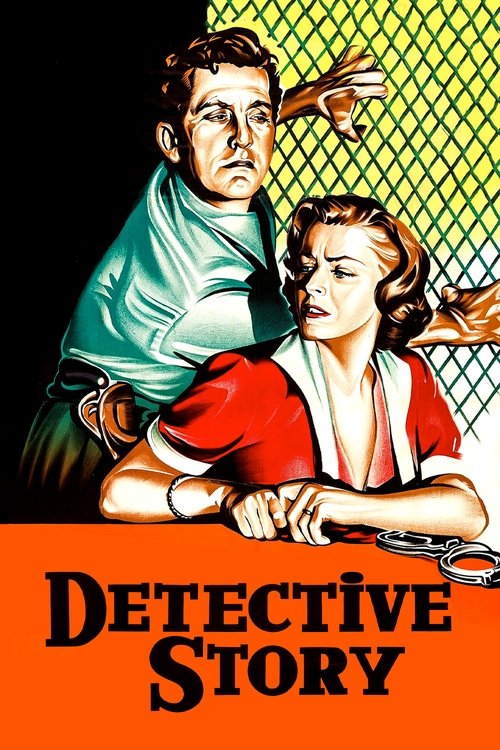
1951
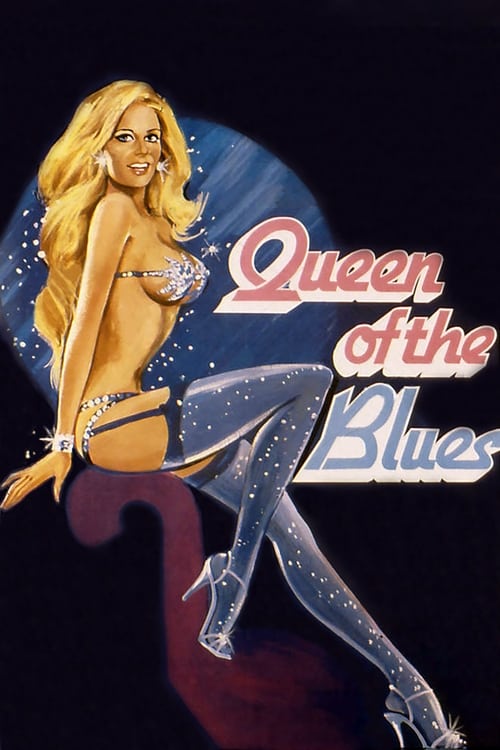
1979
1981
No reviews yet. Be the first to share your thoughts on this movie!
Use the rating form above to leave a star rating and optional review.