
SPEC: Heaven
2012
No user ratings available yet
Representation score: 7.5 out of 10
Representation Score
Good
2000
Director
Yukihiko Tsutsumi
Runtime
119 minutes
Average Rating
No ratings yetNew Showbiz Analysis
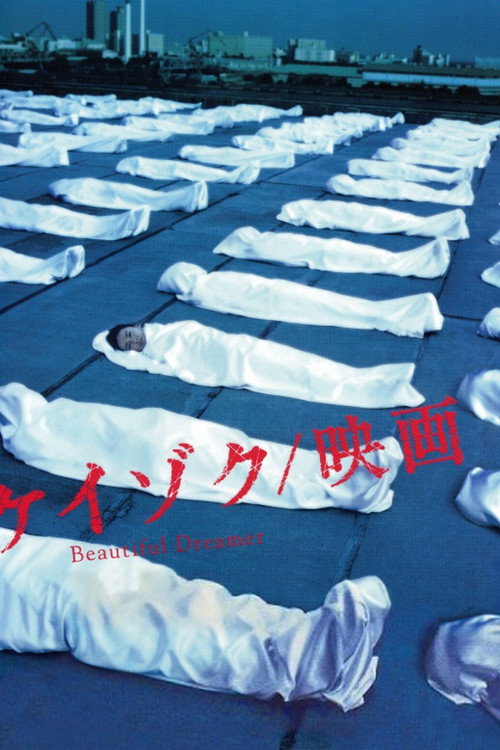
Keizoku: Beautiful Dreamer is a sophisticated deconstruction of the crime genre. It excels at subverting gendered power dynamics, presenting women as competent, central figures in a high-stakes investigative environment. However, the film lacks breadth in demographic representation. The setting is culturally homogeneous, and there is a notable absence of LGBTQ+ visibility or multi-ethnic casting. Ultimately, the film's strength lies in its anti-authoritarian lens and its focus on psychological depth over traditional social hierarchies.
Category Breakdown
The story focuses on the strong professional relationship between two detectives. There are no explicit depictions of same-sex intimacy or non-cisgender identities.
Keiko Aikawa stands out as a stoic, highly capable figure who drives the investigation. She plays a central role, challenging typical submissive female roles in crime dramas.
Set in urban Japan, the cast and setting are predominantly homogeneous. The film does not prioritize multi-ethnic casting.
The narrative critiques institutional authority by showing protagonists operating outside bureaucratic protocols. It emphasizes individual instinct and psychological relativism over rigid systemic truths.
Themes of psychological instability and obsession touch upon mental health complexities. However, these elements serve mainly as plot drivers rather than character-driven explorations of disability.
Present on Screen
Limited or Absent
Official Synopsis
Graduating at the top of her class, elite detective candidate Jun Shibata is transferred to the section that handles cases deemed "unsolvable" by the department. Her partner, though a well-respected and experienced detective, has grown complacent after unsuccesfully pursuing these cases that many consider an exercise in futility. With her upper class breeding, her colleagues don't expect much from her either, but she suprises them all with her motivation and astounding powers of deduction. Well-constructed mysteries and colorful characters abound in this stylish and edgy police drama.
2012

2008

1995

2016

2012

2011
2013
2016
No reviews yet. Be the first to share your thoughts on this movie!
Use the rating form above to leave a star rating and optional review.