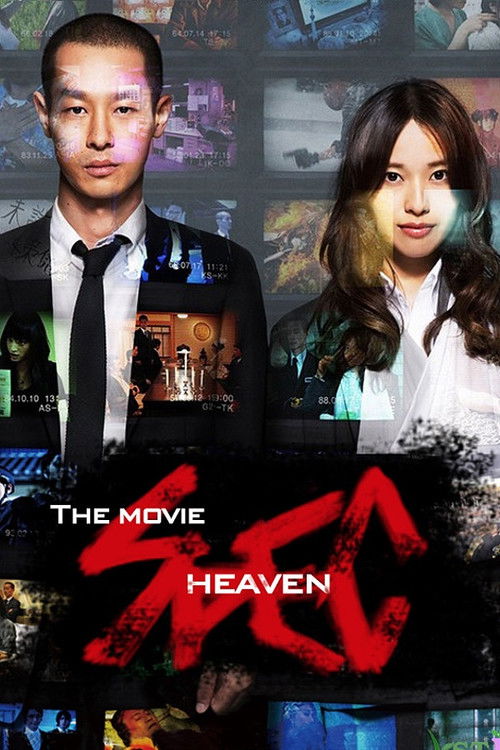
SPEC: Heaven
2012
No user ratings available yet
Representation score: 7.5 out of 10
Representation Score
Good
2012
PG-13Director
Yukihiko Tsutsumi
Runtime
108 minutes
Average Rating
No ratings yetNew Showbiz Analysis
Life is a genre-driven mystery that prioritizes thematic ambiguity and survival mechanics over social representation. The film excels at creating a world of moral relativism where traditional institutional authority is constantly challenged. While the professional setting allows for female characters to hold a significant role in driving the story, the production remains culturally singular. The cast is largely homogeneous, reflecting a specific Japanese urban context without broader multicultural engagement. Ultimately, the film functions as a high-concept thriller, using physical impairment and professional tension to drive its plot, though it lacks significant multi-layered breadth or explicit representation of underrepresented identities.
Category Breakdown
The story focuses on professional survival and high-stakes tension rather than romantic clichés. It does not include explicit representations of LGBTQ+ identities or subversions of gendered intimacy.
Female detectives play significant roles within the Unidentified Crimes Unit, occupying intellectually challenging positions. However, the narrative prioritizes survivalist instincts over a deeper exploration of gendered power dynamics.
The film features a largely homogeneous cast reflecting its urban Tokyo setting. It does not actively engage in multicultural blending or race-bending narratives.
The narrative explores postmodern nihilism and moral relativism through life-or-death scenarios. It challenges traditional authority by emphasizing individual survival against unstable social structures.
Physical vulnerability is addressed through a character returning from a hiatus due to ocular issues. This representation feels more functional to the plot than central to the character's identity.
Present on Screen
Limited or Absent
Official Synopsis
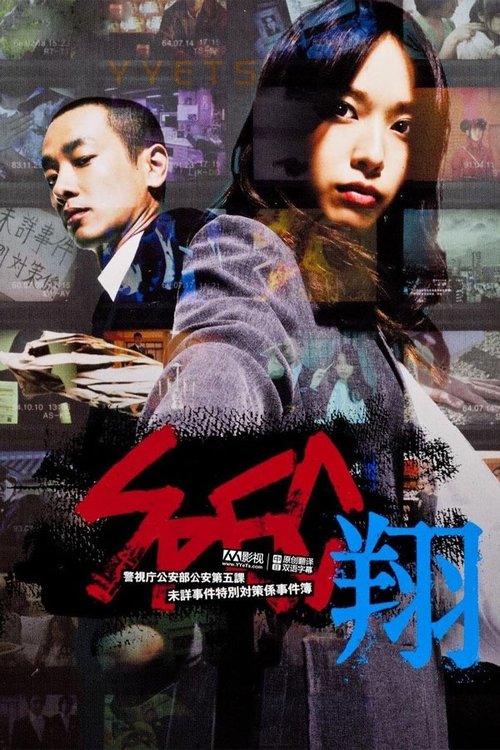
Set one year after the fight between detectives Saya Toma, Takeru Sebumi, and Satoshi Chii. More confrontations ensues between the detectives at the Unidentified Crimes Unit of the Tokyo Metropolitan Police Department. Takeru Sebumi returns after taking a break due to his eye problems. Kenzo Ichiyanagi is appointed section chief, while Kotaro Nonomura is demoted. New member Shu Kikkawa joins the team.
2012
2009
2015

2023
2000

2017
2012
2013
No reviews yet. Be the first to share your thoughts on this movie!
Use the rating form above to leave a star rating and optional review.