Danton
1983
No user ratings available yet
Representation score: 1.7 out of 10
Representation Score
Fair
1992
Director
Édouard Molinaro
Runtime
90 minutes
Average Rating
No ratings yetNew Showbiz Analysis
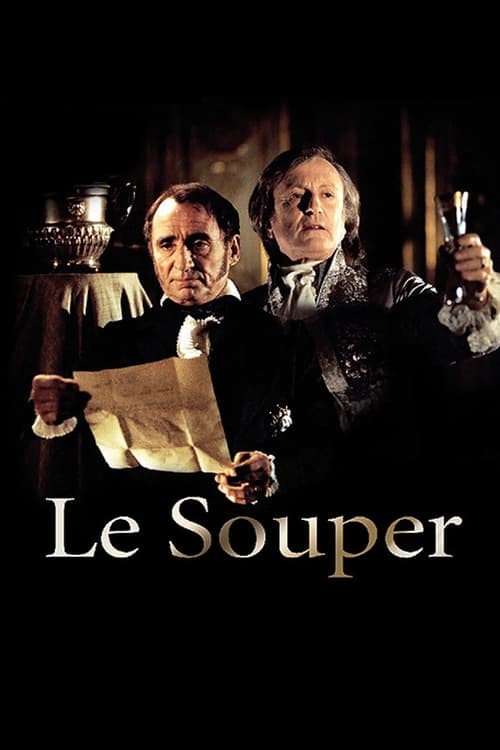
The Supper presents a striking contrast between its narrow demographic scope and its radical thematic subversion. While the cast is historically homogeneous and lacks LGBTQ+ or racial diversity, the film excels in its portrayal of women's ability to drive the story. By centering the plot on women who navigate isolation through transgressive means, the film avoids the trap of the passive female cliché. This provides a strong counterweight to the lack of characters who reflect more than one aspect of diversity. Ultimately, the film's strength lies in its cultural critique. It uses dark farce to dismantle traditional Western moral hierarchies and the sanctity of the family unit, offering a profound look at survival over social convention.
Category Breakdown
The film does not include any visible LGBTQ+ characters or narratives focused on non-straight relationships. The character dynamics are based on traditional marital structures without any queer subtext or identity-based critiques.
The narrative challenges conventional gender power dynamics by centering female protagonists who take control through transgressive acts, bypassing male-dominated social structures. These women reclaim ability to act by challenging passive domestic roles.
The production features a homogeneous cast reflective of its specific historical setting in France. There is no evidence of color-blind casting or the inclusion of non-white characters.
The film deconstructs Western institutions by portraying anti-social behavior as a survival mechanism. It depicts the traditional domestic structure as a site of absurdity rather than stability, critiquing established social norms.
There is no significant depiction of visible or invisible disabilities that drive the plot or serve as central character arcs.
Present on Screen
Limited or Absent
Official Synopsis
France, 1815. After his defeat at Waterloo, Napoleon heads for exile. Royalists occupy Paris and attempt to restore the monarchy. However, the battle doesn't seem to be over. On July 6, Talleyrand, a shrewd politician of flexible convictions, invites chief of police and zealous revolutionary Fouché to supper and tries to convince him to serve the king. Over the meal they insult each other, accuse each other, and, at first sight, look like mortal enemies. But they definitely have one thing in common: they are both power-hungry.
1983

1970
2012
1963
1990
2000

1985

1977
No reviews yet. Be the first to share your thoughts on this movie!
Use the rating form above to leave a star rating and optional review.