
White Night Wedding
2008
No user ratings available yet
Representation score: 3.6 out of 10
Representation Score
Limited
2026
Director
Joseph Hsu
Runtime
130 minutes
Average Rating
No ratings yetNew Showbiz Analysis
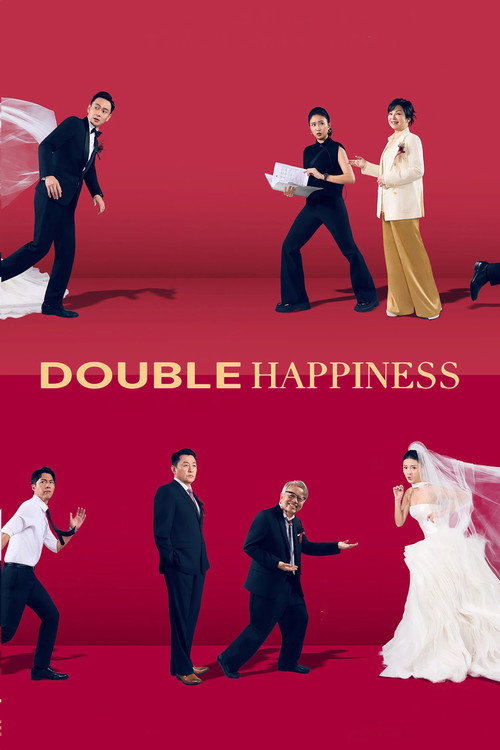
Double Happiness (2026) excels in racial and cultural authenticity, centering an Asian cast and Chinese traditions without a Western gaze. Women wield real power, yet the story still orbits Tim’s emotional arc, limiting gender balance. The film’s cultural critique is sharp, treating family expectations as sources of trauma rather than comfort. However, the complete absence of LGBTQ+ characters and disabled individuals narrows its representational scope. Overall, the film offers strong cultural specificity and capable female characters but falls short in broader inclusivity, resulting in a moderate diversity score.
Category Breakdown
No LGBTQ+ characters or relationships appear in the film. The central romance is strictly between Tim and his fiancée Daisy, leaving queer identities absent from the narrative.
Women like Carina and Regina hold powerful, demanding roles that drive conflict. Yet Tim remains the central figure whose choices and emotional journey dominate the story.
The cast is predominantly Asian, set across Taiwan and Hong Kong. The narrative centers Chinese cultural traditions like Feng Shui without relying on white characters or Western perspectives.
Traditional family structures and parental authority are portrayed as intense, controlling forces. The story questions whether inherited traumas and strict expectations should be passed to the next generation.
No characters with physical or mental disabilities are shown or identified. The narrative does not engage with disability representation in any visible or meaningful way.
Present on Screen
Limited or Absent
Official Synopsis
Tim Kao, the meticulous head chef of a five-star hotel in Taiwan, is set to marry his Hong Kong fiance Daisy Wu. But Tim’s divorced parents refuse to attend the same ceremony, and each insists on hosting their own. To complicate things further, the Feng Shui master chooses the same auspicious date for both events. Tim, Daisy, their wedding planner Regina, and the best man Tsai must orchestrate two weddings simultaneously in the same hotel, without either parent finding out. Surrounded by a strict father, a demanding mother, and a cast of sharp-tongued relatives, Tim must confront the traumas of his upbringing and ask himself: is he truly ready to start a new family of his own?
2008
1993

2025
1994
2010
2022
2020

2008
No reviews yet. Be the first to share your thoughts on this movie!
Use the rating form above to leave a star rating and optional review.