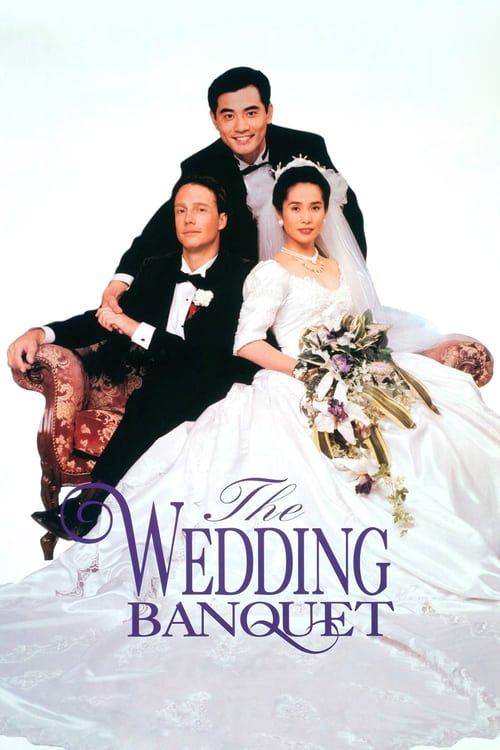
The Wedding Banquet
1993
No user ratings available yet
Representation score: 7.0 out of 10
Representation Score
Fair
1994
NRDirector
Ang Lee
Runtime
123 minutes
Average Rating
No ratings yetNew Showbiz Analysis
Ang Lee’s film is a sophisticated study of cultural transition, using the domestic sphere to dismantle traditional hierarchies. It excels in its authentic portrayal of Taipei life and its nuanced exploration of female autonomy within a changing social landscape. The film’s strength lies in its refusal to cater to Western norms, instead prioritizing localized cultural identity. By tracking the erosion of the patriarch's domestic dominance, the story moves toward a model of individual independence. However, the film remains limited by its narrow focus on straight relationships. While it successfully challenges traditional family structures, it does not engage with LGBTQ+ identities or disability representation.
Category Breakdown
The film focuses solely on heterosexual relationships and does not include any LGBTQ+ characters or stories that question the assumption that everyone is straight or cisgender.
The story effectively challenges patriarchal structures by showing the three daughters playing significant roles in driving the narrative. They are depicted as professionals navigating complex emotional landscapes rather than passive subjects.
This film provides an authentic immersion into Taiwanese life by centering a non-Anglo-Saxon family. It avoids the Western gaze by presenting a rich, localized reality.
The narrative explores the tension between Confucian values and modern globalization. It portrays the family as a site of communicative friction and evolving social roles.
The film does not prominently feature characters with visible or invisible disabilities as central plot drivers.
Present on Screen
Limited or Absent
Official Synopsis
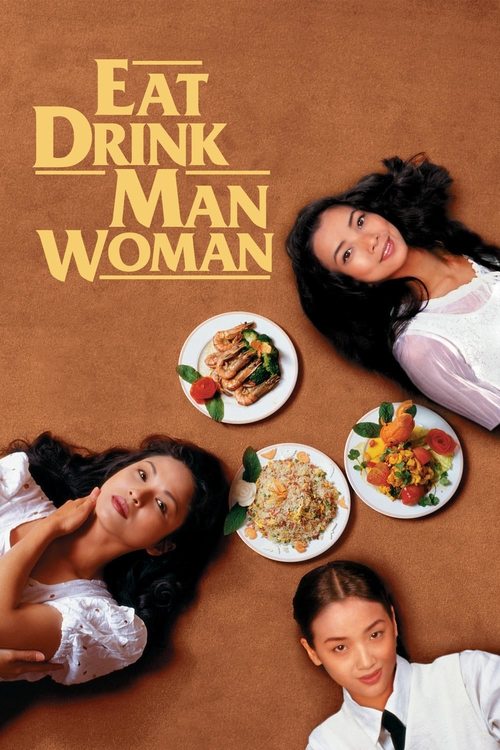
Retired and widowed Chinese master chef Chu lives in modern day Taipei, with his three attractive daughters, all of whom are unattached. Soon, each daughter encounters a new man in their lives. When these new relationships blossom, stereotypes are broken and the living situation within the family changes.
1993
1970
2000
2009
2005
1996
2001

1991
No reviews yet. Be the first to share your thoughts on this movie!
Use the rating form above to leave a star rating and optional review.