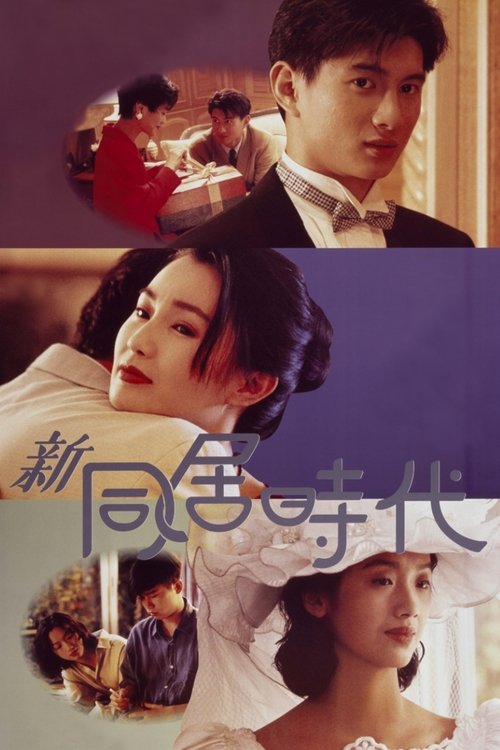
In Between
1994
No user ratings available yet
Representation score: 5.5 out of 10

Representation Score
Fair
2010
Director
Chang Tso-chi
Runtime
107 minutes
Average Rating
No ratings yetNew Showbiz Analysis
When Love Comes provides a nuanced exploration of domestic life by breaking down the traditional nuclear family structure. It replaces conventional setups with a complex household featuring multiple maternal figures and patriarchal duties. The film effectively critiques rigid traditionalism by focusing on the protagonist's journey to reconcile generational differences. It moves beyond simple melodrama into a deeper examination of systemic family roles. However, the film's scope is limited by its cultural uniformity and lack of explicit identity-based representation. It explores non-traditional structures through a traditional lens rather than through modern identity politics.
Category Breakdown
The film features a household with two mothers, which challenges the traditional nuclear family structure. However, this setup seems influenced by polygamous traditions rather than queer identity.
The story follows Laichun's emotional development as she deals with a patriarchal lineage. It shifts the focus from male-dominated traditions to a female-centric perspective emphasizing empathy and maturity.
The film is set in a culturally homogeneous East Asian environment, focusing on local familial dynamics without much racial diversity or varied casting.
The narrative highlights the integration of a second wife into the family through the consent of the first wife, critiquing the tension between traditional patriarchal institutions and communal survival.
There is no depiction of physical or neurodivergent disabilities. The narrative focuses solely on psychological and generational conflicts.
Present on Screen
Limited or Absent
Official Synopsis
Laichun, her father and two mothers, uncle and grandfather are of different generations; thus they all think differently. Father is the family head, and because he believes he must continue on the family name ends up taking two wives.
1994

2004
2013
1993

2022
1994

2004
2004
No reviews yet. Be the first to share your thoughts on this movie!
Use the rating form above to leave a star rating and optional review.