Nobody's Business
1996
No user ratings available yet
Representation score: 5.7 out of 10
Representation Score
Excellent
2004
RDirector
Mark Wexler
Runtime
95 minutes
Average Rating
No ratings yetNew Showbiz Analysis
Mark Wexler’s documentary offers a sophisticated study of identity by framing personhood as a performative act. By asking teenagers to present their 'ideal selves,' the film disrupts traditional social hierarchies and monolithic definitions of identity. The work excels at deconstructing gender and orientation, treating them as fluid spectrums rather than fixed mandates. This postmodern approach provides a significant role in driving the story to the subjects, allowing them to define themselves outside of systemic norms. However, the film's focus remains largely psychological. While it captures a multicultural landscape, it lacks deep engagement with specific racial politics or centered narratives regarding disability.
Category Breakdown
The film explores identity through the lens of adolescent experimentation. It allows subjects to perform non-traditional gender roles and orientations, treating orientation as a fluid, performative construct.
Gender is treated as a costume or persona rather than a rigid binary. The narrative highlights the friction between societal expectations and the internal desires of the subjects.
The documentary presents a diverse array of racial and ethnic identities. It functions as a microcosm of a multicultural society, avoiding a homogeneous demographic default.
The film critiques the stability of traditional social institutions. It suggests identity is a personal truth rather than a set of values dictated by religious or patriotic structures.
Specific representation of neurodivergence or physical disabilities is limited. While it touches on psychological navigation, disability is not a primary narrative driver.
Present on Screen
Limited or Absent
Official Synopsis
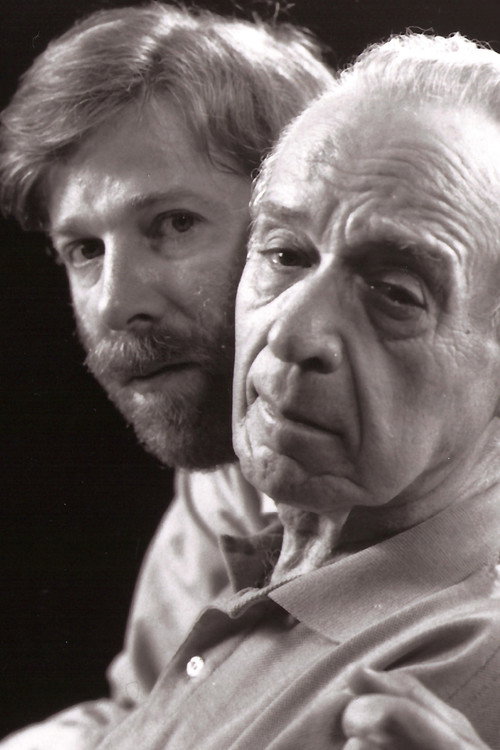
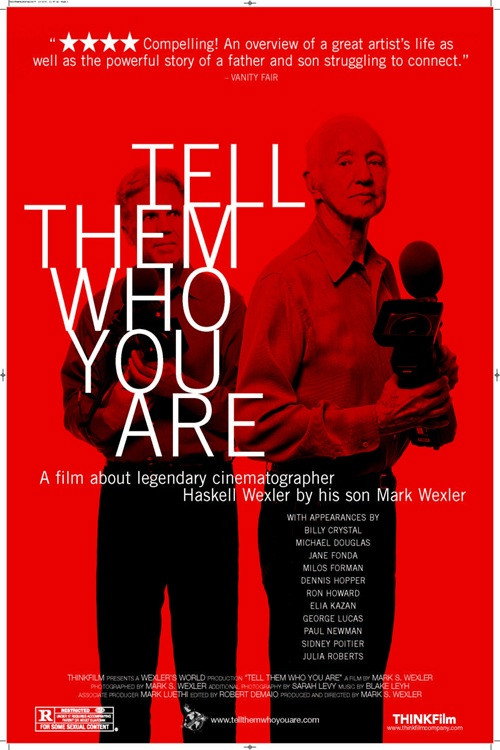
The son of acclaimed cinematographer Haskell Wexler confronts his complex father by turning the camera on him. What results is a portrait of a difficult genius and a son's path out of the shadow of a famous father.
1996
2008

1994
1999
1991

2011
2017
2002
No reviews yet. Be the first to share your thoughts on this movie!
Use the rating form above to leave a star rating and optional review.