Beneath the Blue
2010
No user ratings available yet
Diversity score: 4.7 out of 10
2011
Director
Marion Hänsel
Runtime
87 minutes
Average Rating
No ratings yetSynopsis
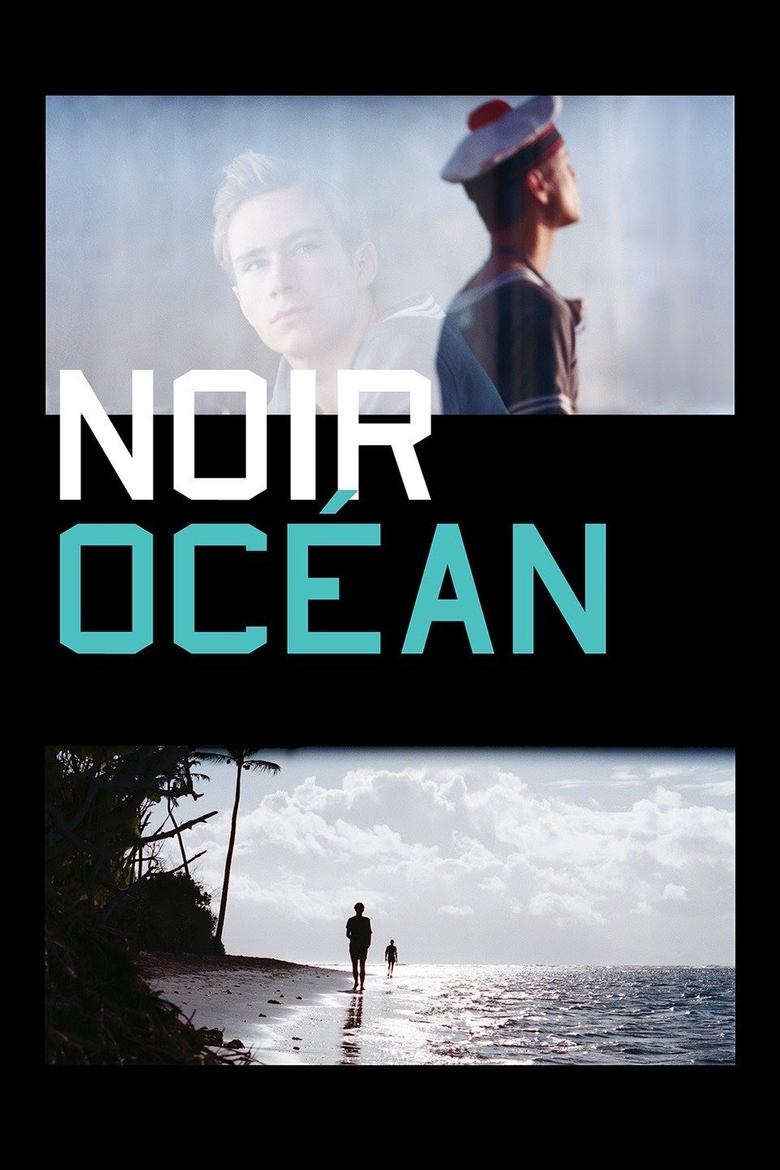
Though its aftertitles detailing the history of French nuke experiments suggest otherwise, writer/director Marion Hänsel’s Black Ocean is not a political treatise or a history lesson, instead taking advantage of the remote, isolated environments in which the experimentation took place – as well as the monumental imagery of the act itself – in order to communicate a more universal story about the power of awe. Ocean principally follows three young sailors on a French naval vessel in 1972, who are on course for an unknown destination in order to help carry out the bomb tests they’ve yet to personally witness. The film is essentially divided into two parts: before and after the blast.
Overall Score
Fair
Category Breakdown
LGBTQ+ Representation
The film offers no explicit confirmation of queer narratives or non-heteronormative identities. While the isolated setting allows for nuanced interpersonal dynamics, specific LGBTQ+ representation remains unverified.
Gender Representation
Centered on three sailors in 1972, the cast likely reflects the male-dominated naval institutions of the era. However, the focus on vulnerability and awe may challenge traditional masculine military archetypes.
Racial & Ethnic Diversity
The setting within the 1972 French Navy suggests a focus on a specific national institution. There is no evidence of a multi-ethnic cast or explorations of racial dynamics.
Religious & Cultural Diversity
The film avoids a didactic political approach, instead framing nuclear testing through universal human perception. It prioritizes individual experience over the glorification of state-driven geopolitical actions.
Disability Representation
There is no information available regarding the portrayal of physical or neurodivergent disabilities in this work.
Strengths
Areas for Improvement
AI Analysis
Black Ocean is a meditative drama that uses the historical backdrop of 1972 French nuclear testing to explore existential themes. The narrative structure, split by the blast, emphasizes the transformative power of monumental environmental shifts. While the film operates within the demographic constraints of its historical setting, it succeeds by decentering institutional objectives. It favors a subjective, psychological exploration of human response to systemic events over a traditional political treatise. Ultimately, the film's strength lies in its atmospheric storytelling and its ability to find universal human connection within extreme, isolated environments.
2010

2019
2017
2012
1984

2012
2018

1969

2021
2020
2003
2005
No reviews yet. Be the first to share your thoughts on this movie!
Use the rating form above to leave a star rating and optional review.