
Dr Jekyll and Mr Hyde
1980
No user ratings available yet
Representation score: 4.1 out of 10
Representation Score
Limited
2006
RDirector
John Carl Buechler
Runtime
89 minutes
Average Rating
No ratings yetNew Showbiz Analysis
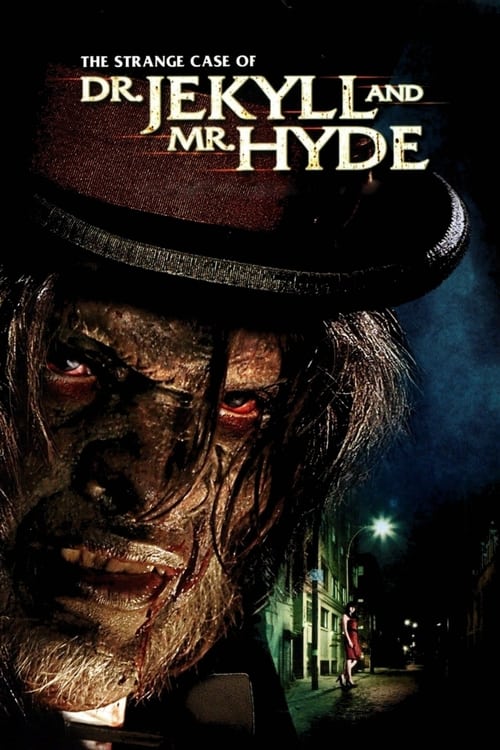
This adaptation of the classic Jekyll and Hyde tale adheres strictly to established horror clichés. The narrative focuses almost exclusively on the psychological and physical duality of a single male protagonist, leaving little room for diverse perspectives. The film reinforces traditional hierarchies. Women are relegated to the role of victims, and the social environment appears homogeneous, lacking any meaningful representation of different races or cultures. Ultimately, the movie functions as a standard genre piece. It prioritizes the 'mad scientist' archetype and traditional terror over any nuanced exploration of identity or storytelling that reflects multiple aspects of identity.
Category Breakdown
The film follows a traditional framework that assumes everyone is straight and cisgender. There are no queer narratives or non-cisgender gender identities in the story.
Female characters are primarily portrayed as victims targeted by the antagonist. This reinforces conventional roles where women are passive participants rather than active drivers of the plot.
The setting suggests a homogeneous depiction of social structures. There is no indication of diverse casting or the use of metaphors to represent different ethnic groups.
The story follows a classic Western cautionary tale about scientific overreach. It lacks narratives that challenge Western norms or provide significant cultural subversion.
The protagonist's transformation is treated as a source of horror and evil. The film uses physiological change as a plot device rather than exploring neurodivergence or disability.
Present on Screen
Limited or Absent
Official Synopsis
After successfully curing a primate's heart condition, Dr. Henry Jeckyll develops a personality-enhancing serum for himself which inadvertently creates an evil alter ego personality, Edward Hyde, who sets out to terrorize college co-eds.
1980

1924
1989
1920
1971
1960

2006
1920
No reviews yet. Be the first to share your thoughts on this movie!
Use the rating form above to leave a star rating and optional review.