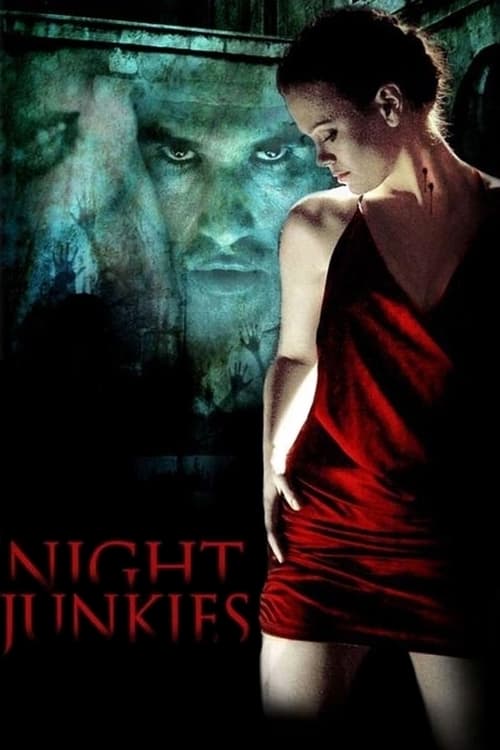
Night Junkies
2007
No user ratings available yet
Representation score: 6.0 out of 10
Representation Score
Fair
2020
Not RatedDirector
Charlie Steeds
Runtime
90 minutes
Average Rating
No ratings yetNew Showbiz Analysis
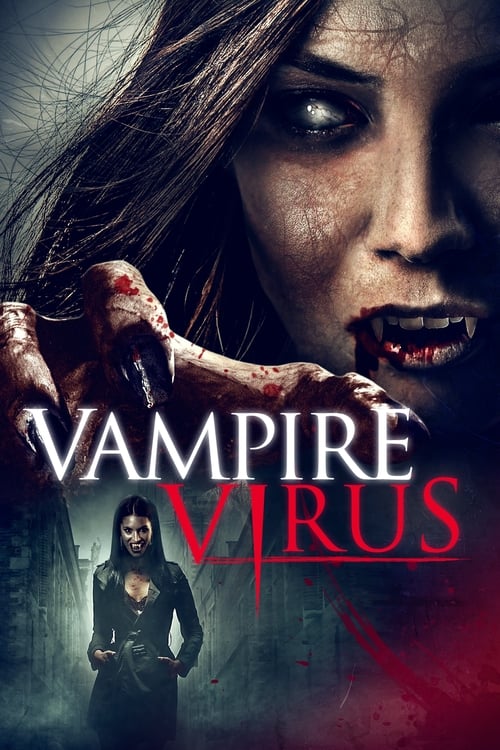
Vampire Virus functions as a visceral, genre-driven character study centered on biological transformation. The narrative prioritizes the individual experience of a female protagonist losing control over her own body. While the film challenges traditional gendered expectations of passivity, it remains rooted in traditional horror clichés. The focus is on survival and metamorphosis rather than the interrogation of systemic power or collective identity. Ultimately, the film lacks the demographic breadth and structural complexity needed to address broader social or cultural dynamics effectively.
Category Breakdown
The film's premise involves an unusual sexual encounter that triggers the protagonist's transformation. While this suggests a departure from traditional heterosexual norms, it lacks explicit exploration of queer identity or systemic issues.
The story centers on a young woman undergoing a radical physical transformation. This shift replaces traditional feminine passivity with a destructive, predatory form of autonomy and power.
There is insufficient information regarding the cast composition or ethnic diversity of the characters to provide a meaningful assessment.
The narrative focuses on a localized, individual crisis of morality. It deconstructs traditional concepts of humanity without offering a broader critique of social or Western structures.
The virus acts as a metaphor for sudden physical alteration. However, the condition serves primarily as a horror plot device rather than an exploration of lived experience.
Present on Screen
Limited or Absent
Official Synopsis
A young woman contracts a deadly virus after an unusual sexual encounter, and soon develops a taste for human blood.
2007
2009

2020

2017
2018
2008

1990

2015
No reviews yet. Be the first to share your thoughts on this movie!
Use the rating form above to leave a star rating and optional review.