The Fall
2006
No user ratings available yet
Representation score: 6.3 out of 10
Representation Score
Fair
2003
PG-13Director
Tim Burton
Runtime
125 minutes
Average Rating
No ratings yetNew Showbiz Analysis
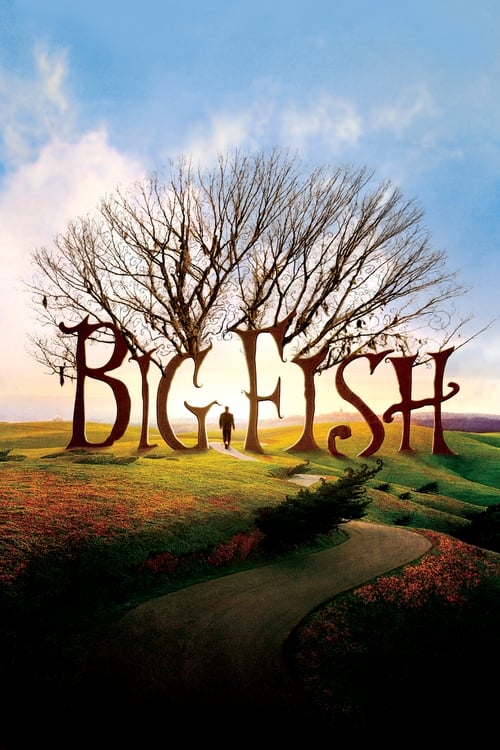
Big Fish is a postmodern metafiction that prioritizes the deconstruction of truth over the deconstruction of social identity. It uses myth to challenge the rigidity of Western empiricism and literalism. While the film's narrative structure disrupts conventional realism, its demographic composition remains largely traditional. It lacks significant representation of diverse backgrounds and does not subvert established gender and racial hierarchies. Ultimately, the film aligns with progressive storytelling values through its focus on subjective experience, even as it remains rooted in a conventional social framework.
Category Breakdown
The film operates within a framework that assumes everyone is straight or cisgender. There is no queer subtext or non-binary identities present.
The story is predominantly male-focused, emphasizing the bond between father and son. Women like Sandra provide emotional stability but primarily serve as anchors for the male protagonists.
The cast reflects the demographic realities of the American South. The narrative maintains a relatively homogeneous framework typical of mid-20th-century American mythos without prioritizing diverse representation.
The film excels at deconstructing objective truth through mythological storytelling. It celebrates individualistic American mythos and subjective experience rather than critiquing Western institutions or capitalism.
Characters like Karl the Giant represent the 'outsider' cliché through a fantastical lens. The film avoids mockery, though it focuses on the extraordinary rather than nuanced lived experiences.
Present on Screen
Limited or Absent
Official Synopsis
Throughout his life Edward Bloom has always been a man of big appetites, enormous passions and tall tales. In his later years, he remains a huge mystery to his son, William. Now, to get to know the real man, Will begins piecing together a true picture of his father from flashbacks of his amazing adventures.
2006

1999
2010
1995

2013
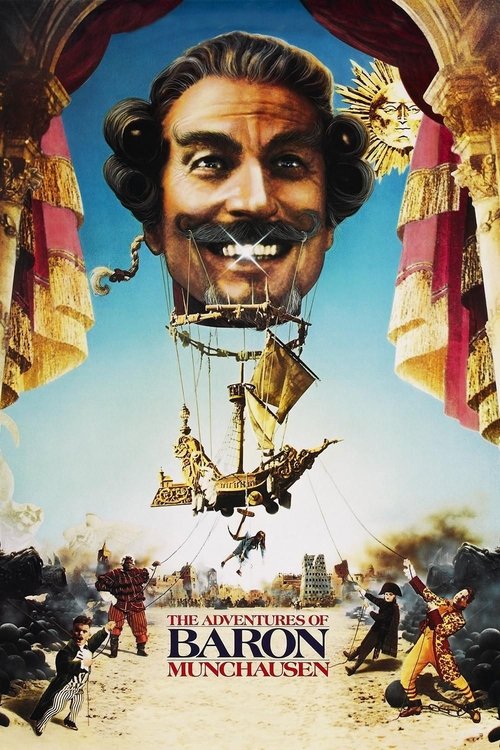
1988

2005

2018
No reviews yet. Be the first to share your thoughts on this movie!
Use the rating form above to leave a star rating and optional review.