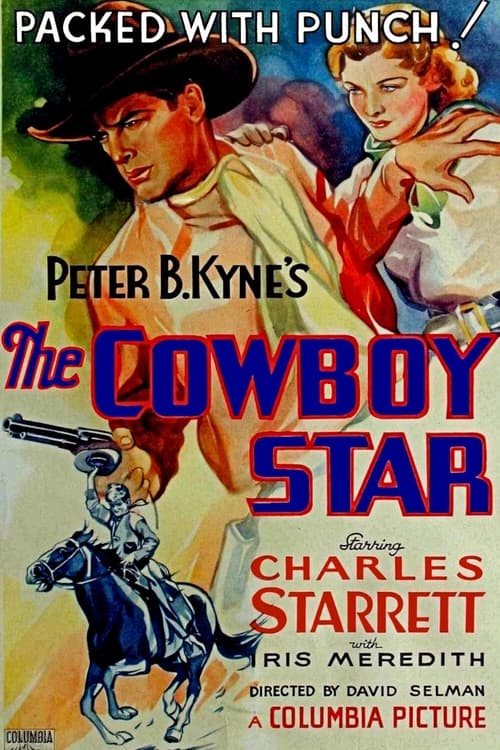
The Cowboy Star
1936
No user ratings available yet
Diversity score: 2.2 out of 10
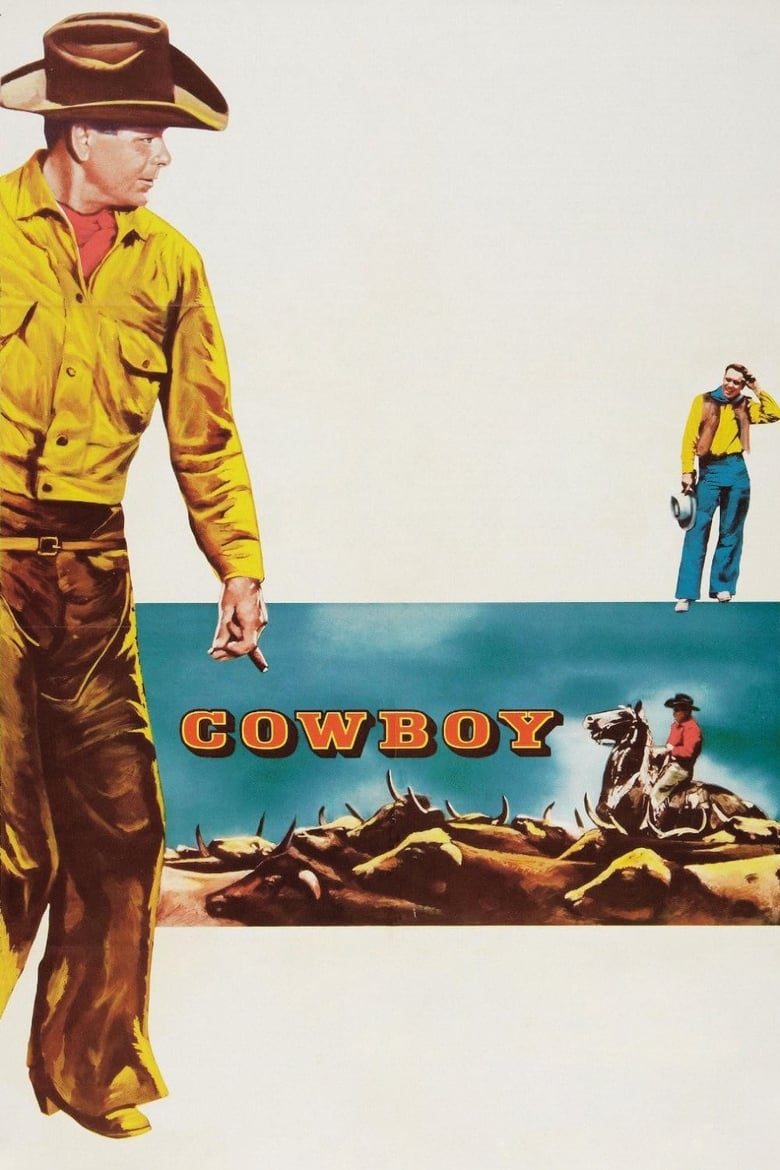
1958
NRDirector
Delmer Daves
Runtime
92 minutes
Average Rating
No ratings yetSynopsis
Chicago hotel clerk Frank Harris dreams of life as a cowboy, and he gets his chance when, jilted by the father of the woman he loves, he joins Tom Reece and his cattle-driving outfit. Soon, though, the tenderfoot finds out life on the range is neither what he expected nor what he's been looking for...
Overall Score
Limited
Category Breakdown
LGBTQ+ Representation
The film follows a strictly heteronormative structure. There is no presence of non-cisnormative identities or same-sex intimacy, focusing instead on traditional male-female romantic tension.
Gender Representation
Jane Russell provides an assertive presence, yet the film ultimately reinforces 1950s gender hierarchies. Power dynamics favor conventional masculine leadership and traditional romantic roles.
Racial & Ethnic Diversity
The cast is largely homogeneous, reflecting the era's standard for Westerns. It lacks racial blending or non-white agency, maintaining an Anglo-centric view of the frontier.
Religious & Cultural Diversity
The story emphasizes mid-century Western values like land ownership and individual agency. It avoids institutional critique, focusing instead on maintaining order within the ranching lifestyle.
Disability Representation
There are no prominent depictions of visible or invisible disabilities. Characters function within the standard physical capacities typical of Western genre protagonists.
Strengths
Areas for Improvement
AI Analysis
Cowboy is a quintessential mid-century Western that functions to reinforce established social and cultural hierarchies rather than challenge them. The narrative relies heavily on traditional genre archetypes and romantic tropes common to the Hollywood studio system of the 1950s. The film lacks intersectional complexity, presenting a homogeneous cast and a worldview centered on Anglo-centric frontier values. It prioritizes individualistic struggle and the stabilization of the male protagonist's journey over any meaningful social subversion. Ultimately, the work serves as a period-typical piece of cinema that maintains the status quo through its narrow focus on conventional masculinity and heteronormative romance.
1936
1953
1940
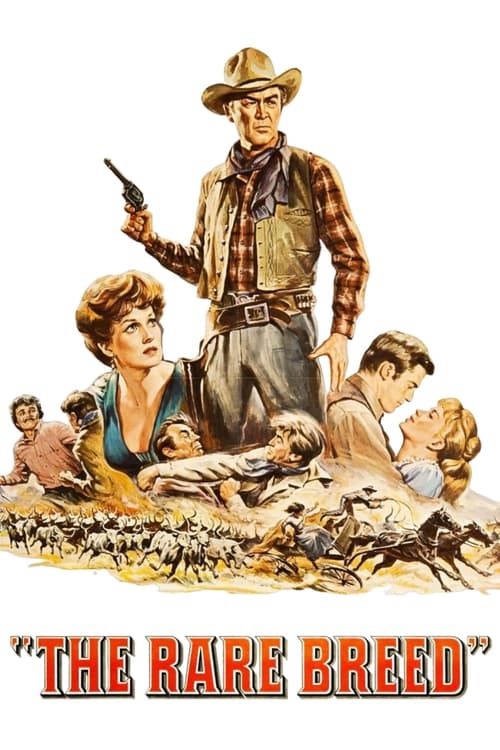
1966
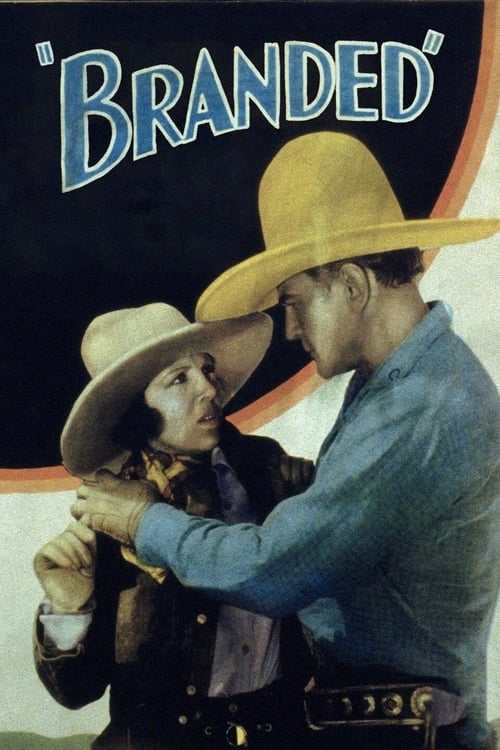
1931
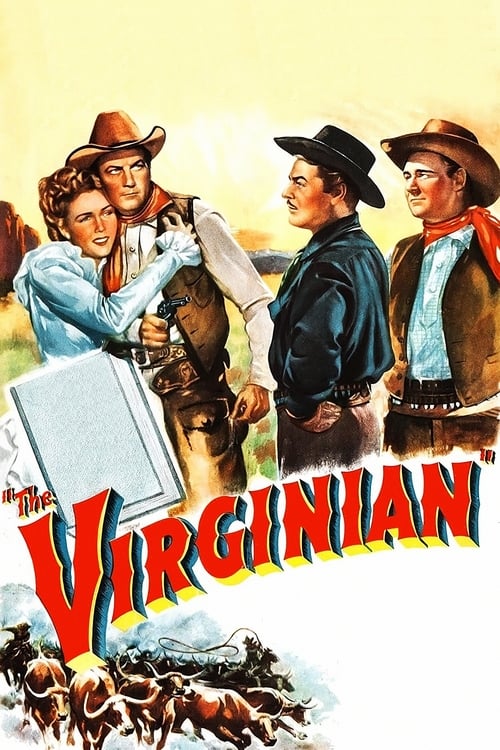
1946
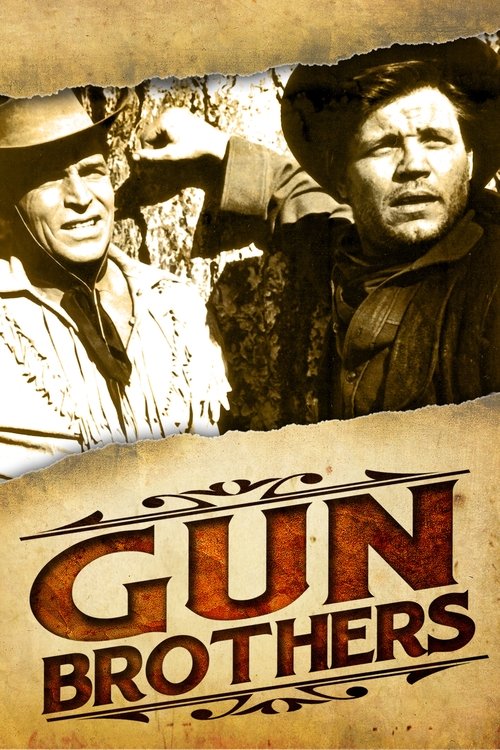
1956
1962

1956
1942
1926
1947
No reviews yet. Be the first to share your thoughts on this movie!
Use the rating form above to leave a star rating and optional review.