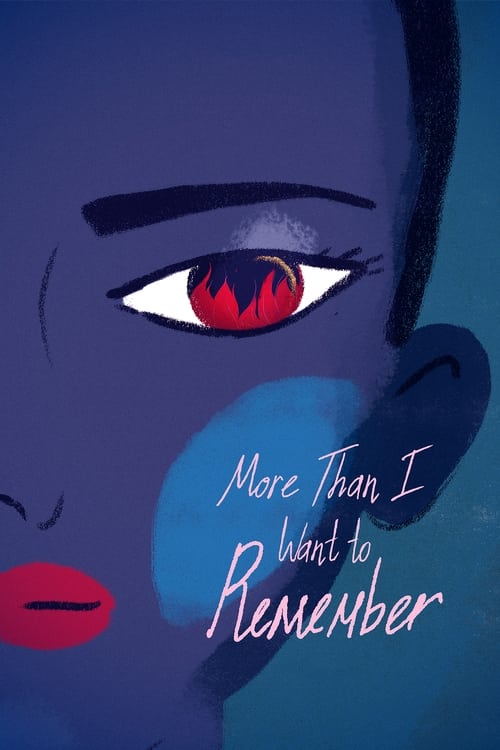
More Than I Want to Remember
2022
No user ratings available yet
Representation score: 8.7 out of 10

Representation Score
Fair
2017
Director
Amanda Kopp, Aaron Kopp
Runtime
77 minutes
Average Rating
No ratings yetNew Showbiz Analysis
Liyana is a sophisticated animated documentary that disrupts the traditional observer role by centering the ability to act of Swazi children. By allowing the subjects to drive the plot through their own fictional constructs, the film shifts power from the documentarian to the subjects. The film achieves significant depth by utilizing animation to elevate underrepresented voices. This medium allows for a nuanced exploration of resilience that exists outside of a Western lens. While the film excels in racial and cultural representation, it lacks specific data regarding LGBTQ+ or disability representation. However, its focus on local folklore and female-led mythologies provides a strong foundation for storytelling that reflects multiple aspects of identity.
Category Breakdown
The film does not provide explicit information about LGBTQ+ identities. The focus is on the survival and creative expression of orphaned children.
The story centers on a fictional heroine, highlighting female empowerment and leadership. This construction of mythology allows young girls to take on roles of strength and guidance.
The film provides high-level representation by featuring a Swazi-majority cast. It shifts the narrative focus away from Western perspectives toward the lived experiences of an African community.
The narrative prioritizes local folklore and the subjective realities of the children. It uses fiction to process trauma, avoiding traditional moralizing in favor of complexity.
There is no specific evidence regarding the portrayal of physical or neurodivergent disabilities. The film focuses on the social and psychological challenges of being an orphan.
Present on Screen
Limited or Absent
Official Synopsis
A talented group of orphaned children in Swaziland create a fictional heroine and send her on a dangerous quest.
2022
2019

2017
2015
1977
2017
2024
2016
No reviews yet. Be the first to share your thoughts on this movie!
Use the rating form above to leave a star rating and optional review.