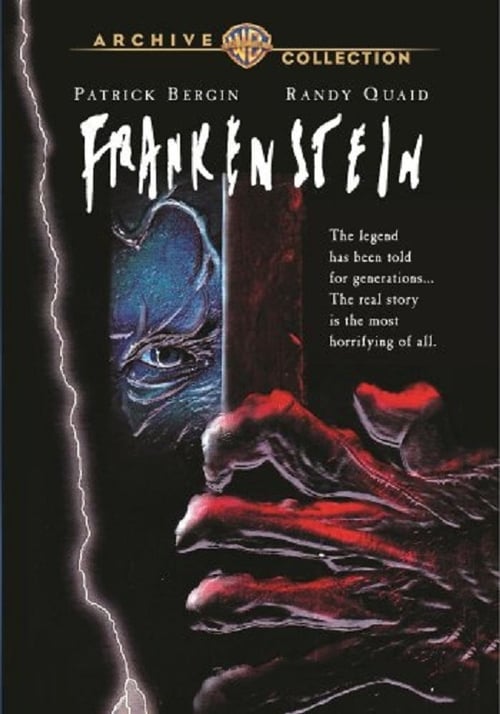
Frankenstein
1993
No user ratings available yet
Representation score: 3.4 out of 10
Representation Score
Limited
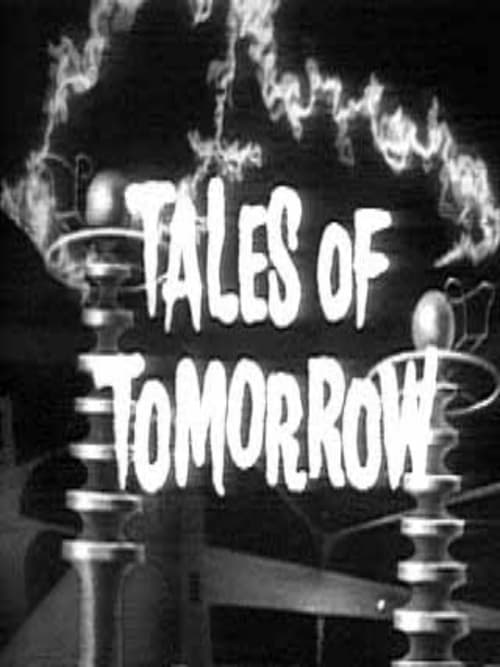
1952
TV-GDirector
Don Medford
Runtime
30 minutes
Average Rating
No ratings yetNew Showbiz Analysis
The 1952 narrative presents a conventional horror structure centered on a white, male scientist. LGBTQ+ representation is entirely absent, with the plot resolving through a heterosexual pairing. Gender roles are traditional, positioning the female lead as a moral arbiter who validates the male protagonist’s choices. Racial diversity is nonexistent, as the cast is exclusively white within a European setting. Cultural themes frame scientific ambition as a moral failure that disrupts the natural order. The resolution restores social stability by rejecting the created being in favor of human connection. Disability is depicted through the Monster’s physical difference, which is treated as a defect requiring elimination. His destruction restores normalcy, framing physical impairment as a source of horror rather than identity. The overall score reflects these consistent absences and traditional framings.
Category Breakdown
No same-sex romance or queer identity themes appear in the narrative. The story focuses strictly on the heterosexual romance between Victor and Yvonne. No LGBTQ+ characters or relationships are depicted on screen.
Yvonne serves as the moral center who rejects Victor’s hubris, affirming human connection over science. Victor drives the plot as the flawed creator, while the Monster is a passive, childlike object of pity rather than an active agent.
The cast is entirely white, reflecting the 1952 European setting. No non-white characters appear, and no racial dynamics are depicted or discussed within the isolated island context.
Scientific ambition is framed as a dangerous transgression against natural order. The film upholds conventional family values, with Yvonne’s choice of Victor over the Monster restoring social and romantic stability.
The Monster’s stitched, scarred body is treated as a source of horror and pity. His physical difference is not empowered; he is destroyed to restore order, framing disability as a defect requiring elimination.
Present on Screen
Limited or Absent
Official Synopsis
Dr. Victor Frankenstein, working in a castle on a remote Swiss island, attempts to create a perfect man but his resultant creation turns out to be a murderous beast who must be destroyed.
1993
1957
1969
1931

1968

1974
1973
1969
No reviews yet. Be the first to share your thoughts on this movie!
Use the rating form above to leave a star rating and optional review.