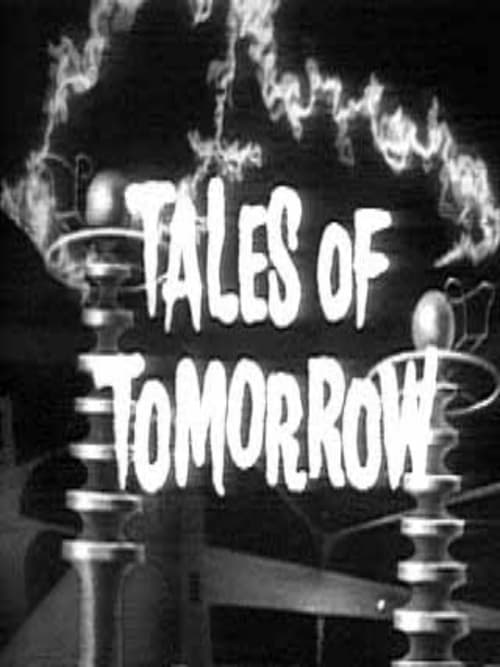
Frankenstein
1952
No user ratings available yet
Representation score: 2.4 out of 10
Representation Score
Limited
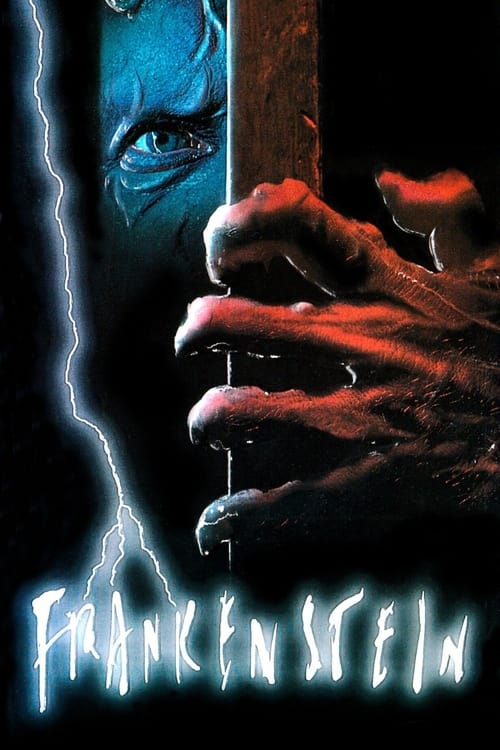
1993
Director
David Wickes
Runtime
117 minutes
Average Rating
No ratings yetNew Showbiz Analysis
This adaptation of Mary Shelley's classic remains a character-driven exploration of individual obsession. It emphasizes established Gothic clichés, particularly the contrast between creator and creation, which reinforces conventional power dynamics rather than challenges them. The film operates within the historical and social norms of its 19th-century setting. It lacks multi-layered complexity, focusing instead on a localized European scientific pursuit and a conflict between two men. Overall, the production functions as a traditional period piece. It avoids the intentional subversion of social hierarchies or the progressive reimagining of the source material.
Category Breakdown
The film follows traditional Gothic horror themes and does not include any non-binary gender identities or same-sex relationships.
Dr. Frankenstein's character focuses on his intellectual and physical influence. The story highlights power dynamics through a masculine lens of scientific mastery and a conflict between two dominant male figures.
Set in the early 19th century, the film portrays a homogeneous European society. The focus remains on a localized European scientific pursuit without diverse representation.
The narrative examines scientific arrogance and the ethics of creation. However, it does not explicitly prioritize secular viewpoints or challenge traditional Western storytelling.
The Creature embodies physical differences, often serving as a metaphor for 'the other.' There is no evidence of neurodivergent representation or real ability to act beyond being used as a horror plot device.
Present on Screen
Limited or Absent
Official Synopsis
In the early 19th century, Dr. Frankenstein discovers the secret of life – how to create a perfect man – powerful, intelligent and immune to disease. But something goes wrong in the laboratory and the doctor’s hideous creation disappears into the night. At first, Frankenstein hoped that the horrible monster would perish in the wilderness, but now he senses that it’s alive and sets out for him. Dr. Frankenstein tracks the creature to the Arctic, where the two must battle to decide who will become the master of the other’s life…or death.
1952
1957
1984
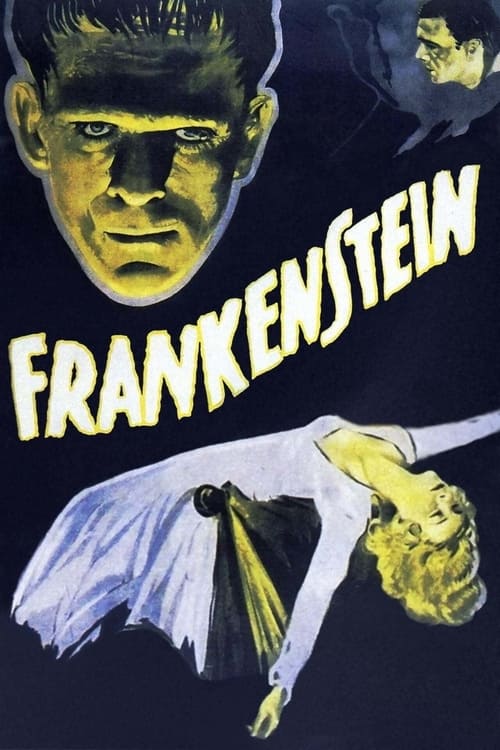
1931

1968
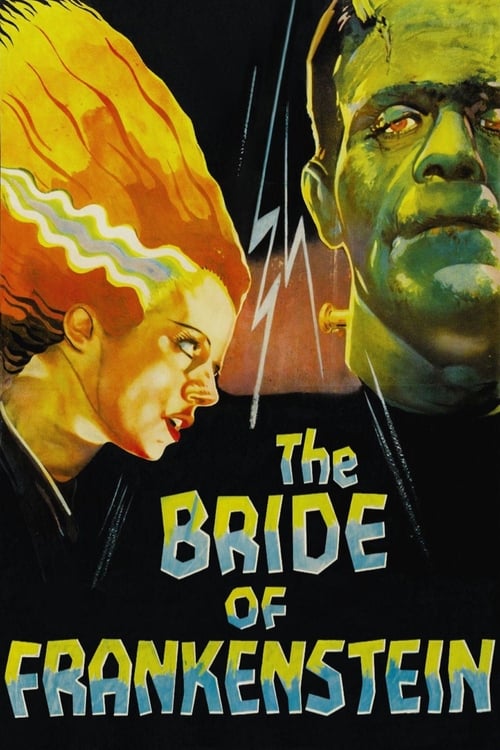
1935
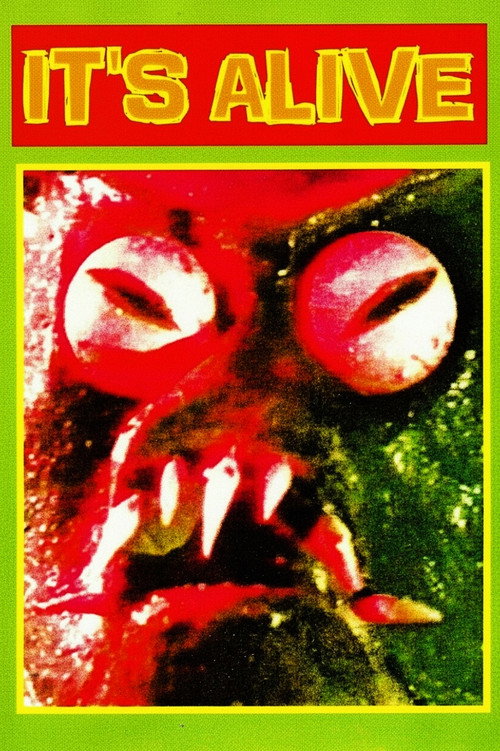
1969
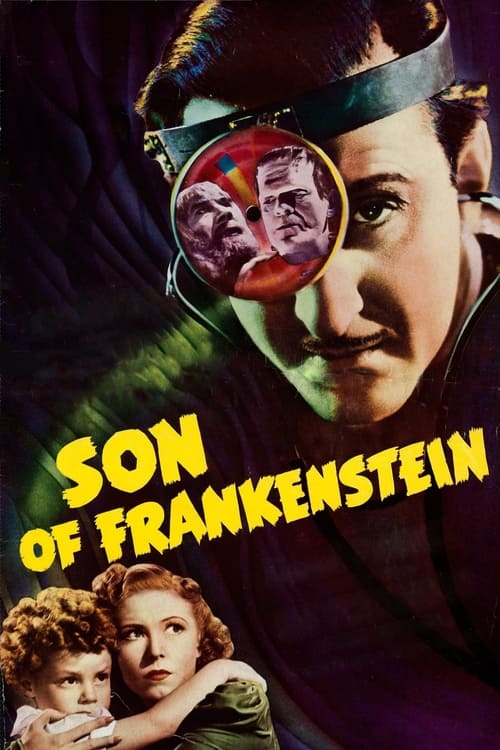
1939
No reviews yet. Be the first to share your thoughts on this movie!
Use the rating form above to leave a star rating and optional review.