
Curse of the Swamp Creature
1968
No user ratings available yet
Representation score: 2.9 out of 10
Representation Score
Minimal
1969
UnratedDirector
Larry Buchanan
Runtime
80 minutes
Average Rating
No ratings yetNew Showbiz Analysis
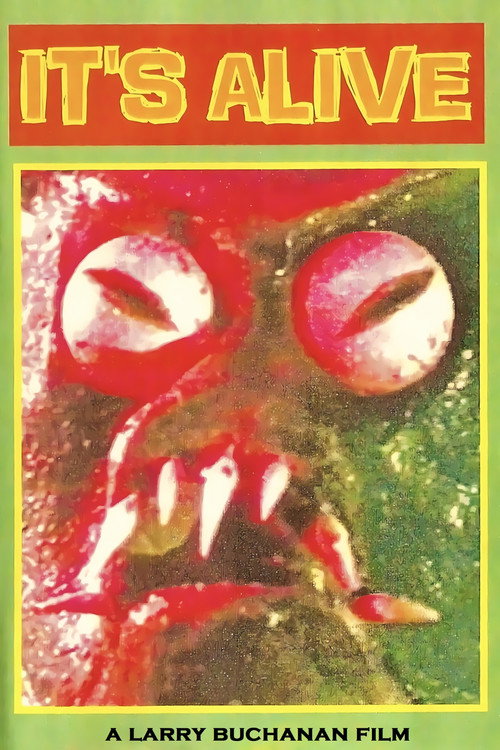
It's Alive is a typical genre piece that prioritizes established horror clichés over social complexity. The narrative structure relies on mid-century hierarchies, offering little to no representation of multiple aspects of identity. The film functions as a product of its era, focusing on the biological consequences of science rather than challenging conventional expectations of identity. It lacks intentionality regarding the disruption of Western social institutions. Ultimately, the work adheres to traditional storytelling patterns, providing a homogeneous viewing experience that avoids progressive systemic critique or diverse character's ability to drive the story.
Category Breakdown
The film does not include any LGBTQ+ characters or non-cisgender identities. It stays within the traditional social frameworks of the late 1960s.
The narrative focuses on a male scientist with female characters playing reactive or domestic roles. The film upholds mid-century gender stereotypes and traditional hierarchies.
The cast is predominantly homogeneous with no indication of intentional racial diversity. The production reflects the non-diverse cinematic norms typical of 1960s low-budget science fiction.
The story follows a conventional Western storyline centered on the ethics of scientific experimentation. It does not address anti-institutional critiques or diverse cultural perspectives.
The central creature is portrayed as a traditional horror monster rather than a nuanced depiction of disability. There are no characters with disabilities given real ability to act or lived experience.
Present on Screen
Limited or Absent
Official Synopsis
A farmer traps three people in a cave with his pet prehistoric monster.
1968
1958

1999

1967
1969
1981
2009
1985
No reviews yet. Be the first to share your thoughts on this movie!
Use the rating form above to leave a star rating and optional review.