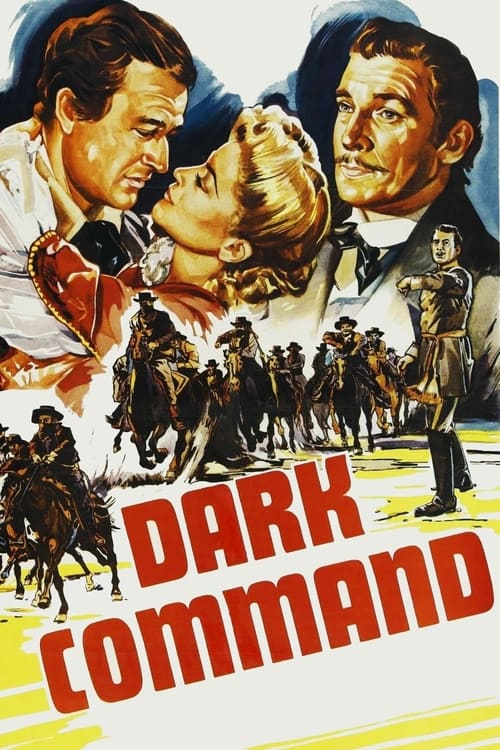
Dark Command
1940
No user ratings available yet
Diversity score: 2.1 out of 10
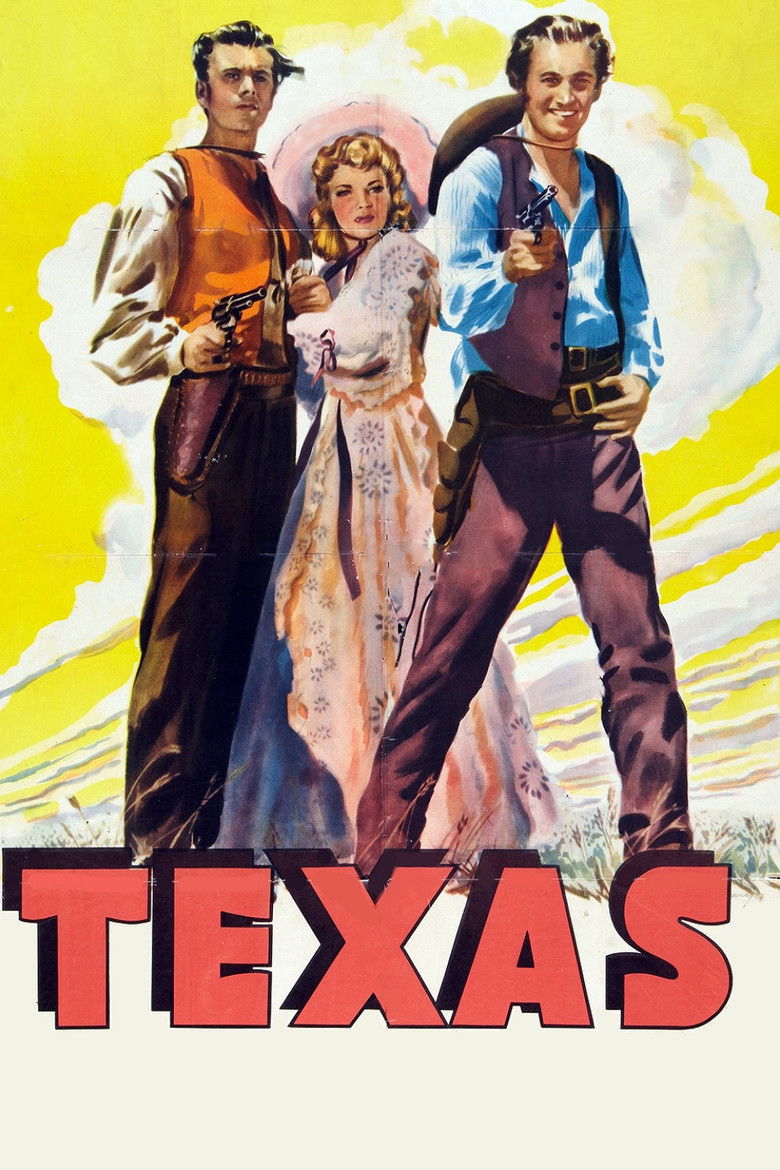
1941
NRDirector
George Marshall
Runtime
93 minutes
Average Rating
No ratings yetSynopsis
Two Virginians are heading for a new life in Texas when they witness a stagecoach being held up. They decide to rob the robbers and make off with the loot. To escape a posse, they split up and don't see each other again for a long time. When they do meet up again, they find themselves on different sides of the law. This leads to the increasing estrangement of the two men, who once thought of themselves as brothers.
Overall Score
Minimal
Category Breakdown
LGBTQ+ Representation
The film lacks any discernible presence of LGBTQ+ characters or non-heteronormative identities. The narrative focus remains strictly on traditional masculine bonds and heteronormative romantic structures.
Gender Representation
Narrative agency is concentrated almost exclusively within male characters. Female characters are positioned in supporting roles, primarily serving domestic or romantic functions, reinforcing conventional 1940s gender roles.
Racial & Ethnic Diversity
The cast is predominantly white and Anglo-Saxon. The film lacks significant minority representation, reflecting a homogeneous view of the American frontier characteristic of the era.
Religious & Cultural Diversity
The narrative leans heavily into traditional Western ideals like frontier justice. It promotes the values of the frontier settler without engaging in systemic critique or deconstruction.
Disability Representation
There is no visible or documented evidence of characters with physical or neurodivergent disabilities. Disability is not utilized as a narrative device or means of character development.
Strengths
Areas for Improvement
AI Analysis
Texas (1941) is a quintessential mid-century Western that functions within the established cinematic frameworks of its era. The story focuses on themes of frontier justice and the moral complexities of law versus outlawry through a strictly traditional lens. The film reflects the systemic social hierarchies and demographic homogeneity of early 1940s Hollywood. It prioritizes individualistic struggle and masculine bonds, offering little room for intersectional complexity or diverse perspectives. Ultimately, the production reinforces prevailing cultural norms rather than challenging them, serving as a standard genre piece that adheres to the period's social and gendered status quo.
1940
1931
1945

1923
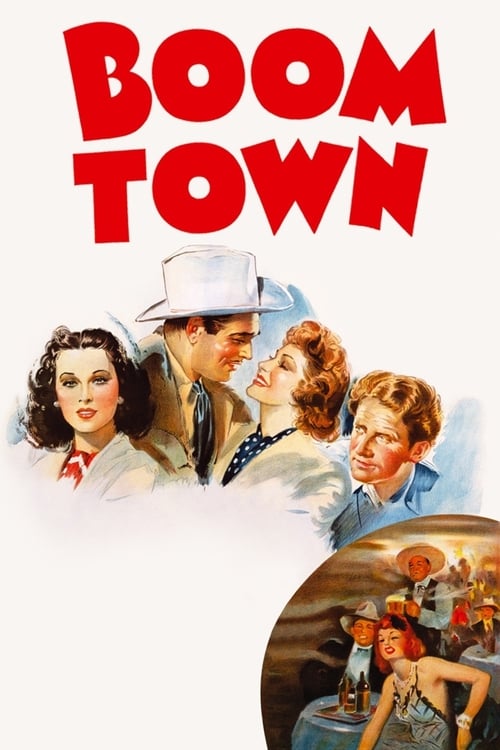
1940
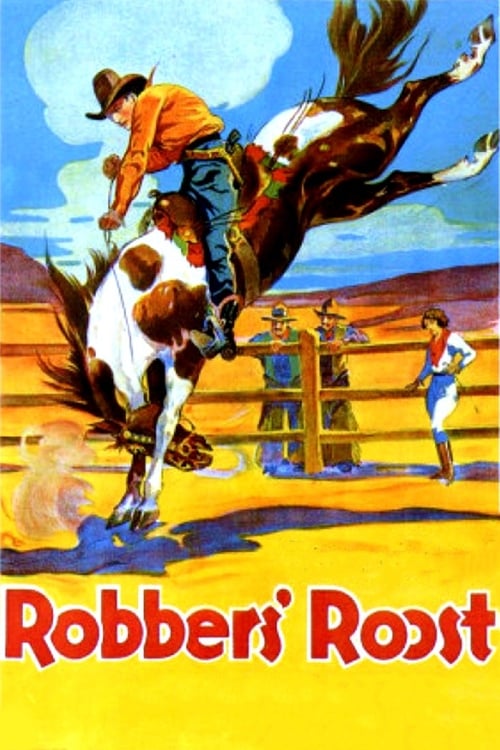
1955
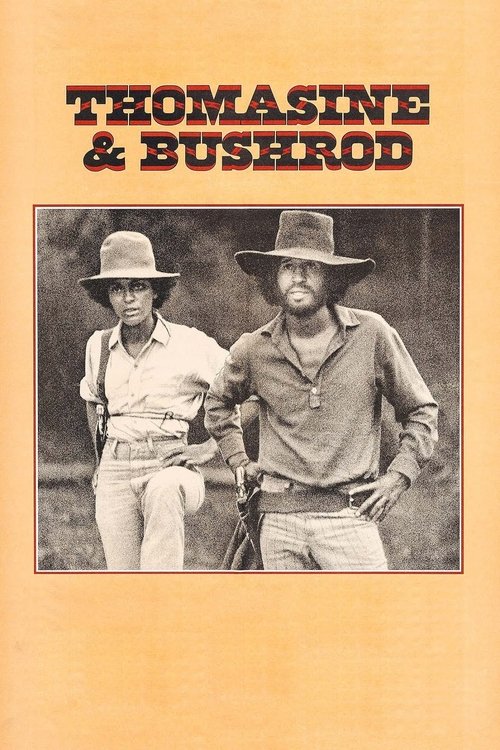
1974
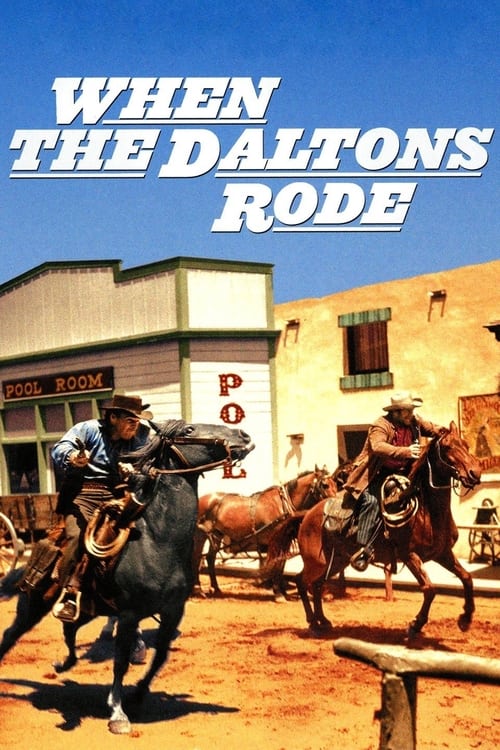
1940
No reviews yet. Be the first to share your thoughts on this movie!
Use the rating form above to leave a star rating and optional review.